Car Loan for a Private Sale Vehicle: A Canadian Buyer's Guide
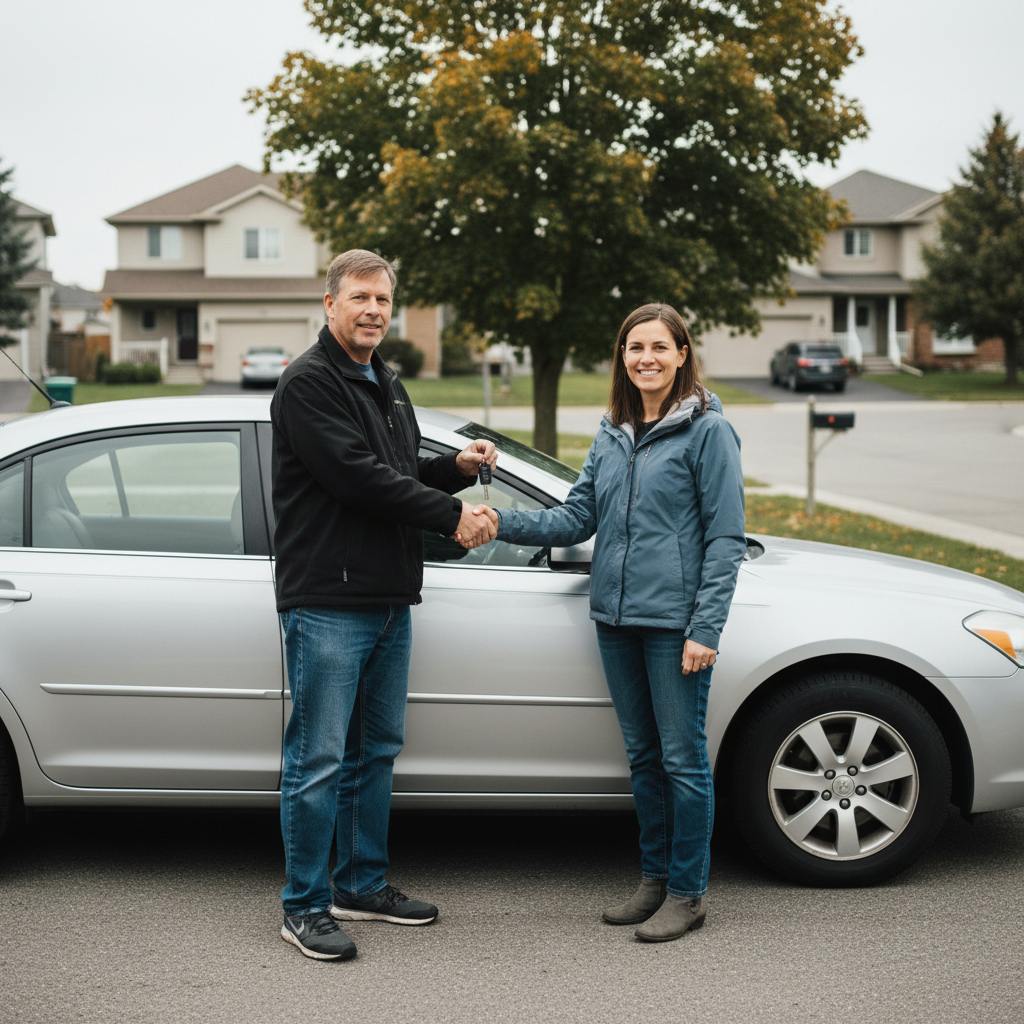
22 August 2026You found the car on Facebook Marketplace, or maybe Kijiji, or a private listing on Autotrader. The price is better than anything on a dealer lot, the seller seems straightforward, and the only problem is you don't have the cash sitting in your account. Can you still get a car loan for a private sale? Yes, but it doesn't work quite the same way as walking into a dealership's finance office, and not every lender wants the deal.
Private sale car financing is a smaller, less standardized corner of auto lending in Canada. Dealerships have finance departments that package everything for the lender: the bill of sale, the safety inspection, sometimes the appraisal. Buy from a private seller and that packaging disappears. You're the one pulling the paperwork together, and the lender has to trust that the vehicle actually exists, is worth what you're paying, and doesn't come with a lien attached from a loan the seller never finished paying off.
How Private-Sale Financing Differs From Dealership Financing
At a dealership, the vehicle has usually already been through a safety inspection, the dealer handles the transfer paperwork, and the lender is dealing with a licensed, bonded business rather than a stranger with a Facebook profile. That built-in structure is a big part of why dealership financing is the default path for most buyers.
A private sale strips a lot of that away. You'll typically need to arrange your own safety inspection (mandatory in most provinces before you can register the vehicle), get a proper bill of sale signed by the seller, and in many cases provide proof that no one else has a legal claim on the car. Some lenders also want a professional appraisal to confirm the asking price is reasonable, especially on older or higher-value vehicles. None of this is impossible. It's just extra legwork that a dealership would normally have done for you.
There's also the matter of timing. Private sellers usually aren't willing to wait around for two or three weeks while financing gets sorted out the way a dealership can. If you're serious about a private listing, it helps to have your financing lined up, or at least a lender identified, before you start seriously negotiating.
Not Every Lender Finances Private Sales
This is the part that catches a lot of buyers off guard. Plenty of lenders in Canada, including some major banks and captive finance companies, will only fund vehicles purchased through a licensed dealer. It's a risk decision on their end. A dealership provides a paper trail, a business licence, and often a warranty on the paperwork itself. A private seller doesn't offer any of that structure, so some institutions simply opt out of the private-sale market entirely.
That doesn't mean private sale car financing is unavailable. Credit unions, some non-bank lenders, and brokers who work across a wider panel of lenders are generally more open to it, though terms and requirements vary a lot from one lender to the next. Some will finance private sales only for newer vehicles under a certain mileage. Others cap the loan-to-value ratio lower than they would for a dealer purchase, which means you might need a bigger down payment. A few require the vehicle to be appraised by an independent, licensed appraiser before they'll approve anything.
The practical upshot: finding a car loan for private sale vehicles takes more comparison shopping than financing a dealer purchase does. A lender that happily financed your last car from a dealership might turn around and decline the same model bought privately.
Documents and Steps for Financing a Car Bought Privately
The process generally follows a similar order across lenders, even if the exact document list shifts a bit:
Start with the vehicle itself. Before you commit to anything, run a VIN check through a service like a vehicle history report to confirm the car hasn't been in a major accident, isn't branded salvage, and doesn't have a lien registered against it. Lenders will often want to see this too, or they'll run their own version of it as part of underwriting.
Next comes the bill of sale. This should list the seller's full legal name, your name, the VIN, the purchase price, the date, and both signatures. It's a simple document but lenders treat it as the backbone of the deal, since it's the closest thing to a contract that exists in a private transaction.
You'll also need a safety inspection in most provinces, arranged through a licensed mechanic, along with proof of insurance before the vehicle can be registered in your name. Some lenders ask for an independent appraisal separate from the safety check, particularly if the asking price seems out of step with market value for that year and trim.
On the financial side, expect the same core paperwork you'd need for any auto loan application. Auto Lending Canada has a full rundown of the documents you'll need to apply for an auto loan, and most of that list applies here too: proof of income, ID, proof of residence, and banking information. The difference with a private sale is that all of this gets bundled with the vehicle-specific paperwork rather than handled by a dealer's F&I office.
Once the lender approves the loan, the funds are typically issued directly to the seller (or sometimes to you, then passed along), and the ownership transfer happens through your provincial registry, along with any applicable sales tax.
Red Flags Worth Checking Before You Hand Over Any Money
Private sales carry more buyer risk than dealership purchases, and it's worth being a bit careful. A few things are worth confirming before you get attached to a specific vehicle.
First, make sure the seller is actually the registered owner. Ask to see the vehicle registration and check that the name matches their ID. It sounds obvious, but it's one of the most common issues in private-sale disputes: someone selling a car that isn't fully theirs to sell, whether that's a family member's vehicle or one still tied up in a separated couple's finances.
Second, confirm there's no outstanding lien. If the seller still owes money on the vehicle, the lender holding that loan has a legal claim on it until it's paid off, regardless of what a bill of sale says. A lien search (sometimes bundled into a vehicle history report, sometimes done separately through your provincial registry or a service like CarProof/Carfax Canada) will tell you if there's a registered security interest against the VIN. Skipping this step is how buyers end up financing a car that technically belongs to someone else's bank.
Third, get everything in writing. A text message agreeing on a price isn't a bill of sale. If the seller is hesitant to put the deal on paper, that's worth paying attention to.
If you're the one selling a vehicle privately rather than buying, it's worth understanding this process from the other side too. Auto Lending Canada's guide on how to sell your car in Canada covers what documentation sellers should have ready, which helps explain why a well-prepared seller makes the financing side of a private sale go a lot more smoothly.
How Auto Lending Canada Can Help
Because not every lender finances private sales, and the ones that do apply different rules around appraisals, mileage limits, and down payments, it can take a fair amount of calling around to figure out who will actually approve your specific vehicle. This is where working with a broker tends to save time. Auto Lending Canada compares options across a network of lenders rather than representing just one institution, so if your bank says no to a private-sale purchase, that isn't necessarily the end of the road. For a broader look at how that process works, see our guide on what a car loan broker does in Canada.
To be clear about what this means in practice: working with a broker doesn't guarantee approval, and it won't change your credit history or income. What it does is widen the pool of lenders looking at your application, including ones that are set up to handle the extra paperwork a private sale involves, rather than limiting you to whichever single lender your bank happens to work with.
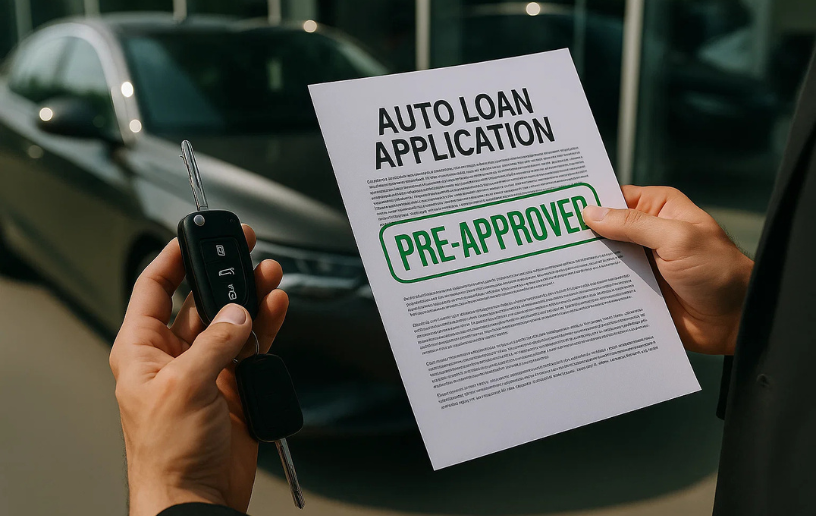
If you've found a vehicle through a private sale and want to see what financing looks like for your situation, you can get pre-approved with Auto Lending Canada and find out which lenders are open to financing that specific purchase before you commit to anything with the seller.