
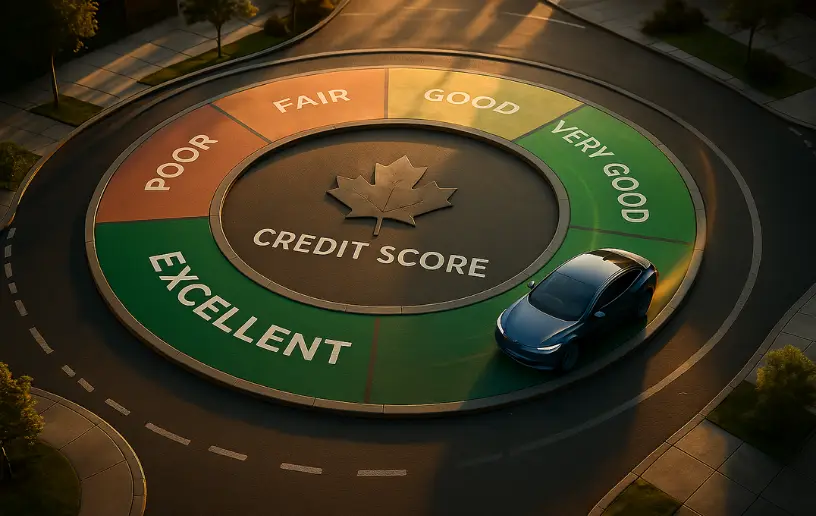
What is A Good Credit Score in Canada: Ranges, Ratings & Tips
15 October 2025When it comes to managing your finances in Canada, few numbers matter as much as your credit score. Whether you’re applying for a car lease, credit card, mortgage, or personal loan, your credit score determines how lenders see you — reliable or risky.
So, what is a good credit score in Canada? How high does it need to be to qualify for major financial products? And how can you improve if it’s not where you want it?
This guide explains what counts as good credit, the Equifax and TransUnion credit score ranges in Canada, and practical habits to help you build and maintain an excellent rating.
What is a Credit Score in Canada?
A credit score is a three-digit number that reflects your creditworthiness—in simple terms, how likely you are to repay borrowed money.
In Canada, your credit score usually ranges from 300 to 900. Both Equifax and TransUnion, the two major credit bureaus in Canada, calculate your score from your credit report using factors such as payment history, outstanding balances, account age, and more.
Credit Score Ranges in Canada (Equifax & TransUnion)
Here’s how the credit score ranges in Canada typically break down:
| Score Range | Rating | What It Means |
| 760–900 | Excellent Credit | You’ll qualify for the best rates and offers. Lenders view you as very low risk. |
| 725–759 | Very Good Credit | Solid track record; lenders see you as a reliable borrower. |
| 660–724 | Good Credit | Average to good; you’ll likely qualify for most loans and leases. |
| 600–659 | Fair Credit | Below average; you may face higher interest rates or tighter approvals. |
| 300–599 | Poor Credit | Risky zone; loan approvals are challenging without rebuilding credit first. |
According to Equifax Canada, a score between 660 and 724 is considered “good,” while anything above 760 is “excellent.” The best Equifax credit score you can have is 900, the highest possible credit score in Canada.
What Is a Good Credit Score in Canada?
If you’re asking “what is a good credit score in Canada?” — the practical answer is 700 or higher.
Most banks and auto finance companies see 700+ as a strong benchmark for “good” credit. A score in this range typically ensures access to competitive interest rates and smoother approvals.
Here’s what different credit score levels mean in real life:
- 700–749 (Good Credit): You’ll qualify for most loans and car leases, though luxury lending products might still check deeper history.
- 750–799 (Very Good Credit): You’ll be offered some of the lowest rates, and pre-approval processes are usually easier.
- 800+ (Excellent Credit): You have premium credit. This often unlocks the best rewards cards, top-tier mortgage offers, and zero-down lease approvals.
Having a good credit score in Canada signals stability, trust, and reliability — qualities lenders love.
What Counts as Good Credit in Canada (and Why It Matters)
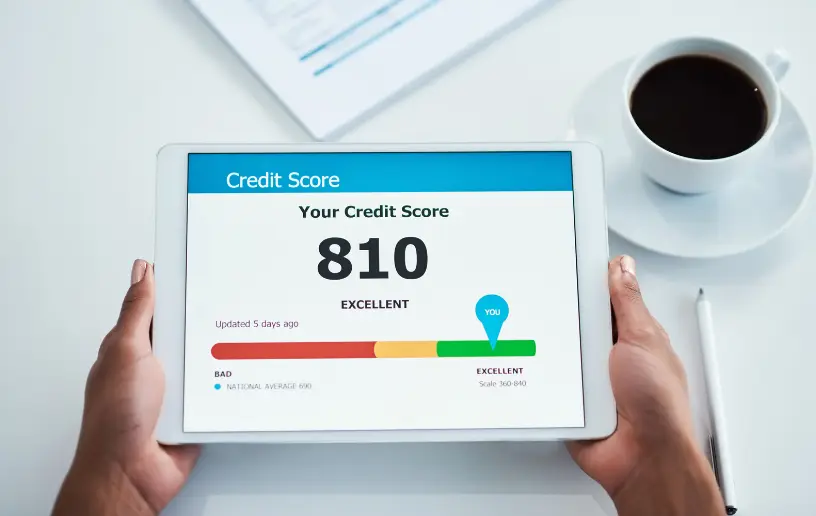
Good credit is about consistency and financial responsibility. When lenders evaluate you, they look beyond the score to your credit history, how you’ve managed credit cards, loans, and payment timelines. Some important things to ensure are:-
- Making all payments on time
- Keeping credit utilization below 30%
- Avoiding excessive loan or credit card applications
- Maintaining long-standing accounts
- Managing both revolving credit (cards) and installment loans (car or personal loans) responsibly
These habits show lenders that you handle debt wisely, leading to a good credit rating.
Equifax vs. TransUnion: What’s considered “Good” Credit
Both credit bureaus use similar scoring scales (300–900), but their calculation models vary slightly.
- Equifax Good Credit Score: 660–724
- TransUnion Good Credit Score: 661–780
While your score may differ slightly between bureaus, lenders usually reference one or both when making credit decisions.
The Equifax score range in Canada defines “excellent” as anything above 760, and TransUnion does the same above 780. So, if you’re aiming for “good,” staying above 700 ensures safety across all bureaus.
Why your Credit Score matters (rates, approvals, and more)
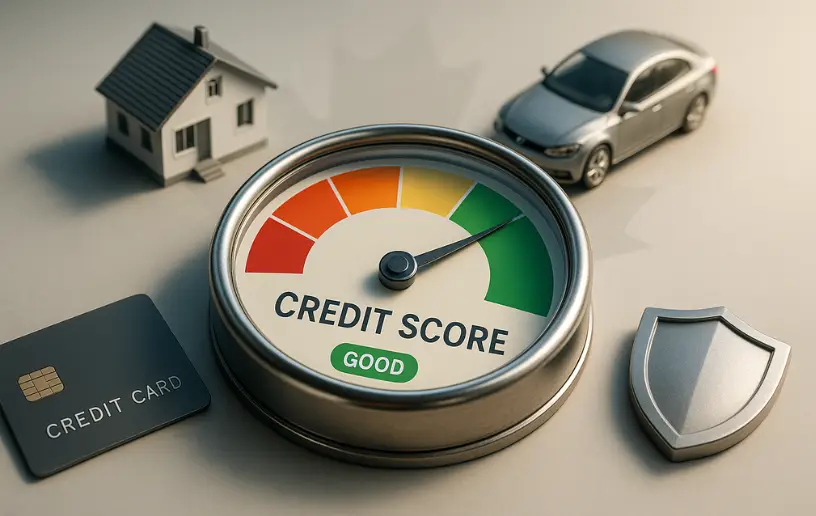
Your credit score doesn’t just affect whether you get approved for a loan. It impacts how much that loan costs you.
- Car Leasing: With good credit (700+), you may qualify for lower money factors and zero-down lease offers. See the Minimum Credit Score to Apply for a Car Loan in Canada that influences auto leases.
- Mortgages: Strong credit can save thousands in interest over the life of a mortgage.
- Credit Cards: Premium cards often require high scores for approval and access to top-tier rewards.
- Insurance Rates: Some insurers use credit-based scoring to estimate risk.
- Rental Agreements: Landlords often check your credit before approving tenancy.
Your credit and credit score are essentially your financial resume, proof that you manage money responsibly.
What Is a Great or Excellent Credit Score?
Many Canadians ask, “What is a great credit score?” or “Is 760 a good credit score?”
Here’s the breakdown:
- 760–900: Excellent credit score.
- 720–759: Very good credit score.
- 660–719: Good, stable, average credit.
So yes, a credit score of 760 is considered excellent, and 720 is a good credit score by Canadian standards.
If your score falls in this range, you’re in the top third of Canadian credit holders and qualify for some of the most competitive financial products available.
What’s considered Bad or Poor Credit Score in Canada?
Just as lenders reward good behaviour, they flag financial instability with lower scores. A credit score below 600 is generally viewed as poor credit. This doesn’t mean you can’t recover. It simply means lenders will treat you as a higher risk until you rebuild your credit history.
Common reasons for poor credit include:
- Missed or late payments
- High credit utilization
- Frequent credit applications
- Defaults, charge-offs, or bankruptcies
Rebuilding bad credit starts with consistency, on-time payments, low balances, and patience.
5 Main Factors Affecting Your Credit Score
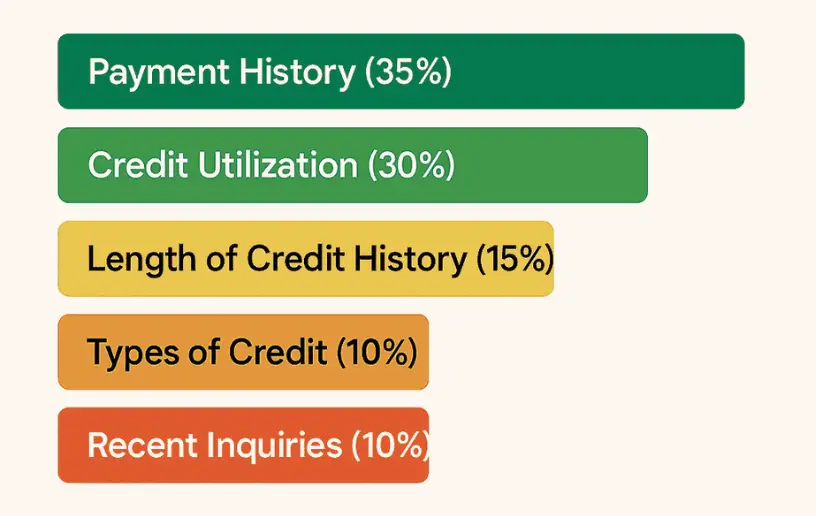
Your credit score is calculated based on these main elements:
Payment History (35%)
- Missed or late payments have the biggest impact.
- One 30-day delinquency can drop your score by 50+ points.
Credit Utilization (30%)
- The ratio of credit used to total available credit.
- Keep usage below 30% for best results.
Length of Credit History (15%)
- Older accounts strengthen your profile. Don’t close your oldest cards.
Types of Credit (10%)
- Mix of credit cards, car loans, and lines of credit.
Recent Inquiries (10%)
- Multiple new applications signal risk to lenders.
Together, these shape your credit score for good credit and your overall credit rating in Canada.
How to Check Your Credit Score in Canada
You can access your credit report and credit score in Canada through several reliable channels. Understanding how to check your score is the first step toward improving your credit rating over time. Here’s how Canadians can see their credit score safely and for free.
1. Through Canada’s Two Major Credit Bureaus
Canada has two main credit reporting agencies: Equifax and TransUnion. Each bureau maintains its own version of your credit report and calculates your credit score using slightly different models.
- Equifax Canada – You can request a free credit report by mail or access your Equifax credit score range through their online portal. Paid versions offer ongoing monitoring, alerts, and detailed insights into your score changes.
- TransUnion Canada – Similar to Equifax, you can obtain your free TransUnion credit report once a year. They also provide tools that help you track your score trends over time.
These agencies calculate your score on a scale of 300 to 900; the higher the number, the stronger your credit rating.
2. Through Free Online Platforms
In recent years, several fintech companies have made it easier than ever to check your score digitally, often without affecting your rating.
Popular options include:
- Borrowell – One of the most popular tools for Canadians. It provides your Equifax credit score for free and offers tailored tips on how to improve your credit score in Canada.
- Credit Karma Canada – Offers your TransUnion credit score and reports, along with recommendations for credit cards and loans suited to your profile.
- ClearScore – These are newer platforms that combine free credit monitoring with identity protection.
All these platforms provide free credit score checks and educational tools in Canada, ideal if you are just beginning to understand how credit scores and ratings work.
3. Through Your Bank or Credit Card Provider
Many major banks in Canada, including RBC, Scotiabank, and CIBC, now offer free monthly credit score updates within their mobile apps. These are soft checks (they don’t affect your score).
If you’re managing multiple cards, this is a convenient way to track how your score fluctuates after new applications, payments, or balance changes.
Practical Steps to Improve Your Credit Score
A strong credit score doesn’t just happen overnight; it’s built through consistent, responsible behaviour. Whether you’re aiming for a good credit rating or pushing toward an excellent credit score in Canada, the strategies below can help.
1. Always Pay on Time
Your payment history carries the most weight (about 35%) in your credit score calculation. Even a single missed payment can dent your credit rating significantly. Setting up reminders or automatic payments ensures you never miss a due date.
2. Keep Credit Utilization Low
Your credit utilization ratio – the portion of available credit you actually use should stay below 30%. For example, if your total credit limit is $10,000, try not to owe more than $3,000 at a time. Lower utilization signals that you’re managing your credit wisely.
3. Limit New Credit Applications
Each time you apply for a loan or credit card, the lender performs a hard inquiry, which can temporarily lower your credit score. Apply only when necessary, and space out applications.
4. Keep Old Accounts Open
Older credit accounts lengthen your credit history, which helps boost your score. If you’re tempted to close an unused credit card, consider keeping it open with occasional small charges that you pay off monthly.
5. Diversify Your Credit Mix
Having both revolving credit (credit cards, lines of credit) and installment credit (auto loans, student loans, or mortgages) can strengthen your overall credit profile. Lenders see diversity as proof that you can handle different credit types responsibly.
6. Check for Errors Regularly
Review your credit report at least once a year. Mistakes like duplicate accounts or incorrect late payments can unfairly harm your credit rating in Canada. If you spot an error, dispute it directly with Equifax Canada or TransUnion.
What Credit Score Do You Need for Common Goals?
Your credit score range in Canada impacts different areas of your financial life. Here’s how various lenders typically view your score:
| Purpose | Minimum Credit Score Required | Ideal Credit Score |
| Auto Loan or Car Lease | 620 | 700+ |
| Mortgage Approval | 660 | 720+ |
| Credit Card (Standard) | 650 | 700+ |
| Credit Card (Premium/Rewards) | 700 | 760+ |
| Personal Loan | 660 | 725+ |
| Business Loan | 680 | 750+ |
If you’re looking to finance a vehicle, Auto Lending Canada reviews your credit rating to determine eligibility. Even if your score is below average, flexible programs exist to help you qualify and rebuild.
To understand how your credit score affects auto leasing specifically, check out A Comprehensive Guide to Car Leasing in Canada.
How to Increase Credit Score Faster
If you’re wondering how to increase your credit score fast, here are short-term actions that can yield noticeable improvements within months:
Reduce outstanding balances
Paying off revolving credit lines can improve your credit utilization ratio almost immediately.
Make multiple small payments
Instead of one big payment, pay down credit cards bi-weekly. This keeps reported balances low.
Become an authorized user
If a family member with strong credit adds you to their card, it can strengthen your credit history.
Use secured credit cards
For those with limited or poor credit, secured cards report positive payment history and rebuild trust.
Avoid unnecessary credit pulls
Space out applications for loans or new cards by at least 3–6 months.
Consistency is key. Improving your credit rating in Canada is about smart habits over time, not quick fixes.
How Long Does It Take to Build Good Credit?
Building good credit isn’t instant. It’s the result of consistent financial behaviour over time. If you’re starting from scratch, it usually takes six months to a year to generate your first score, since lenders need enough data to evaluate your credit habits.
If you’re rebuilding from a poor credit score, expect meaningful improvement within 12 to 24 months of disciplined management. That includes paying bills on time, reducing credit card balances, and limiting new credit applications.
Those aiming for an excellent credit score in Canada (760 or higher) might need several years of steady history, but once you get there, maintaining it becomes much easier.
The key is patience. Your credit score is like a marathon, not a sprint. Each month of good behaviour strengthens your credit profile and moves you closer to your financial goals.
The Long-Term Benefits of a Good Credit Score
A good credit score in Canada is a financial advantage that touches almost every part of your life. Here’s what happens when your credit rating improves:
- Lower interest rates: With excellent credit, you pay less for loans, credit cards, and mortgages. Over time, this saves you thousands.
- Higher approval odds: You’ll find it easier to qualify for car leases, rental agreements, or even cell phone plans.
- Better insurance terms: Some insurers offer discounts to customers with strong credit profiles.
- Access to premium products: Many rewards credit cards, travel cards, and lines of credit are available only to borrowers with good or excellent credit.
- Negotiation power: A good score strengthens your position when negotiating financing or lease terms.
Summing up, maintaining good credit gives you financial freedom and peace of mind.
What Happens If Your Credit Score Drops?
Even the best borrowers see temporary dips in their credit scores from time to time. A drop doesn’t necessarily mean you’ve done something wrong; it could be due to small shifts in your financial data.
Common reasons for a score decrease include:
- A new loan or credit card application (hard inquiry)
- Increased credit card utilization
- Missed or late payment
- Closing an old account (shortens your credit history)
If your score drops, don’t panic. Review your credit report from Equifax or TransUnion, identify what changed, and focus on improving the next cycle. With steady payments and controlled balances, your score will rebound naturally.
Good Credit vs. Excellent Credit: What’s the Real Difference?
Many Canadians ask whether it’s worth pushing from good to excellent credit. The truth? It depends on your goals.
- Good Credit (660–724): You’ll qualify for most standard loans, leases, and credit cards.
- Excellent Credit (760+): You’ll access lower interest rates, premium products, and zero-down offers.
If you’re leasing a car, financing a home, or applying for a line of credit, having excellent credit could mean paying thousands less in interest over time.
However, once you’re in the good-to-very-good range, your focus should shift from chasing perfection to maintaining stability. Regular payments, low balances, and responsible borrowing are the real keys to success.
What Credit Score you need to Lease or Finance A Car
At Auto Lending Canada, we often see customers asking, “What credit score do I need to lease or finance a car?”
Here’s the simple answer:
A credit score of 620 or higher generally qualifies for standard financing and leasing options. If your score is 700+, you’ll usually access better rates, lower security deposits, and a wider choice of vehicles.
For customers with poor or fair credit, don’t worry, leasing is still possible. Many lenders, including banks and financial institutions under Auto Lending Canada’s network, offer flexible approval programs that help you build your credit while enjoying a new vehicle.
Real Example: How a Good Credit Score Saves You Money
Let’s look at a practical example of how your credit score range in Canada affects loan costs.
Imagine two drivers applying for a $30,000 car lease for 36 months:
| Driver | Credit Score | Interest Rate (Money Factor) | Monthly Payment | Total Cost Over 3 Years |
| Emma | 760 (Excellent) | 4.5% | $893 | $32,148 |
| Liam | 630 (Fair) | 9.9% | $970 | $34,920 |
Emma’s strong credit score saved her nearly $2,800 over the same lease term, proof that maintaining good credit directly impacts your financial well-being.
Get Pre-Approved today for Auto Financing with Auto Lending Canada
Your score represents your trustworthiness, not your income. Whether you’re applying for a mortgage, car lease, or credit card, lenders see your credit rating as a reflection of your financial habits.
The good news? No matter where you start, improvement is always possible. Building or maintaining good credit comes down to three essentials:
- Paying bills on time
- Keeping balances low
- Checking your credit regularly
With patience and smart management, you can move from fair to good and eventually to excellent.
If you’re ready to put your credit score to work and get behind the wheel of your next vehicle, Auto Lending Canada can help.
Visit Auto Lending Canada today to explore flexible auto financing options — whether your credit is perfect, fair, or still improving.
Frequently Asked Questions on Credit Score in Canada
Is 700 a Good Credit Score in Canada?
Yes, a 700 credit score is firmly within the good range. You’ll qualify for most loans, credit cards, and leases at competitive rates.
Is 660 a Good Credit Score?
A credit score of 660 is on the lower end of “good.” It’s still considered acceptable, but you may face slightly higher rates or fewer premium offers.
Is 775 a Good Credit Score?
Definitely. A 775 credit score is excellent, putting you well above the national average and in line for the best available credit products.
What Is the Highest Credit Score in Canada?
The highest possible credit score in Canada is 900. While few reach it, scores above 850 are exceptional.
What Is Considered a Decent Credit Score?
Anything above 660 is typically considered decent or good, meaning lenders view you as a reliable borrower.