Understanding Car Taxes in Canada for New & Used Vehicles
07 September 2025Buying a car, whether it’s a shiny new model or a reliable second-hand ride, is a big deal. For most Canadians, it’s the second-biggest purchase they will ever make, right after their home. And just like with a house, the advertised price is only the beginning. The final cost can jump up by thousands of dollars, thanks to a complex web of taxes and fees. Understanding these costs is key to smart budgeting and avoiding any surprises when you're ready to sign the papers.
This guide will break down the different types of car taxes you'll face across Canada, from the moment you start shopping for a new car to the day you sell a used one. We’ll look at federal and provincial taxes, dealership vs. private sales, and special situations that can impact your final bill. By the end, you’ll be an expert on how much tax can apply to a car and ready to navigate the purchase with confidence.
The Two Layers of Canadian Car Taxes: Federal and Provincial
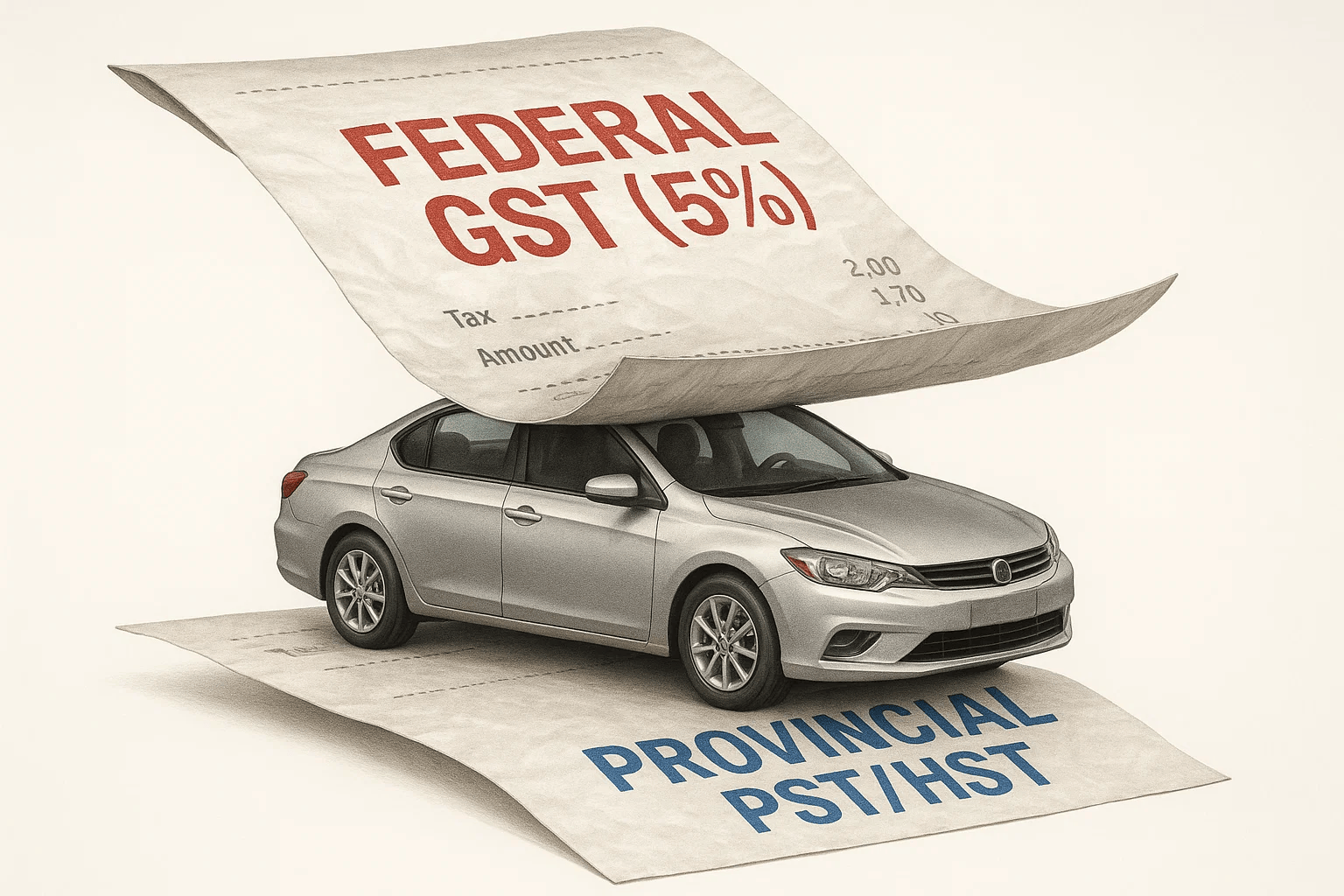
In Canada, tax on vehicle purchases is a two-tiered system. The federal government applies one type of tax, and each province or territory adds its own. The way these are combined and calculated depends entirely on where you live and whether you're buying a new or used car.
Federal Tax: The GST and the Luxury Tax
The federal government’s main car tax is the Goods and Services Tax (GST).
- Goods and Services Tax (GST): This is a 5% tax that applies nationwide on most goods and services, including new cars and used cars bought from a dealership. The dealership collects the auto sales tax and sends it to the government. If you're buying a used car from a private individual, you do not pay GST to them. This is a common point of confusion.
- Federal Luxury Tax: This is a newer tax that came into effect on September 1, 2022. It's designed to apply an additional tax on the sale or import of high-value cars and vehicles. It applies to vehicles with a retail price of over $100,000. The tax is calculated on the amount over $100,000, and it's either 20% of the value above the threshold or 10% of the vehicle’s full value, whichever is lower. This tax is a significant factor when considering a high-end purchase.
Provincial and Territorial Taxes in Canada
This is where the rules change depending on your location. Canada has a mix of systems: some provinces use a combined Harmonized Sales Tax (HST), others have a separate Provincial Sales Tax (PST) in addition to the GST, and one province stands alone with no provincial sales tax at all.
Provinces with PST (Provincial Sales Tax) + GST
In these provinces, you'll pay the federal GST and the provincial PST separately. This is important for understanding the final price, especially when dealing with used cars.
British Columbia
- Dealership Sale: When you buy a new or used car from a dealership in BC, you pay 5% GST and a tiered PST. The PST rate starts at 7% for vehicles under $55,000 and goes up to 20% for those over $150,000. This is how the new car vehicle tax is calculated.
- Private Sale: This is where the rules differ. When you buy a used car from a private seller, you do not pay GST. However, you pay a flat 12% PST on the vehicle's purchase price or its wholesale value (as determined by the (Canadian Black Book), whichever is higher. This rule is in place to prevent people from declaring a very low purchase price to avoid taxes on a used vehicle. The BC used car tax is a significant consideration for anyone buying privately. For example, if you buy a second-hand car for $10,000 but its Black Book value is $12,000, you’ll still pay PST on the higher amount.
Manitoba
- Dealership Sale: You pay 5% GST and 7% Retail Sales Tax (RST).
- Private Sale: When you buy a used car from a private seller, you pay 7% RST on the greater of the purchase price or the wholesale value. Similar to BC, this ensures a fair taxing of used car transactions.
Saskatchewan
- Dealership Sale: You pay 5% GST and 6% PST.
- Private Sale: You pay 6% PST, but with a special exemption. If the purchase price and the wholesale value of the vehicle are both $5,000 or less, you don't pay PST. This is a great benefit for those buying an older, lower-value vehicle. For sales above this amount, you pay PST on the greater of the purchase price or the wholesale value.
Provinces with HST (Harmonized Sales Tax)
The Harmonized Sales Tax (HST) is a single, combined tax that includes both the federal GST and the provincial sales tax. It simplifies things, but the total tax rate is higher.
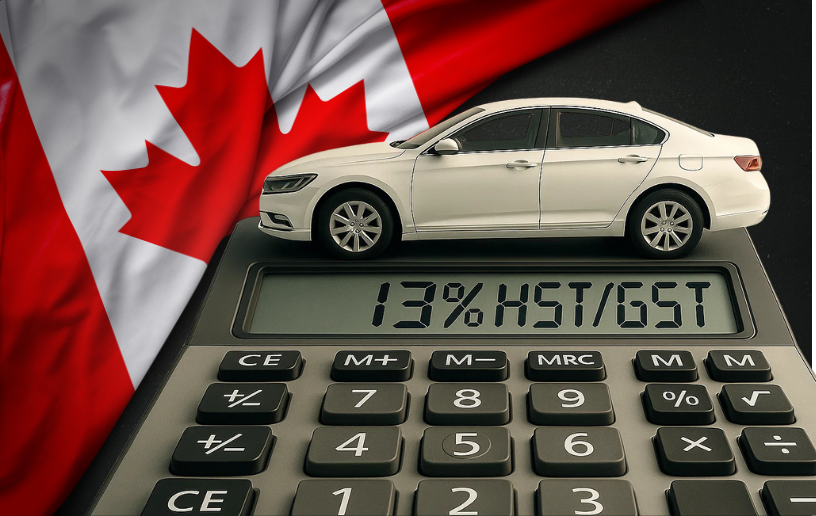
Ontario (13% HST)
Ontario residents pay 13% HST on a new vehicle from a dealership. For a used car bought from a dealership, you also pay 13% HST. For a private sale, the seller does not collect any tax. Instead, you pay a provincial Retail Sales Tax (RST) of 13% at the Service Ontario centre when you register the vehicle. The tax is based on the purchase price or the wholesale value, whichever is higher. This is the tax for a used car in Ontario. It’s important to note that sales tax for a car is mandatory on both new and used cars.
New Brunswick, Newfoundland and Labrador, Nova Scotia, and Prince Edward Island (15% HST)
All these provinces have a 15% HST. This tax applies to both new cars and used cars purchased from a dealership. For private sales, you pay a provincial sales tax of 15% when you register the vehicle.
Provinces with a Unique System
Quebec
It has a unique tax system with both GST and QST (Quebec Sales Tax).
- Dealership Sale: You pay the 5% GST and a separate 9.975% QST, for a combined total of 14.975% on new cars and used cars.
- Private Sale: This is where Quebec is different from other provinces with GST/PST. For a private sale of a used car, you pay only the 9.975% QST when you register the vehicle. You do not pay the federal GST on a private used car sale. This makes a significant difference. If you're considering buying a used car, it's important to understand the taxes on used cars in Quebec to avoid confusion.
Alberta
- No Provincial Sales Tax: Alberta is the only province in Canada with no provincial sales tax. You only pay the 5% GST on new cars and used cars purchased from a dealership. When you buy a used car from a private seller, you pay no tax at all. This makes Alberta a very attractive place to buy a car if you’re looking to save on sales tax on automobiles.
Buying a Car Out-of-Province in Canada
So, what happens if you find your dream car in a different province? This is a common situation, especially with the rise of online marketplaces. The good news is the rules are simple once you understand the core principle: you pay tax based on where you live, not where you buy.
The "golden rule" is that you will always pay your home province's sales tax when you register the vehicle. The tax is not paid to the seller, but to the provincial licensing authority (e.g., Service Ontario, ICBC, SAAQ) when you get your license plates.
Let's look at a few common scenarios:
Scenario A: Buying from a Dealership in Another Province:
If you buy a new car from a dealership, they will typically charge you the sales tax on a car for the province where you take possession of the vehicle. You would then need to handle the difference in tax when you register it back home, though many dealers who specialize in inter-provincial sales can handle this for you.
Scenario B: The Classic Alberta to B.C. or Ontario Run:
This is a very common scenario and a point of much confusion. A resident of Ontario or British Columbia hears that there is no provincial sales tax in Alberta and thinks they can save thousands by buying a used vehicle there. While it’s true they pay nothing to the private seller in Alberta, the savings are not real. When the buyer returns to their home province and attempts to register the car, they will be required to pay the full PST or HST (12% in BC, 13% in Ontario) on the vehicle's purchase price or wholesale value, whichever is higher.
The only real "tax" advantage of a cross-province purchase is if you find a better price on the vehicle itself, but the sales tax will always catch up with you.
Dealer vs. Private Car Sale in Canada
The distinction between buying from a dealership and a private seller will indicate how your sales tax of a car will be calculated.
- Dealerships: Dealerships are considered GST/HST registrants. This means they are required to collect and remit the applicable GST, HST, PST, or QST on all sales. When you buy a new or used car, the total tax is usually listed on the bill of sale.
- Private Sellers: A private seller is not a business, so they don't collect tax. Instead, the buyer is responsible for paying the provincial sales tax when they go to register the vehicle. This is why many provinces use the wholesale value of the vehicle to calculate the tax, as it prevents under-reporting the sale price.
This is a key point to remember when you're trying to figure out how much is tax on used car purchases. The tax isn't "free" because the seller doesn't charge it. It's simply deferred until you register the vehicle. The amount you'll pay is often based on the higher of the sale price or a government-mandated fair market value (like the Canadian Black Book).
Beyond the Purchase Price: Other Taxes & Fees
The tax on a car doesn't stop at the initial sale. There are other fees you need to be aware of:
- Air Conditioning Tax: There's a federal excise tax on vehicles with air conditioning. This is a small, flat fee, usually around $100, that is included in the price of new vehicles.
- Tire Tax/Fee: Many provinces have a small fee on new tires to fund recycling programs. This is often a few dollars per tire and is typically included in the cost of a new vehicle.
- License and Registration Fees: When you register a new or used car, you pay annual or biennial fees for your license plates and registration. These are provincial fees and vary by province.
- Fuel Taxes: A significant portion of the price you pay at the gas pump is made up of federal and provincial excise taxes on gasoline and diesel. These taxes help fund road infrastructure and other government services.
- Insurance Premium Tax: In some provinces, there is a tax on your car insurance premiums. This is another cost of ownership that adds up over time.
- Import Duties: If you're importing a vehicle from outside of Canada, you may be subject to additional duties and taxes, depending on the country of origin.
Taxes on Motorcycles, RVs, and More in Canada
While most of this guide focuses on passenger cars, taxes can differ for other types of vehicles in Canada. The rules can be slightly different, particularly in provinces that use a tiered or non-standard tax system.
British Columbia
In British Columbia, the distinction between a "passenger vehicle" and a "non-passenger vehicle" is very important.
- A "non-passenger vehicle" includes motorhomes, large commercial trucks, and most motorcycles (with an engine size over 250cc).
- For these vehicles, the tiered PST rates for luxury cars do not apply. Instead, a simpler rate is used. If you buy a non-passenger vehicle from a dealership, the PST is 7%. If you buy it privately, the PST is a flat 12% on the purchase price or fair market value.
- This means a high-value RV or a large, expensive motorcycle will not be subject to the 15% or 20% tax rates that an equivalent luxury car would be.
Ontario
For recreational vehicles in Ontario, the general 13% HST applies to sales from a dealership. For a private sale, the 13% RST is collected at Service Ontario. The key point is that the tax is based on the purchase price, and there are no special exemptions based on vehicle type.
Special Circumstances for Commercial Vehicles
If you are purchasing a commercial vehicle for business use and your business is a GST/HST registrant, you may be able to claim the taxes you pay on the vehicle as an Input Tax Credit (ITC) on your tax return. This effectively allows the business to get a credit for the tax paid. This is a very common practice for businesses and can significantly reduce the net cost of the vehicle.
Special Situations and Ways to Save on Taxes
While you can't avoid tax on cars, some special cases and strategies can impact your final bill.
- Trade-Ins: When you trade in your old car at a dealership, the value of the trade-in is usually deducted from the price of the new car before the sales tax on a car is calculated. This can result in significant savings. For example, if you buy a $30,000 new car and trade in your old one for $10,000, you will only pay auto sales tax on the remaining $20,000.
- Family Transfers: In some provinces, vehicles gifted or sold between immediate family members may be exempt from PST or RST. The rules for this vary, so it’s essential to check the specific regulations in your province.
- Zero-Emission Vehicle (ZEV) Rebates: Both the federal and many provincial governments offer rebates and incentives for buying or leasing ZEVs. These can be substantial and, while not a direct car tax reduction, they effectively lower the overall cost of the vehicle and the amount of tax you pay on the final price.
- Military Personnel & Diplomats: In certain circumstances, specific groups like military personnel and foreign diplomats may be exempt from paying certain taxes.
How to Calculate Your Own Car Tax: A Step-by-Step Guide
To give you a clearer picture, let’s walk through some real-world examples.
Example 1: New Car in Ontario
- Vehicle Price: $40,000
- HST Rate: 13%
- Calculation: $40,000 x 0.13 = $5,200
- Total Cost: $40,000 + $5,200 = $45,200
- Final Cost with Tax: The total cost you pay to the dealer is $45,200. The dealership remits the $5,200 sales tax on a car to the government.
Example 2: Used Car from a Dealership in BC
- Vehicle Price: $25,000
- GST Rate: 5%
- PST Rate: 7% (for a vehicle under $55,000)
- GST Calculation: $25,000 x 0.05 = $1,250
- PST Calculation: $25,000 x 0.07 = $1,750
- Total Tax: $1,250 + $1,750 = $3,000
- Total Cost: $25,000 + $3,000 = $28,000
- Final Cost with Tax: The dealership will charge you a total of $28,000. This is how much to tax a vehicle for this type of transaction.
Example 3: Private Used Car Sale in Quebec
- Vehicle Price: $15,000
- Wholesale Value: $17,000 (as determined by the government)
- QST Rate: 9.975%
- Calculation: The tax on used cars in Quebec is calculated on the higher of the two values, which is $17,000. So, $17,000 x 0.09975 = $1,695.75.
- Total Cost: The price you pay the seller is $15,000. When you register the car, you will pay the government an additional $1,695.75 in QST.
Example 4: Private Used Car Sale in Alberta
- Vehicle Price: $12,000
- Tax Rate: 0%
- Total Cost: $12,000
- Final Cost with Tax: You pay the seller $12,000 and nothing extra when you register the vehicle. This is the simplest tax on car sales in the country.
Understanding Fair Value and Wholesale Value of Car Purchase
As you've seen in the examples, many provinces don't just use the price on the bill of sale for private transactions. They use an official valuation, often from a source like the Canadian Black Book, to determine a "fair market value." This is to ensure people aren't selling cars for a ridiculously low price just to avoid taxes on used car sales.
If the price you paid is lower than the official wholesale value, you'll likely be taxed on the higher, fair value. It’s possible to challenge this if the car has damage or high mileage, but you usually need to provide a professional appraisal to back up your claim.
How to Finance Your Car Purchase in Canada
Understanding all the different taxes on a car is important, but it's only the first step. The total price of the vehicle, including all taxes and fees, is the amount you will need to finance if you are getting a loan. This is where getting the right loan becomes really important.
At Auto Lending Canada, we're here to help you every step of the way. When you apply for an auto loan with us, we don’t just look at the car's price; we look at the full, final cost—including all the sales tax applicable in your province. This means the loan amount we approve you for is enough to cover everything you need.
Here’s how ALC helps you get on the road with your car:
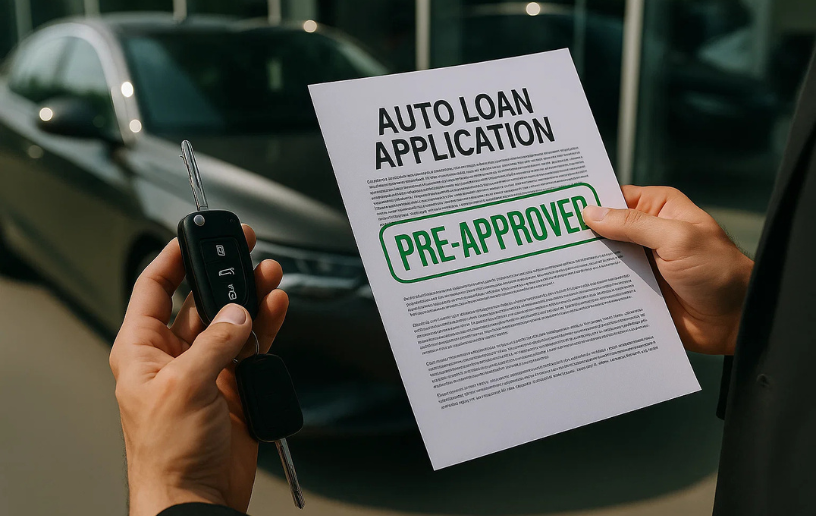
- You Know Your Budget: We give you a pre-approval amount that includes the full cost, with all the taxes. You can shop with confidence, knowing you won't have any surprises later.
- We Know the Rules: Our team understands the tricky Canadian taxation on cars system. We can help you figure out the final price of a used car from a private seller or a new car from a dealer.
- We Work with Everyone: We specialize in helping customers with all kinds of credit histories. No matter what your situation, we'll work with you to find a loan that fits your budget.
Ready to get started? Apply for a loan today and let us help you get pre-approved for auto financing in Canada.