Utility Trailer Financing in Canada: Loans, Terms, and How to Qualify
01 October 2026Utility trailers sit in a grey zone for a lot of Canadian buyers. They are not a passenger car, not a powered ATV or side-by-side, and not always treated like an RV — yet they still cost real money when you need a deck, dump, enclosed cargo, or equipment trailer for work, farm, or weekend hauling. If you are asking how utility trailer financing works in Canada, the short answer is: many specialty and consumer lenders will fund them, but program rules on age, hitch type, and end use matter more than a typical car desk.
This guide covers how utility trailer loans usually structure, what lenders look for, how to avoid common pitfalls, and a practical path to apply if you live in British Columbia, Alberta, or Saskatchewan.
What counts as a utility trailer for financing
Lenders generally mean a non-powered trailer designed to haul cargo, equipment, landscaping materials, or tools — open deck, dump, enclosed cargo, car hauler, or similar. Recreational travel trailers and fifth wheels often fall under RV programs instead; see our RV and travel trailer financing guide if that is your real need. Powersports with engines (ATVs, side-by-sides, dirt bikes) follow different rules again.
Clarify the trailer type, GVWR, year, and whether it is new from a dealer or used from a private seller before you apply. Those details decide which lender programs can even look at the file.
Start your application here if you already know the trailer type you want — you can finish details after a lender reviews your file.
How utility trailer loans usually work
Most deals are secured against the trailer. The lender advances funds to the dealer or seller, you make monthly payments, and the security interest stays on title until the balance is clear. Terms are often shorter than a full auto loan because trailers depreciate differently and have thinner secondary markets in some regions. Down payment expectations can be higher than a prime car deal, especially on older used units or private sales.
Dealer programs on new trailers may include manufacturer or floorplan partners. Independent lots and private purchases in BC, Alberta, or Saskatchewan more often need a broker or specialty lender that already funds non-auto collateral. For the broader powersports and specialty vehicle picture, see how to finance powersports vehicles in Canada.
What lenders typically check
- Credit and income: Score, payment history, and proof you can cover the payment after other obligations.
- Trailer details: Year, make, model, GVWR, condition, and whether it is titled and lien-searchable in your province.
- End use: Personal hauling versus clear commercial/fleet use can route you to different products. Be honest about how you will use it.
- Down payment: More cash down often offsets thinner collateral or fair credit.
- Insurance: Proof of coverage once funded — many lenders will not release funds without it.
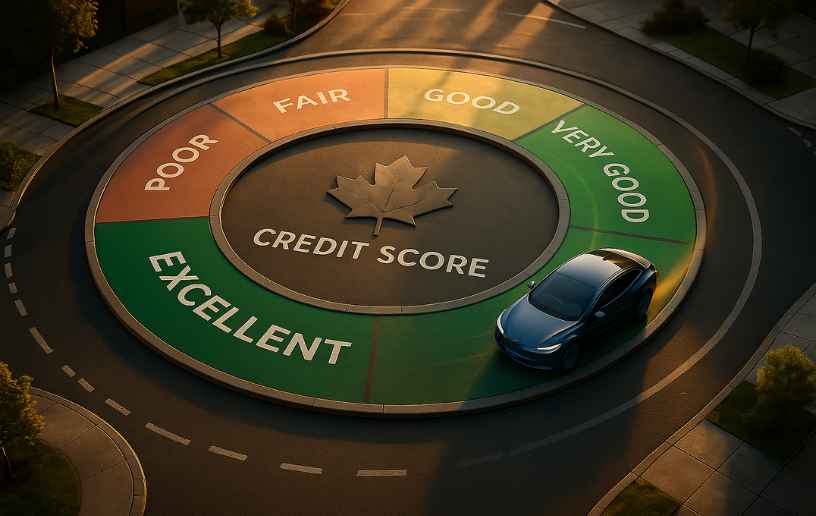
Rates still track risk. Our overview of car loan rates by credit score in Canada is a useful reference for how pricing bands move, even though trailer products are not identical to auto loans.
New dealer vs used and private sale
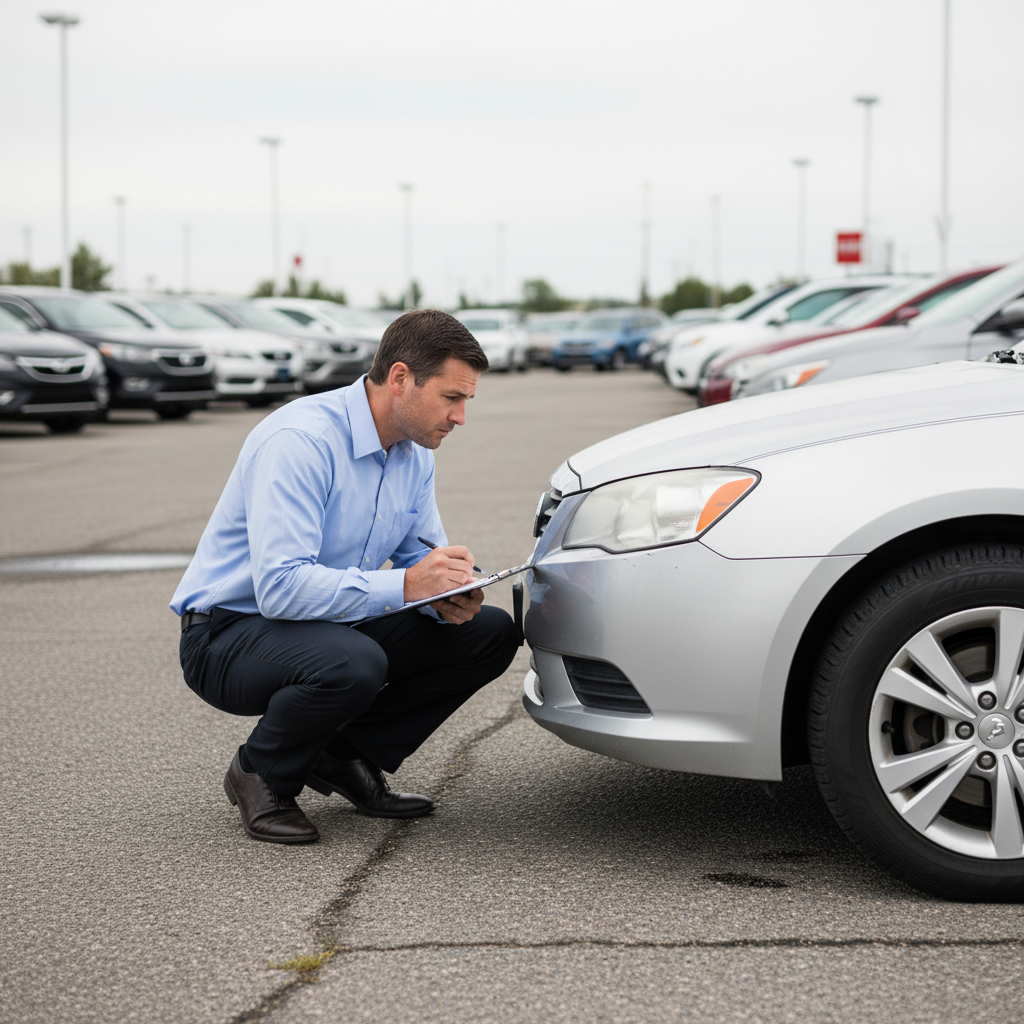
New trailers from established dealers usually fund cleanest: serial numbers, warranties, and clear purchase paperwork. Used trailers can still finance when age and condition fit program rules, but expect closer scrutiny of rust, deck condition, axles, and hitch hardware. Private sales can work in Alberta, BC, and Saskatchewan when the lender allows them — plan for extra steps on ownership proof, value, and lien clearance.
Do not buy first and assume financing will catch up. Ask about trailer eligibility before you transfer ownership or write a large deposit you cannot recover.
Budget beyond the payment
A utility trailer’s monthly note is only part of ownership. Factor hitch and brake controller setup on your tow vehicle, provincial registration and plate rules, insurance, tires, and storage. If the trailer is for contracting or farm work, also think about how downtime affects income if the unit sits for repairs. Stretching for a larger dump or enclosed trailer that your current truck cannot safely tow is a common costly mistake.
Match trailer capacity to the vehicle you already own (or plan to finance together). Lenders care about the trailer file; you should care about whether the whole setup is legal and usable on Canadian highways.
How to apply without wasting time
- Decide new vs used and personal vs work use up front.
- Gather ID, income proof, and trailer specs (or a dealer quote).
- Confirm insurance is available in your province for that trailer type.
- Submit one complete application through a lender network that funds specialty collateral in your province.
- Compare rate, term, fees, and any early-payout rules before you sign.
When you are ready, follow the same discipline as a vehicle application in how to apply for a car loan in Canada — complete details beat a rushed form.
What approval can look like
Strong-credit buyers with steady income and a newer dealer trailer often see more term flexibility. Fair or challenged credit, older used trailers, or thin private-sale paperwork usually mean higher rates, shorter caps, and larger down payments. Nobody can promise approval. What you control is a clear trailer description, honest end use, and shopping lenders who actually fund utility trailers in western Canada.
Ready to finance a utility trailer?
Auto Lending Canada helps customers across British Columbia, Alberta, and Saskatchewan explore financing options for vehicles and related equipment. If a utility trailer is what you need for work or daily hauling, start with a clear application and let lenders respond to your real numbers.