RV and Travel Trailer Financing in Canada: What to Know Before You Apply
28 September 2026Travel trailer and RV shopping season in Western Canada tends to spike twice a year: late winter, when people are staring down another cold snap and dreaming about summer, and early spring, when the lots fill back up. Either way, most buyers hit the same wall pretty fast. Financing an RV isn't the same process as financing a car, and a lot of dealers gloss over the differences until you're already sitting at the finance desk.
This guide covers how RV and travel trailer loans actually work in British Columbia, Alberta, and Saskatchewan, what separates them from a standard auto loan, and what to have ready before you apply.
RV loans aren't car loans wearing a different label
The basic shape is similar: you borrow against the vehicle, make fixed payments, and the lender holds a lien until it's paid off. Past that, the two products diverge more than most first-time buyers expect.
Terms run longer. A 10 or 15-year term isn't unusual for a large fifth-wheel or motorhome, compared to the 60 to 84 months you'd see on a car. That's partly because RVs cost more relative to typical income, and partly because they depreciate more slowly than people assume once you're past the first couple of years. Lenders who specialize in recreational financing build their terms around that curve rather than forcing an RV into an auto-loan structure that doesn't fit.
Fewer lenders play in this space too. Not every bank finances RVs, and the ones that do often cap loan amounts or restrict age and mileage more tightly than they would on a truck. Specialty and powersports-adjacent lenders tend to fill the gap, which is part of why RV financing looks and feels a bit like powersports vehicle financing rather than a straightforward car loan.
Towable versus motorized: different loans, different math
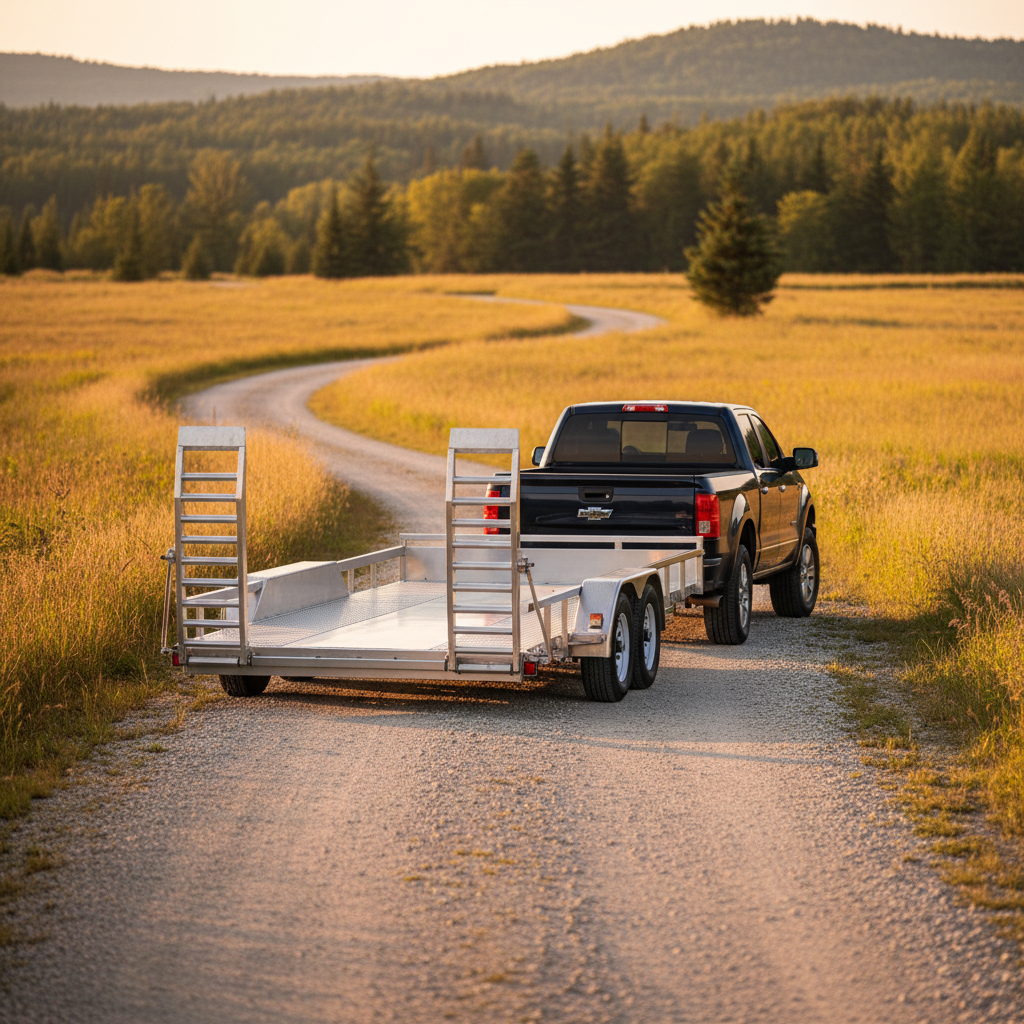
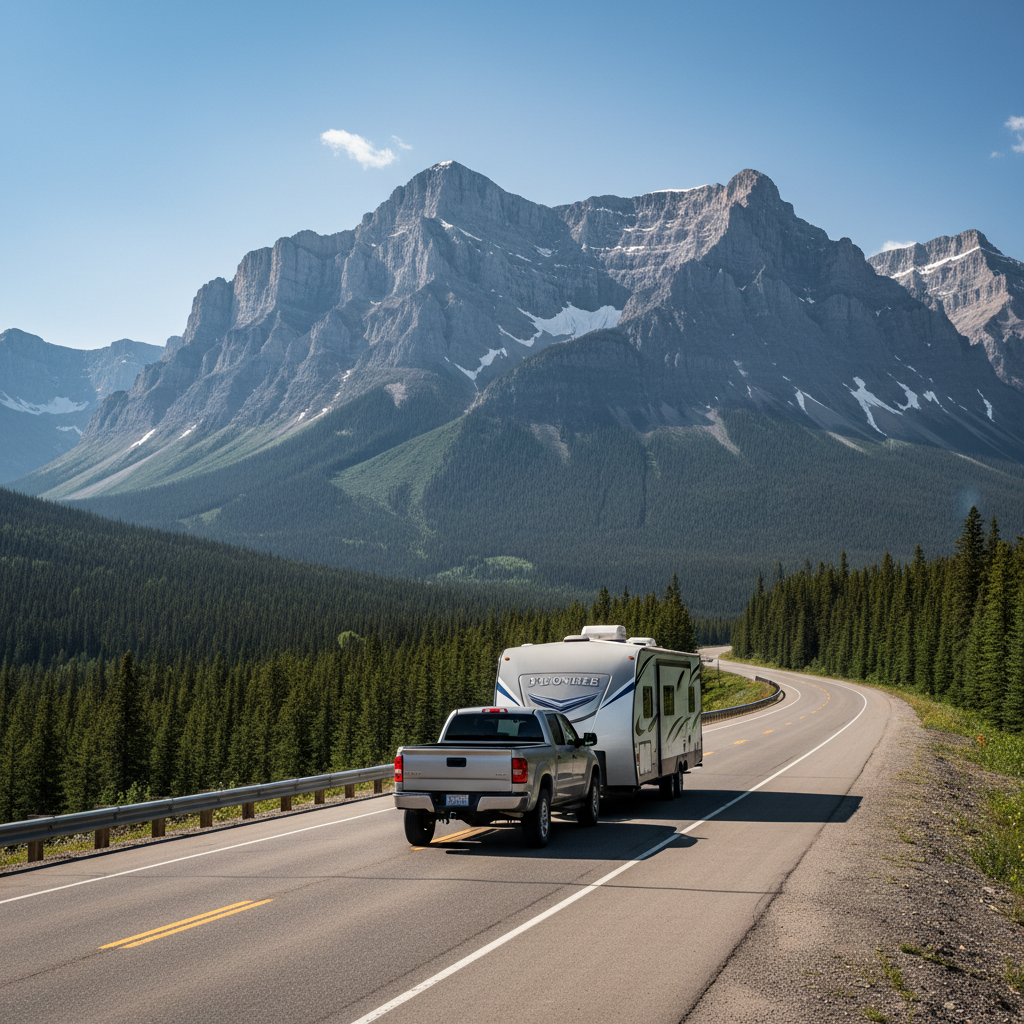
A travel trailer or fifth-wheel is a towable, meaning it has no engine of its own and relies on your truck or SUV to move it. A motorhome, Class A, B, or C, is a self-contained vehicle with its own drivetrain, essentially a home built onto a chassis. Lenders treat these differently.
Towables are generally cheaper to finance and easier to get approved for, since the loan amount is lower and the asset is simpler. Motorhomes cost more, sometimes dramatically more for a Class A diesel pusher, and lenders scrutinize them more closely because they're financing an engine, a chassis, and a living space all at once. If you're weighing a towable against a motorized unit, factor in that your existing tow vehicle, or the cost of buying one that can handle the trailer's weight, is part of the real total cost even though it's a separate loan.
What lenders check on an RV application
The underwriting pillars look familiar, with a few RV-specific wrinkles layered on:
- Credit score and history: Same as any secured loan, stronger credit unlocks better rates and longer terms.
- Income and debt-to-income: Lenders want the RV payment to sit comfortably alongside your existing mortgage, car loan, and other debt, not stretch you thin for a vehicle you'll use part of the year.
- Down payment: RV lenders often expect more down than a car loan, sometimes 10 to 20 percent, especially on units over $75,000.
- Unit age and condition: Older units, especially anything with signs of water damage or a soft floor, get flagged fast. A pre-purchase inspection isn't optional on anything used.
- Intended use: Full-time living versus seasonal recreational use can change how a lender underwrites the file.
New versus used RVs
New units come with manufacturer warranties and predictable financing through dealer-affiliated lenders, but they also depreciate hard in the first two or three years, similar to a new car. Used RVs, particularly ones five to ten years old from a reputable manufacturer, can be a genuinely good value since someone else absorbed that early depreciation. The tradeoff is a tighter lender pool and a harder look at condition.
If you're buying privately, which is common in the RV world since owners often sell directly rather than trade in, budget time and money for an independent RV inspection. Roof seals, slide-out mechanisms, and water damage around windows are the most common expensive surprises, and they're not always obvious on a walkthrough.
Budgeting beyond the loan payment
The monthly payment is the easy number. The costs that catch new RV owners off guard are the ones that show up after you drive off the lot: propane, RV-specific insurance, campground and storage fees in the off-season, and maintenance on systems a regular vehicle doesn't have, like the water heater, awning, and slide-outs. Storage alone can run a few hundred dollars a month in some BC and Alberta markets if you don't have room at home.
Before you sign, run the full picture, loan payment plus insurance plus storage plus a maintenance buffer, against your actual budget. A trailer that fits your income on paper can still strain your summer if you didn't account for what it costs to keep parked the other ten months of the year.
Towing capacity and your existing vehicle
If you already own a truck or SUV, confirm its actual towing capacity against the trailer's loaded weight, not just the empty weight listed in the brochure. Underestimating this is one of the most common and most dangerous mistakes RV buyers make, and it can also affect your insurance and your loan approval if a lender or insurer flags a mismatch between your tow vehicle and the trailer you're financing.
If your current vehicle can't handle the trailer you want, that's a second financing conversation worth having honestly before you fall in love with a specific unit. Our guide on car loan down payments in Canada covers the basic mechanics if you're financing a tow vehicle alongside the trailer.
Where to shop for RV financing
RV dealerships often have in-house or partner financing, and it can be competitive for well-qualified buyers, especially on new units with manufacturer promotions. But a single dealer's lender relationships won't cover every credit tier or every type of unit. A broker that shops recreational and specialty lenders across BC, Alberta, and Saskatchewan can widen the field, particularly if your credit is still building or you're financing an older used unit that a captive lender won't touch.
Practical tips before you apply
- Know the unit's year, length, dry weight, and asking price before you start the application.
- Get an RV-specific insurance quote early; it's a different product than standard auto insurance.
- Confirm your tow vehicle's rated capacity if you're financing a towable.
- Budget storage and off-season costs into your monthly number, not just the loan payment.
- Arrange an independent inspection on any used unit before you commit.
Ready to finance an RV or travel trailer?
Auto Lending Canada helps buyers across British Columbia, Alberta, and Saskatchewan compare financing options for recreational vehicles, from a modest travel trailer to a larger motorhome. Approval and terms depend on your credit, income, and the unit itself, but comparing more than one lender is still the most reliable way to find out what fits. Start your application here.