
How to Apply for a Car Loan in Canada: A Step-by-Step Guide
21 September 2026Most guides to car financing focus on eligibility, what lenders want to see, what credit score helps, what income counts. Fewer walk through the actual sequence of applying: what happens first, what happens after that, and where people usually get stuck. If you have never financed a vehicle before, or it has been a while, here is the process in the order it actually happens.
Step 1: Know Your Number Before You Apply
Before you fill out anything, work out what monthly payment actually fits your budget, not just what a lender might approve you for. Those two numbers are not always the same, and the gap between them is where a lot of buyers end up with a payment that is technically approved but uncomfortably tight. Our car loan calculator guide walks through the actual formula lenders use, so you can test a few loan amounts and terms against your real budget before you talk to anyone.
Step 2: Check and Understand Your Credit
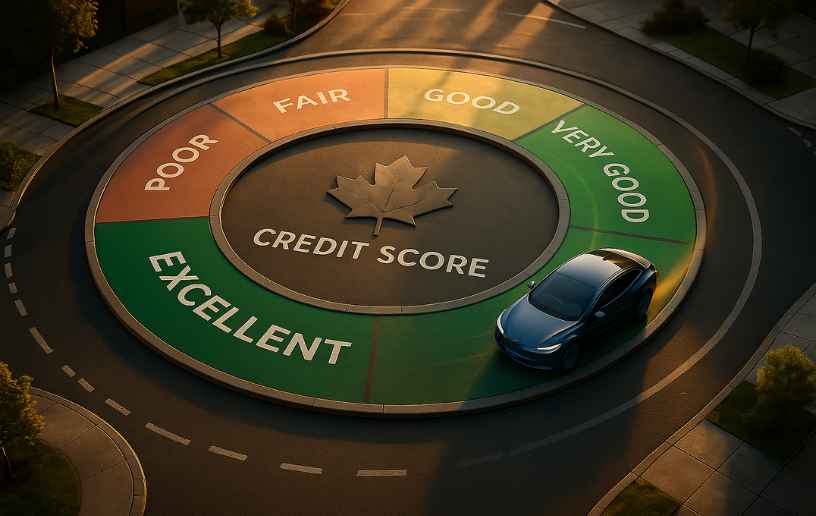
Pull your credit report from Equifax or TransUnion before you apply anywhere. This does two things. It tells you roughly what range of rates to expect, and it gives you a chance to catch and dispute any errors before a lender sees them. Applying without knowing your own credit standing means you are walking into a negotiation blind, which puts you at a disadvantage even if your credit is actually fine.
Step 3: Get Pre-Qualified or Pre-Approved
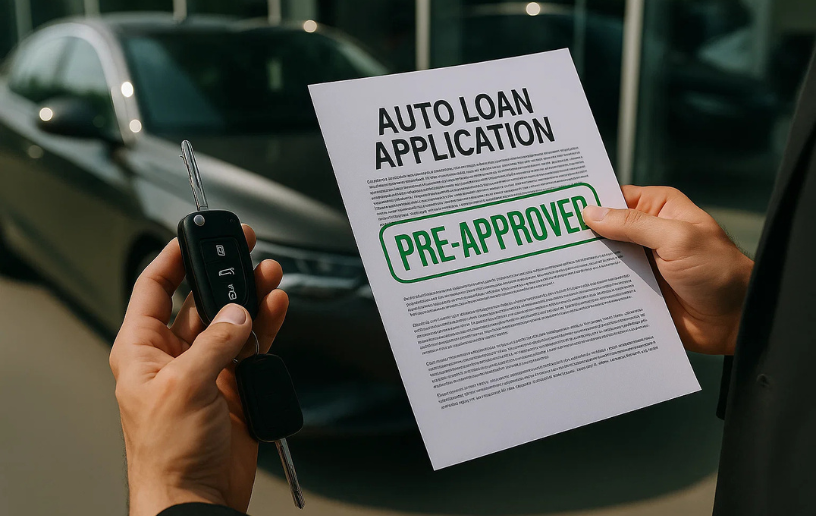
These two terms get used interchangeably but mean different things, and knowing the difference changes how much you can trust the number you are given. Pre-qualification is a quick, usually soft-pull estimate. Pre-approval is a more thorough review that typically involves a hard credit pull and gets you closer to a real, usable number. Our explainer on pre-qualification versus pre-approval covers which one you actually want at this stage, and why walking into a dealership with a real pre-approval changes your negotiating position.
Step 4: Gather Your Documents
Once you are ready to move forward with a specific lender, having your paperwork ready in advance is what keeps the process fast instead of dragging out over several days of back-and-forth. Most lenders will ask for proof of identity, proof of income, proof of residence, and details about the vehicle if you have already picked one out. Our full checklist of documents you'll need to apply for an auto loan covers exactly what to have on hand, including the alternatives lenders accept if you do not have a traditional pay stub.
Step 5: Choose a Vehicle Within Your Approved Range
With a real pre-approval number in hand, shop for a vehicle that fits within it rather than falling for something above your range and hoping the numbers work out later. Lenders will also evaluate the vehicle itself as part of final approval, since it is the collateral securing the loan, so an unusually old or high-mileage vehicle can affect your terms even if your credit and income are solid. If this is your first vehicle purchase, our first-time vehicle buyer guide covers the hidden costs that catch new buyers off guard, beyond just the loan payment itself.
Step 6: Submit Your Full Application
This is where your pre-approval turns into a final, binding application, now tied to the actual vehicle you have chosen, its price, and any trade-in or down payment. The lender verifies your documents, confirms the vehicle details, and runs a final review. This step usually moves quickly if everything from Step 4 is accurate and complete, and slowly if it is not, so double-check your paperwork before you submit rather than after.
Step 7: Review the Offer Before You Sign
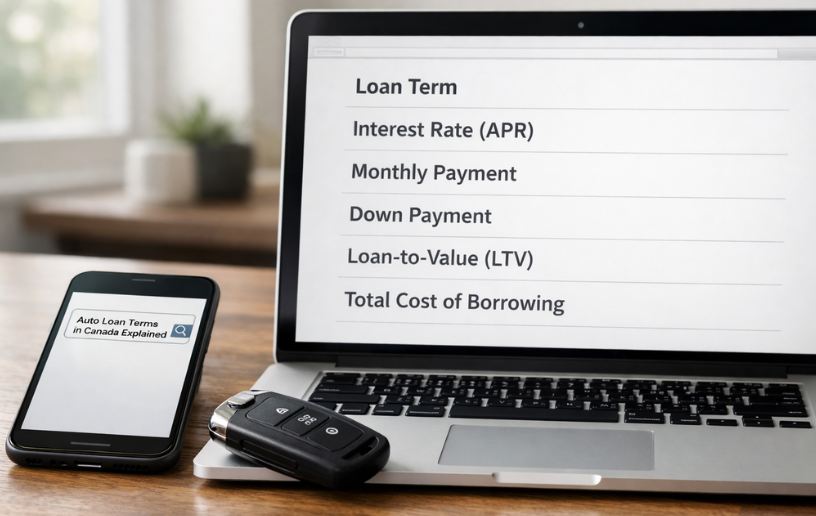
When your final offer comes back, read through the actual numbers rather than just the monthly payment. Check the interest rate, the total loan term, any fees, and whether the payment protection or add-ons you were offered are ones you actually want, since these are often optional even when presented as a standard part of the paperwork. If anything looks different from what you were pre-approved for, ask why before you sign, not after.
Step 8: Sign and Get Funded
Once you sign, the lender typically pays the dealership or seller directly, and you drive away with the vehicle. Funding timelines vary by lender, but most direct and specialty lenders move considerably faster than a traditional bank at this stage, sometimes completing the whole process the same day.
The Bottom Line
Applying for a car loan in Canada is a sequence, not a single event, and knowing what comes next at each stage removes most of the uncertainty that makes the process feel harder than it is. Start with your own budget, understand your credit, get a real pre-approval, and have your documents ready, and the rest of the process moves quickly.
Auto Lending Canada works with buyers across British Columbia, Alberta, and Saskatchewan through every step of this process, from pre-approval to funding. Start your application here to see your real numbers.