Financing a Wheelchair-Accessible Vehicle in Canada
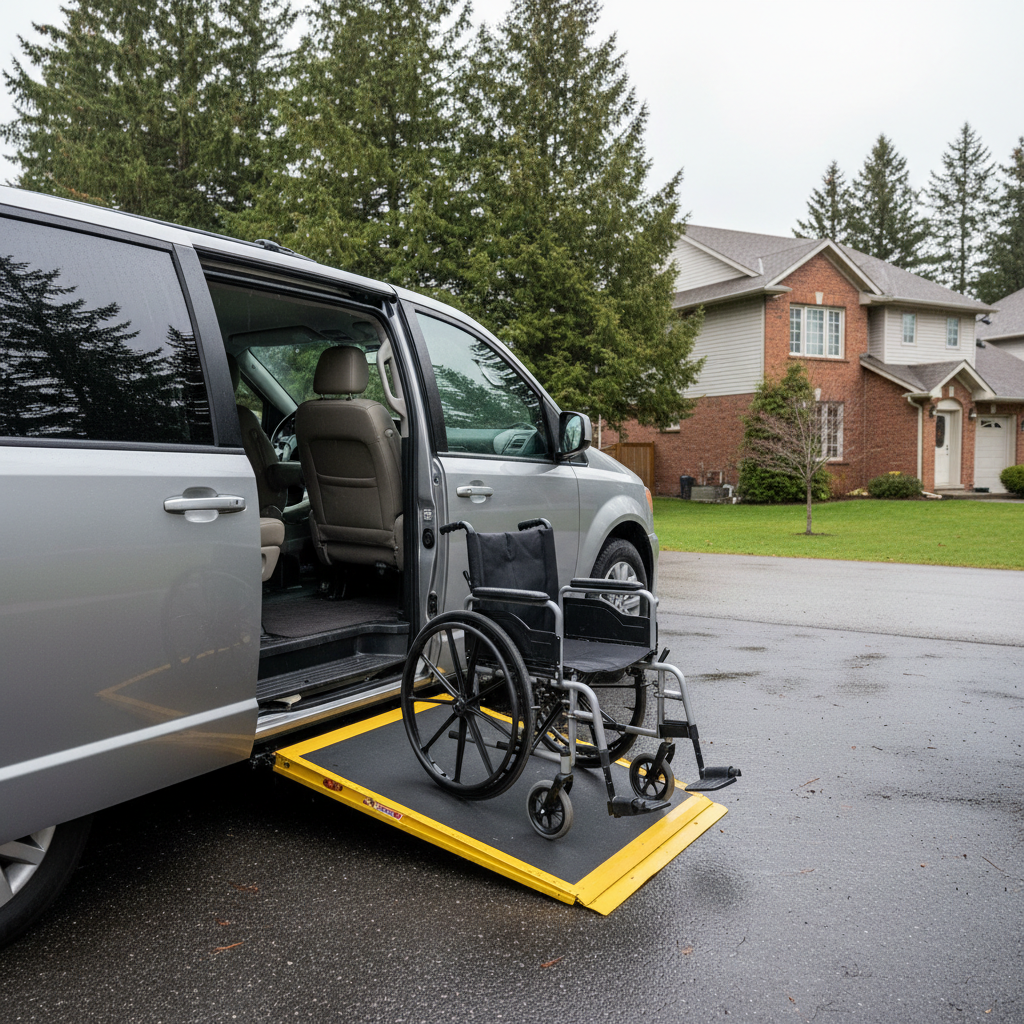
24 September 2026A wheelchair-accessible vehicle (WAV) costs more than a standard van or crossover because you are buying the vehicle plus the conversion: ramp or lift, lowered floor, securement points, and often hand controls or transfer seats. Financing that package in Canada means stacking a regular auto loan with grants, tax relief, and sometimes charity support so the financed amount stays workable.
What you are actually financing
Dealers and mobility converters quote two numbers: base vehicle price and conversion price. Some lenders finance both together. Others are comfortable with the chassis but hesitate on aftermarket conversion value. Ask early whether the lender's advance is based on full invoice, a guide value, or a split structure.
Used WAVs can lower the entry price, yet conversion condition matters as much as kilometres. Inspect ramp motors, door seals, flooring, and securement hardware. A cheap used conversion that needs major repair is not a bargain once you add downtime and shop time.
Auto loans vs. mobility-specialist financing
Big banks and credit unions will finance many accessible vehicles when credit, income, and LTV fit their grids. Credit unions sometimes show more flexibility on conversion line items. Mobility dealers may also partner with specialty finance programs that understand residual values on converted vans better than a generic branch loan officer.
Private or alternative lenders can fill gaps when prime channels say no, usually at higher rates. Exhaust grant and rebate options before you stretch into expensive debt. The financed residual should be what remains after non-loan funding, not the full sticker by default.
Grants, rebates, and tax angles worth checking
Programs vary by province and change over time. In broad strokes, Canadians often combine:
- Provincial disability or assistive-devices style programs that offset modifications
- Federal GST/HST relief on qualifying medical-related conversions where rules allow
- Charitable or service-club grants that cover a portion of equipment
- Veterans or workplace insurance channels when eligibility exists
BC residents should also watch provincial accessibility-related transportation funding streams that periodically support WAV acquisition or conversion for eligible operators. Confirm current criteria directly with the program administrator; do not rely on a blog post as your application guide.
Stack what you qualify for, then finance the remainder. Bring award letters into the lender conversation so the loan amount reflects net cost.
Income and credit still matter
Accessibility need does not replace underwriting. Lenders still look at credit score, debt-to-income, employment or benefit income, and down payment. Disability income can qualify with the right documentation. See our guide on car financing on disability income for how benefit-based files are typically packaged.
A larger down payment or grant-funded equity improves LTV and can unlock better rate tiers. If two household members will be liable, compare joint vs. cosigner structures carefully using joint loan vs. cosigner as a reference.
Insurance and ownership costs
Insure the conversion properly. Tell your broker the vehicle is modified; undeclared modifications create claim problems. Premiums may run higher than a stock van. Factor fuel, maintenance on conversion hardware, and specialized shop access into the monthly budget beside the loan payment.
GAP coverage is worth a hard look when the conversion creates a high loan balance relative to resale. Read whether GAP insurance is worth it before you accept or decline it at the desk.
Application package that helps underwriters
Include vehicle and conversion quotes, any grant approvals, proof of income (pay stubs, NOA, disability award letters), ID, and a short note on how the vehicle will be used (personal mobility, caregiver transport). Clear paperwork shortens back-and-forth on specialty files.
If employment verification is part of the process, our overview of employment verification for car loans shows what lenders usually confirm.
Practical buying sequence
Get assessed for the mobility equipment you need. Collect grant and tax information in parallel with loan pre-qualification. Choose the vehicle and converter with financing feasibility in mind, not only brand preference. Sign loan documents only after grant timing is clear enough that you will not be stuck funding a shortfall at the worst moment.
New vs. used accessible vehicles
New WAVs offer warranty coverage on both chassis and, often, conversion components when bought through established mobility dealers. Used WAVs cut capital cost but transfer inspection burden to you. Budget a mobility-savvy inspection the same way you would budget a PPI on a performance car.
If the conversion was done years ago, parts availability and technician familiarity in your city matter. A financing approval on a vehicle you cannot service locally creates a different kind of breakdown risk.
Working with converters and dealers
Use converters familiar with Canadian safety and provincial inspection rules. Ask for a line-item quote that separates chassis, conversion, and options. That breakdown helps lenders and grant administrators alike.
If you already have a vehicle and only need modifications, confirm whether your existing lender allows the work and how insurance must be updated mid-loan. Adding a conversion without telling the insurer is a claim risk you do not want.
Delivery timelines on conversions can run weeks or months. Align financing first payment dates with realistic delivery so you are not paying for a vehicle you cannot yet use.
Next step
WAV financing in Canada is a puzzle of loan + grants + tax relief. Solve the non-loan pieces first when you can, then place a right-sized auto loan against the remainder with a lender who understands converted vehicles.
Auto Lending Canada serves British Columbia, Alberta, and Saskatchewan. Start your application here.