Financing an Imported JDM or Grey-Market Vehicle in Canada
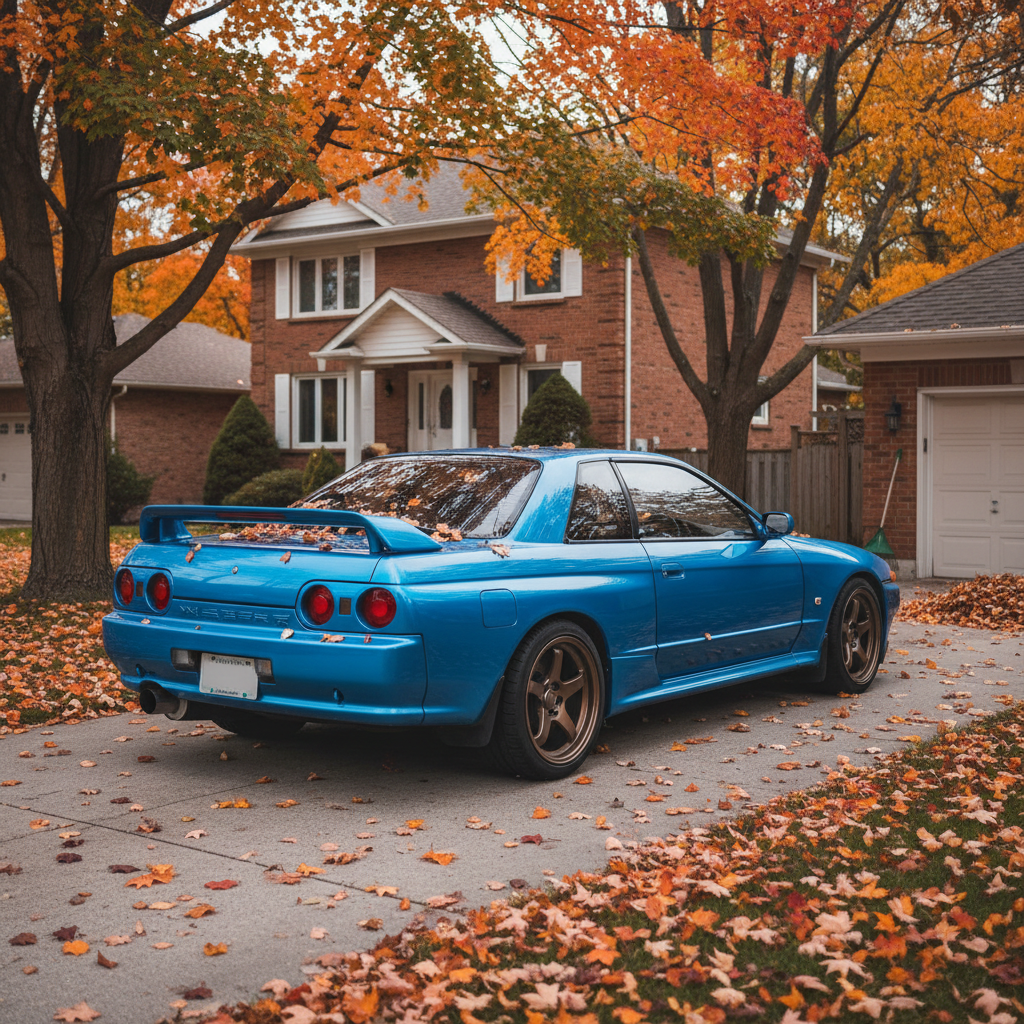
23 September 2026Once a vehicle turns 15 years old, Transport Canada's import rules open the door to a category of cars that never officially came to North America: right-hand-drive Japanese sports cars, kei trucks, and other JDM models that build a loyal following well before they are legally importable. Once that 15-year mark passes and a buyer actually imports one, a new problem shows up that has nothing to do with import law: getting it financed.
The 15-year rule shapes what actually shows up on the market
Vehicles become eligible for import to Canada once they reach 15 years of age, which is why the JDM market here skews toward specific eras rather than the newest Japanese models. That eligibility window also means the vehicles coming onto the Canadian resale market are constantly aging further, and a car that was a fresh import five years ago is now five years further from the age most lenders are comfortable financing at all, since many lenders apply their own maximum vehicle age or mileage cutoffs regardless of a vehicle's import status. Checking a lender's age cutoff before you fall in love with a specific import saves a disappointing conversation later.
Why these vehicles fall outside how most lenders evaluate a car
Auto lenders build their approval and valuation processes around vehicles that have a standard VIN history, a recognized value guide entry, and a straightforward path to resale in the Canadian market. A JDM import checks none of those boxes cleanly. Many arrive with a Japanese chassis number rather than a conventional 17-digit VIN until it is re-registered federally, they rarely appear in mainstream Canadian valuation guides the way a Civic or F-150 does, and right-hand-drive layout narrows the resale market considerably compared with a left-hand-drive equivalent.
None of that makes financing impossible, but it does mean a lender is working with a lot less certainty about what the vehicle is actually worth as collateral, which is the same underlying concern that shapes how classic car financing works in Canada. Age, rarity, and a thin resale market push a vehicle out of standard lending criteria even when it is mechanically sound and legally on the road.
What changes about the paperwork
Before a lender will even look at an imported vehicle, it usually needs to have cleared the full import and registration process: Transport Canada admissibility confirmation, a Registrar of Imported Vehicles inspection where applicable, provincial safety and emissions requirements, and a Canadian VIN or compliance plate issued through your provincial vehicle registry. Trying to finance a vehicle that is still mid-import, sitting at a border compound or with an import broker, is not something most lenders will consider, since they need a vehicle that is actually registered and insurable in your name before they will fund against it.
Once that process is complete, the lender's documentation looks fairly close to any other used vehicle purchase: bill of sale, current registration, and often an appraisal or recent inspection given how unusual the vehicle's history typically is compared with the value-guide entries a lender is used to seeing. A lien and history check matters here too, particularly if you bought the vehicle through an import broker rather than directly, since you want confirmation the broker actually held clear title before it changed hands.
Financing timing around a multi-step import
The full import and compliance process, admissibility confirmation, RIV inspection where required, provincial safety inspection, and final registration, can take anywhere from a few weeks to a few months depending on the vehicle, the province, and how backed up your local inspection facility is. A pre-approval secured too early in that process can lapse before the vehicle is actually ready to register, so it is worth timing your financing conversation closer to the point where compliance is nearly finished rather than the moment you first agree to buy the vehicle from an overseas exporter or import broker.
Insurance comes before financing, not after
Most lenders will not finalize funding until they see proof of insurance on the vehicle, and insuring a right-hand-drive import is its own process. Not every insurer in BC, Alberta, or Saskatchewan quotes these vehicles the same way a mainstream model gets quoted, and premiums tend to run higher given the smaller pool of comparable vehicles insurers can price against. It is worth getting an insurance quote confirmed before you get too far into financing conversations, since a surprisingly high premium can change your total monthly cost more than the loan rate itself does.
Specialty and direct lenders tend to be more realistic here than banks
A mainstream bank's auto lending criteria is generally built around mass-market vehicles with predictable resale value, and an unusual import does not fit that model well even when the buyer's credit is strong. Specialty and direct lenders, the same ones that regularly finance classic cars, powersports vehicles, and other non-standard purchases, are generally more equipped to evaluate an import on its actual condition and documentation rather than rejecting it outright because it does not match a typical lending template. If a bank turns you down on an import, that is often a reflection of the vehicle type rather than your creditworthiness.
Budgeting beyond the purchase price
Import costs do not stop at the sale price. Duty, excise tax, and GST or the applicable provincial sales tax apply on entry, plus RIV inspection fees, provincial safety inspection costs, and often modification costs to meet Canadian daytime running light or bumper requirements depending on the model and year. Financing the vehicle itself is only part of the total outlay, and rolling in unexpected compliance costs after the fact is one of the more common ways import buyers end up needing more cash than they planned for.
The bottom line
A JDM or other grey-market import can absolutely be financed in Canada, but only once it has cleared import compliance, has a Canadian registration and insurance policy in place, and you are working with a lender comfortable evaluating a vehicle that does not fit a standard valuation guide. Get the import and compliance steps finished first, and treat financing as the step that comes after, not during.
Auto Lending Canada finances vehicles across British Columbia, Alberta, and Saskatchewan, including imports that have completed the compliance process. Start your application here once your import is road-ready.