How to Check for a Lien on a Car Before You Buy It in Canada
15 September 2026Every year, Canadians finance vehicles that already have a lien registered against them, sometimes discovering the problem only after their own loan is approved and the paperwork is halfway signed. A lien check takes ten minutes and costs less than a tank of gas. Skipping it can cost you the entire vehicle. Here is what a lien actually is, why it matters more than most buyers realize, and exactly how to check for one before you hand over any money.
What a lien actually means
A lien is a legal claim a lender registers against a vehicle when they finance it. It tells the world, and more specifically anyone who runs a search on that VIN, that someone still has money owing on the car and a legal right to repossess it if that debt goes unpaid. The lien stays attached to the vehicle itself, not to the person who took out the loan, which is the part that catches buyers off guard.
If you buy a used car privately and the seller still owes money on it, the lien does not disappear just because ownership changes hands. The lender's claim survives the sale. That means you could make your payments faithfully on a car you financed or bought with your own savings, only to have a repossession agent show up because the previous owner defaulted on a loan you had nothing to do with. It sounds extreme, but it happens often enough that every province maintains a public registry specifically so buyers can check before this becomes their problem.
Why this matters even more when you are financing
If you are buying with cash, a lien is bad news but it is your bad news to sort out. If you are financing the purchase, a hidden lien becomes your lender's problem too, and lenders do not like surprises on collateral they are counting on to secure the loan. Most reputable lenders will run their own lien check as part of underwriting, especially for private sale vehicle financing, precisely because an encumbered vehicle is worthless as collateral. Walking in with your own lien check already done speeds up approval and shows the lender you have done your homework, which matters more with a private sale than a dealership purchase where the paperwork trail is usually cleaner from the start.
How to actually check for a lien in Canada
Lien registries in Canada are provincial, not national, which is the detail that trips people up most. A vehicle registered and financed in Alberta can carry a lien that a British Columbia search alone would never catch, and vice versa. If a vehicle has spent time in more than one province, which is common with used cars bought and sold across the country, you may need to check more than one registry to be thorough.
In British Columbia, lien and personal property searches run through the Personal Property Registry, accessible through OneStop or a registry agent. In Alberta, the Personal Property Registry serves the same function and is searchable online through registered service providers. In Saskatchewan, the Information Services Corporation runs the province's personal property registry with a similar online search tool. Each search typically requires the VIN and costs a small fee, usually somewhere in the ten to twenty dollar range depending on the province and provider.
Beyond the government registry, a full vehicle history report from a service like CARFAX Canada typically includes lien information as part of a broader report that also flags accidents, odometer inconsistencies, and branded titles. We cover how to read one of these reports properly in our guide to free VIN checks and car history reports, which is worth doing alongside a dedicated lien search rather than instead of one, since the two tools catch slightly different things.
What the search actually tells you
A registry search will show whether there is an active security interest registered against the VIN, who the registered lender is, and when the registration was filed. It will not tell you the outstanding balance the seller owes, which is a separate conversation you need to have directly with them or their lender. A clean search result means no registered lien was found at the time you searched, not that one could never be filed later, so timing your search close to the actual purchase date matters.
What to do if you find a lien
Finding a lien does not automatically mean walk away, though for a lot of buyers it should at least slow things down considerably. The seller may genuinely be close to paying off their loan and simply has not gotten around to confirming the lien was released. In that case, the safest path is requiring proof that the debt is paid off and the lien formally discharged before any money changes hands, not after. Never accept a verbal promise that everything is fine, since the registry record is what a court and a repossession agent will actually rely on, not a conversation.
A practical structure that works for both sides: the buyer's payment goes toward paying off the existing lien directly, with the lienholder confirming discharge before the balance goes to the seller. This is common enough that most lienholders are used to handling it, and it protects everyone involved far better than trusting the seller to clear their own debt after the fact.
VIN cloning is a related but different risk
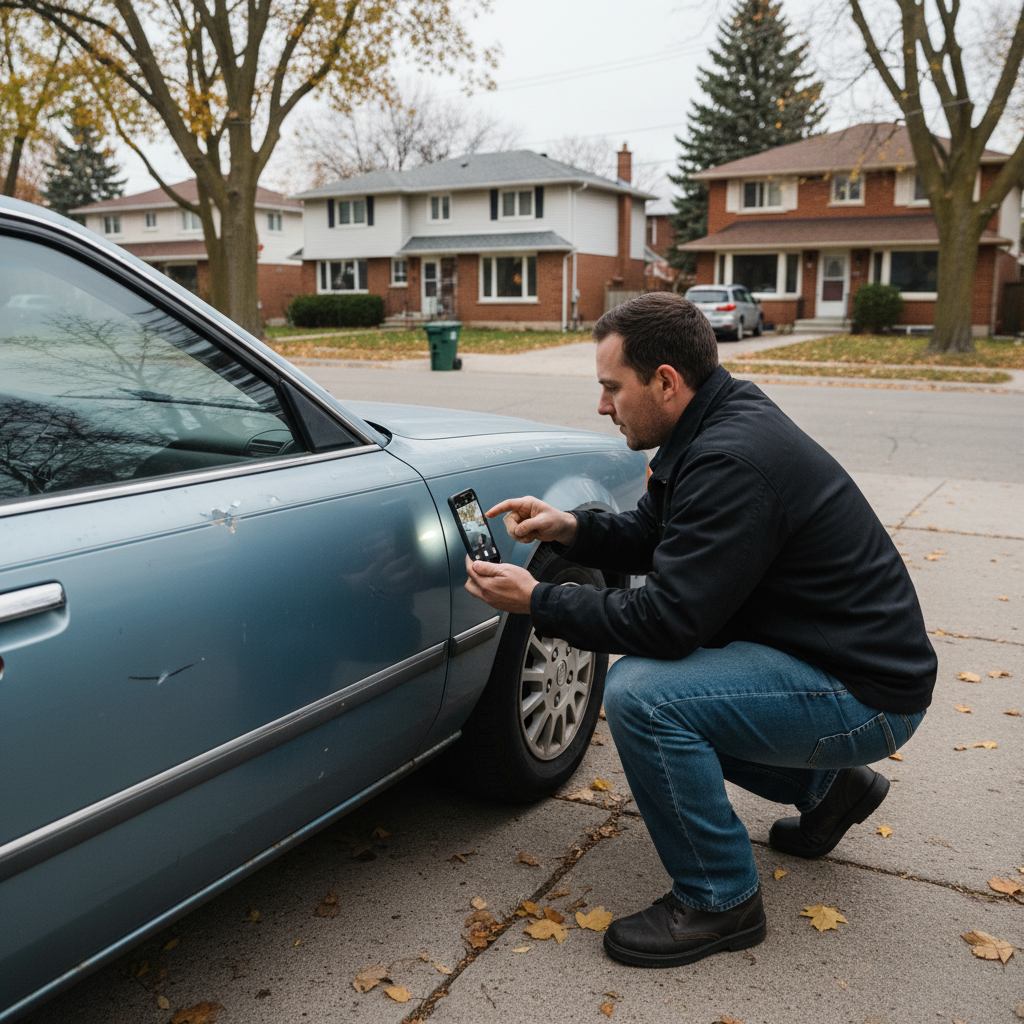
A clean lien search does not fully protect you from VIN cloning, where a stolen vehicle is given the VIN of a legitimate one to hide its history. That scam is why a lien search should be one part of a broader check rather than the only thing you do. Comparing the VIN stamped on the dashboard, the door jamb, and the vehicle's paperwork for consistency catches a different kind of fraud than a lien registry search does, and both matter before you commit to a purchase.
Common misconceptions worth clearing up
A lot of buyers assume a bill of sale or a signed ownership transfer proves the vehicle is lien-free. It does not. Those documents show a transaction happened, not that the vehicle is free of any prior financial claim. Others assume that if the seller has the original ownership papers in hand, that settles it, but ownership documents and lien status are tracked separately in most provinces, and a seller can hold a clean-looking ownership certificate while still owing money against the vehicle.
It is also worth knowing that a lien check only covers registered security interests. It will not catch every possible dispute over a vehicle, such as a family member who has an informal claim that was never legally registered, but it catches the overwhelming majority of the situations that actually cause buyers financial harm.
Building this into your buying process
The cleanest approach is to treat a lien check the same way you treat a test drive: a non-negotiable step before you commit, not an afterthought once you already love the car. Combine it with the other checks outlined in our guide to documents required to buy a car in Canada, and you walk into the transaction with a real picture of what you are financing instead of hoping for the best.
If you are buying privately and want financing lined up before you commit to a specific vehicle, getting pre-approved gives you a firm budget and puts you in a stronger position to walk away from any deal that raises red flags during your lien and VIN checks.
Auto Lending Canada helps buyers across British Columbia, Alberta, and Saskatchewan finance both dealership and private sale vehicles, with guidance on the paperwork that keeps your purchase clean from day one. Start your application here to see your financing options before you buy.