Classic Car Financing in Canada: How It Actually Works
15 September 2026Financing a classic car in Canada is nothing like financing a five-year-old Civic. The vehicle is worth more the older it gets instead of less, most mainstream lenders will not touch it, and the paperwork depends heavily on whether you are buying a genuine collector piece or just an older car you happen to like. Here is how it actually works, and where buyers usually get tripped up.
Why regular auto lenders say no
Standard auto financing is built around depreciating assets with predictable resale value. A bank's underwriting model assumes the car loses value every year, which is exactly why the lender caps loan terms and requires the vehicle to fall within certain age and mileage limits. A 1969 Camaro or a mint-condition 1988 Porsche 911 breaks every one of those assumptions. It might appreciate. It has no standard depreciation curve to model. And valuing it accurately requires expertise most retail lenders simply do not have on staff.
That is why most banks and credit unions either decline classic car loans outright or cap financing at a fairly short term with a large down payment requirement, treating it more like a personal loan secured against an unusual asset than a typical auto loan.
Who actually finances classic cars in Canada
Specialty and hobbyist lenders exist precisely because mainstream banks avoid this market. These lenders understand collector values, often maintain relationships with appraisers who specialize in vintage and exotic vehicles, and structure loan terms around the reality that a well-maintained classic can hold or increase its value over time rather than decline.
Beyond specialty lenders, a few other paths show up regularly among Canadian collectors. A home equity line of credit is popular because the rate is often lower than a specialty classic car loan, and the funds can be used for any purpose, including a car purchase, without the lender needing to appraise the vehicle at all. The tradeoff is real: your home is the collateral instead of the car, so a missed payment carries a much heavier consequence than a repossessed vehicle would.
A personal loan from your bank is another route, particularly for buyers with strong existing banking relationships and excellent credit. Rates tend to be higher than either a home equity line or a purpose-built classic car loan, and the amount available is often capped lower than what a six-figure collector vehicle actually costs, but for a more modest classic in the $15,000 to $30,000 range it can work fine.
Some collectors also borrow against an existing car collection, using appraised vehicles they already own outright as collateral for a loan to acquire another one. This is a niche option offered by a handful of specialty lenders and generally requires a well-documented, insured collection with clear title.
What makes appraisal different for a classic
A regular used car gets valued off a standardized guide based on year, trim, mileage, and condition, with fairly tight bands of variation. A classic car does not work that way. Two examples of the same model and year can be worth wildly different amounts depending on originality, matching numbers on the engine and chassis, documented ownership history, restoration quality, and how the specific model has trended in the collector market recently.
Lenders who actually finance classics typically require a professional appraisal from someone with specific expertise in that vehicle category, not a generic used car appraiser. This adds cost and time to the process compared to financing a regular used vehicle, and it is worth budgeting for that appraisal fee before you get too far into loan shopping.
Loan terms tend to look different too
Where a standard auto loan might stretch to 72 or 84 months, classic car financing more commonly caps out around 36 to 60 months, even at specialty lenders, since the loan is being priced against an asset with a less predictable resale market than a mainstream vehicle. Interest rates also tend to run higher than a comparable mainstream auto loan, reflecting both the specialized underwriting involved and the smaller pool of lenders willing to compete for this business.
Down payment expectations are usually higher too. Where a typical auto loan might accept 10 to 20 percent down, classic and collector vehicle financing often expects 20 percent or more, particularly for higher-value vehicles, since the lender wants a meaningful equity cushion given how much harder these assets are to liquidate quickly if a loan goes into default.
Insurance is its own separate conversation
Standard auto insurance policies are not built for collector vehicles either. Most classic car owners in Canada carry a specialty collector car insurance policy, which typically requires an agreed value set at the time the policy is written, rather than the actual cash value approach standard policies use. This matters directly for financing, since a lender wants assurance that the insured value on the policy is enough to cover the outstanding loan balance if the vehicle is written off. Confirm your insurance arrangement before finalizing financing, not after, since a mismatch between loan balance and insured value can leave you in a difficult spot if something happens to the car.
What lenders want to see from you as a borrower
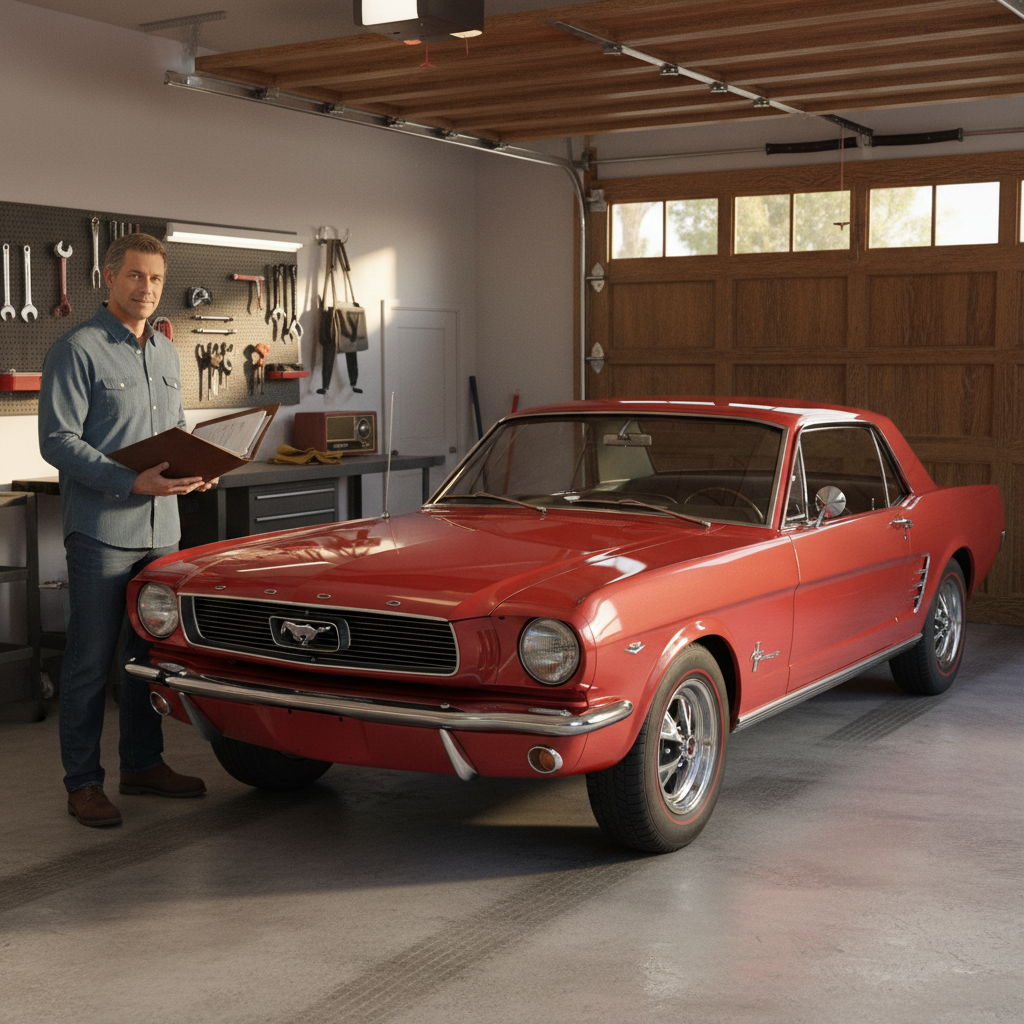
Beyond the vehicle itself, classic car lenders look closely at how the car will actually be used and stored. A vehicle kept in a heated garage and driven only to shows and on weekends presents a very different risk profile than the same model used as semi-regular transportation. Some lenders ask directly about mileage expectations and storage conditions as part of underwriting, since both affect the vehicle's long-term value and the lender's confidence in the collateral.
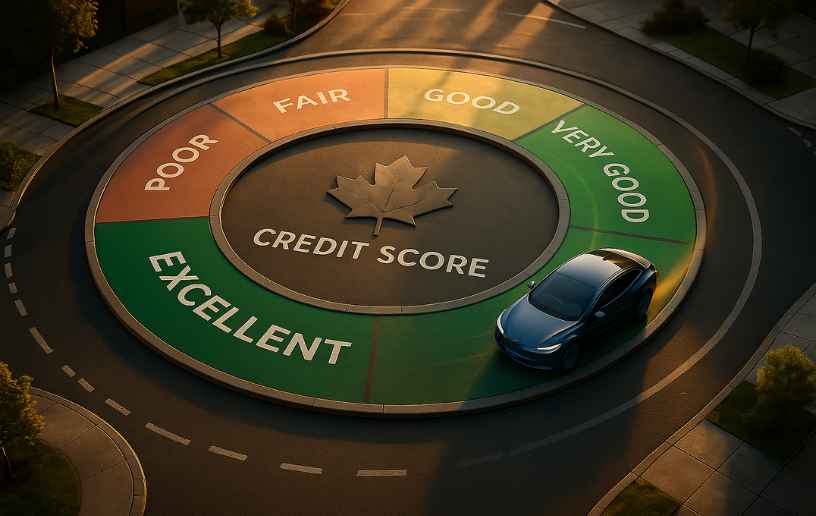
Your own credit profile and income still matter the way they would for any loan. A specialty lender is more flexible about the vehicle's unusual valuation profile, but that does not mean they ignore your ability to actually make the payments. Strong, stable income and a solid credit history still meaningfully improve your rate and terms, the same way they would for any other car loan in Canada.
Getting the timing right
Classic car listings, particularly the good ones, tend to move fast, sometimes faster than a first-time classic car buyer expects. Having financing at least roughly lined up before you start seriously shopping saves you from losing a car you actually want while you scramble to find a lender willing to work with an unusual vehicle. This is different from typical pre-qualification versus pre-approval timelines for a mainstream vehicle purchase, since specialty appraisals and underwriting can simply take longer to arrange.
The bottom line
Financing a classic car in Canada is possible, but it runs through a narrower set of lenders, requires a real appraisal from someone who understands the specific market for that vehicle, and generally comes with a bigger down payment and shorter term than a regular used car loan. None of that makes it a bad idea if you have genuinely done the homework on the vehicle and the numbers work for your budget. It just means the process looks nothing like walking into a dealership and driving off the same afternoon.
Auto Lending Canada works with drivers across British Columbia, Alberta, and Saskatchewan to find financing that fits unusual purchases, not just standard new and used vehicles. Start your application here to talk through your specific situation.