Buying From a Curbsider in Canada: What It Actually Costs You at Financing Time
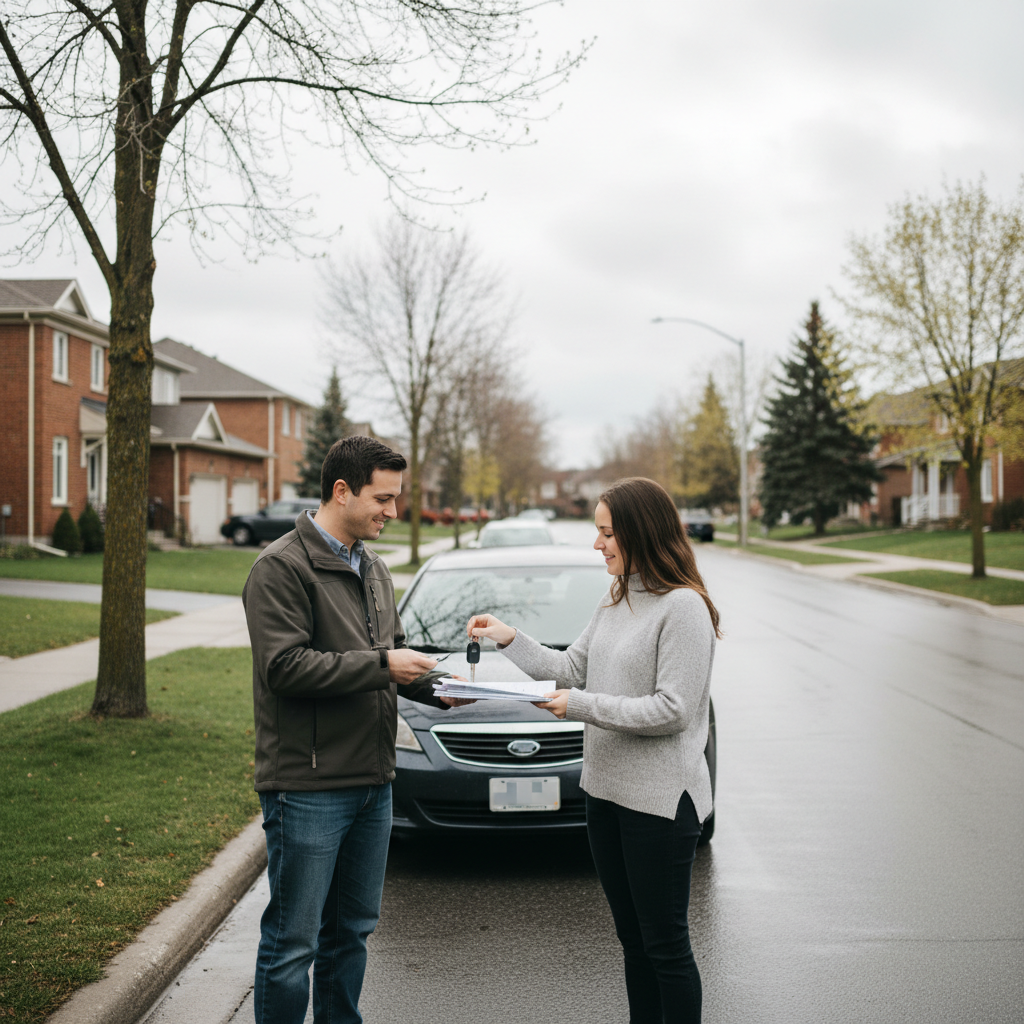
23 September 2026A curbsider is someone who sells vehicles repeatedly, sometimes dozens a year, while presenting each sale as an ordinary one-off private transaction. No dealer license, no lot, no paper trail beyond a bill of sale that looks exactly like the one your neighbour would hand you. Every province has consumer protection rules built around licensed dealers, and a curbsider exists specifically to sit outside every one of them while looking, to a buyer, indistinguishable from a genuine private seller.
Why this matters more at financing time than most buyers expect
Financing a legitimate private-sale vehicle is a well-established process. Lenders ask for a bill of sale, the VIN, and basic vehicle details, and it works the same way whether you are buying from a real private seller you found on Marketplace or Kijiji. A curbsider disguises a commercial sale as that same kind of transaction, which means the paperwork can look complete while hiding things a licensed dealer would be legally required to disclose: undisclosed accident history, a rolled-back odometer, a vehicle that failed a prior safety inspection elsewhere, or outstanding liens that were never cleared before resale.
That last one is the risk most directly tied to your loan. If a lien surfaces on a vehicle after you have already financed it, you can end up responsible for a debt that has nothing to do with you, on a car you thought you owned outright once your own loan closed. Running a proper lien check before you commit to any private-sale purchase is the single most useful habit for catching this before money changes hands, and it matters more, not less, when something about the seller feels slightly off.
Signs you are dealing with a curbsider, not a private seller
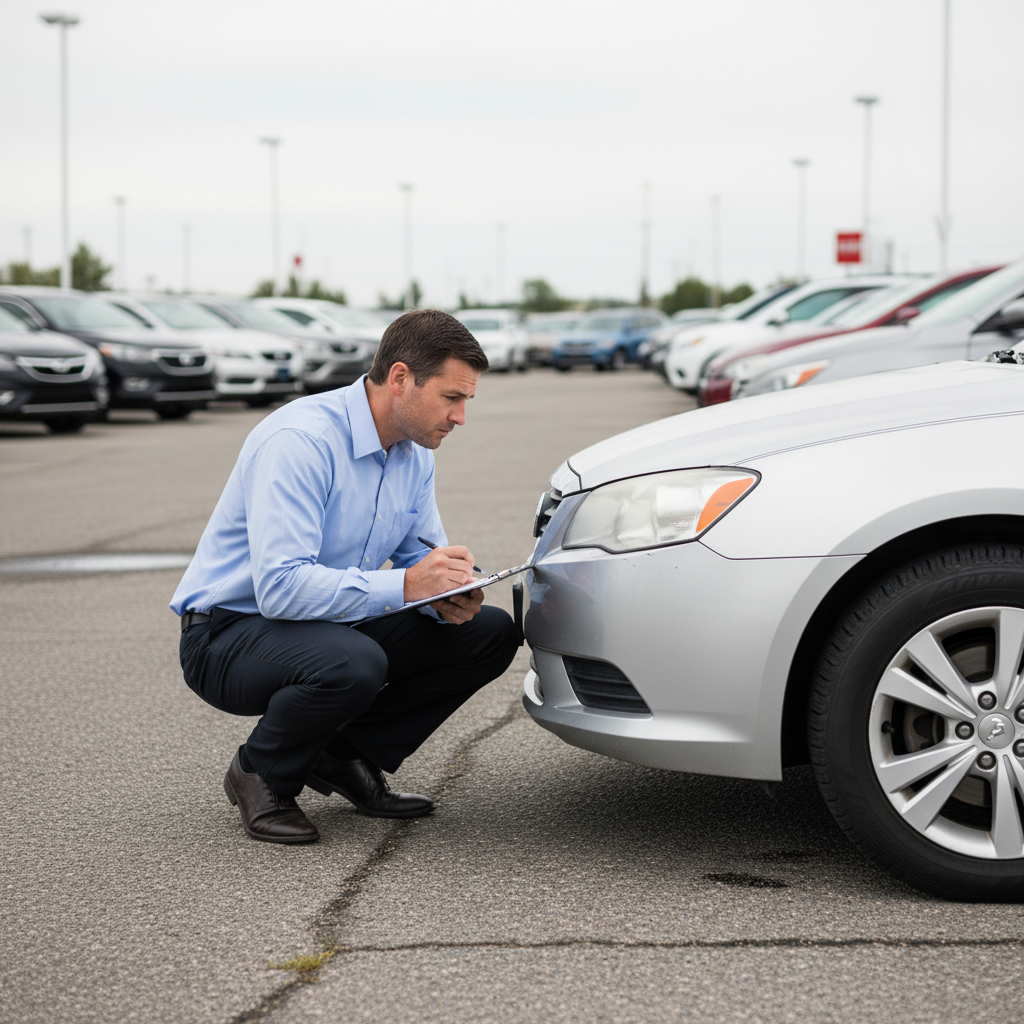
A few patterns show up often enough to be worth watching for. The seller has multiple vehicles listed at once, or a pattern of ads that reappear every few months with different vehicles. They want to meet somewhere other than a home address, often a parking lot or a location with no connection to where the vehicle is supposedly registered. They avoid putting their real name on the bill of sale, or the name on the bill of sale does not match the name on the vehicle's registration. They push hard for cash and discourage financing entirely, since a legitimate lender's paperwork requirements are exactly what makes a curbsider's setup harder to hide.
None of these on their own proves fraud, but a seller who checks two or three of these boxes at once is worth walking away from, regardless of how good the price looks.
Where to report a suspected curbsider in BC, Alberta, or Saskatchewan
Each province gives buyers somewhere to flag this. In British Columbia, the Vehicle Sales Authority regulates licensed dealers and takes complaints related to unlicensed selling activity. Alberta routes this through AMVIC, the Alberta Motor Vehicle Industry Council, which has direct authority over dealer licensing and investigates unlicensed sales activity in the province. Saskatchewan's Financial and Consumer Affairs Authority handles similar complaints alongside SGI, which oversees vehicle registration and can flag patterns tied to a specific individual reselling vehicles repeatedly. Reporting a suspected curbsider will not undo a bad purchase you have already made, but it can prevent the next buyer from walking into the same situation, and in some cases it supports a case if you do pursue recourse yourself.
Why curbsiders push buyers toward cash and away from financing
A financed purchase creates a paper trail: a bill of sale a lender reviewed, a VIN that gets checked, sometimes a lien registered against the vehicle in your name that becomes part of the public record. A curbsider generally wants none of that scrutiny, which is why cash-only deals are so common in these transactions. If a seller becomes noticeably resistant the moment you mention getting the vehicle financed properly, treat that resistance itself as information, not just an inconvenience to work around.
What provincial protection actually covers, and what it does not
British Columbia, Alberta, and Saskatchewan each regulate licensed motor vehicle dealers through their own consumer protection bodies, and each of those frameworks includes some form of compensation fund or recourse buyers can access when a licensed dealer misrepresents a vehicle. A curbsider, by definition, operates outside dealer licensing entirely, so none of that recourse applies. If something goes wrong, misrepresented condition, an undisclosed lien, a rolled-back odometer, you are generally left pursuing the individual directly, which is far harder when the seller used a fake name or has already stopped responding.
How financing properly actually protects you here
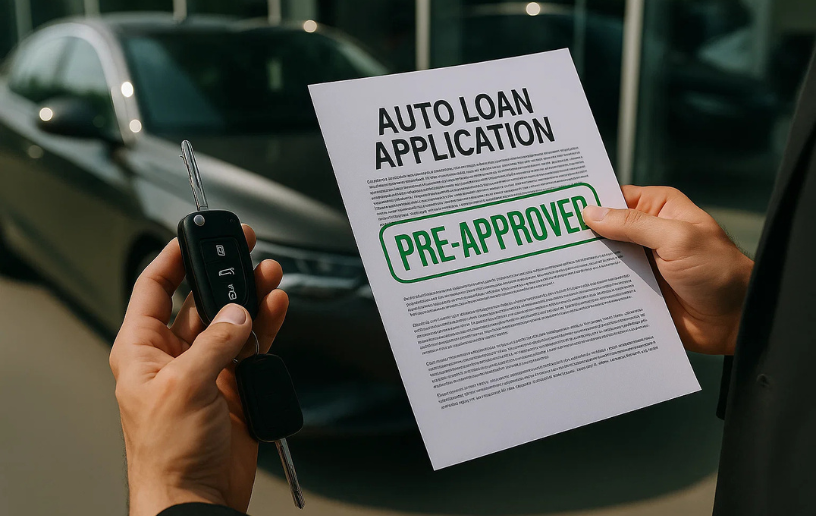
Insisting on financing a private-sale purchase the right way, rather than paying cash to speed things along, builds in a layer of verification a curbsider would rather avoid. A lender reviewing the bill of sale, VIN, and lien status before releasing funds is doing exactly the due diligence that catches most of the red flags curbsiders depend on buyers skipping. Odometer rollbacks are another pattern that shows up disproportionately in curbsider sales, since a seller moving several vehicles a year has more opportunity and more practice at it than someone selling their own car once. A vehicle history report that shows inconsistent recorded mileage across past registrations or inspections is one of the more reliable ways to catch this before you sign anything, and it is worth running regardless of how straightforward the seller seems in person.
The bottom line
A curbsider's entire business model depends on looking exactly like an ordinary private seller until it is too late to matter. Watch for the pattern, insist on proper financing and a lien check rather than a cash deal, and treat any pressure to skip that process as the clearest warning sign there is.
Auto Lending Canada finances legitimate private-sale vehicles for buyers across British Columbia, Alberta, and Saskatchewan, with the paperwork checks that help you avoid exactly this kind of situation. Start your application here before you hand anyone cash.