
Financing a Car From a Public Auto Auction in Canada
23 September 2026Public auto auctions look like a shortcut past dealer markups: wholesale-style pricing, hundreds of vehicles in one lot, and the appeal of buying at close to what a dealer itself would pay. What most first-time bidders do not realize until they are already standing in the lot is that financing one of these vehicles works differently than financing anything from a dealership or even a typical private seller, and figuring that out after you have already won a bid is the wrong time to learn it.
Not every auction is open to the public the same way
Canada has two broad categories of auto auction, and they matter a lot for financing. Dealer-only auctions, run by companies most drivers have never heard of, require a dealer license to bid and typically sell vehicles dealers are trading between themselves. You cannot access these directly as a private buyer. The auctions most people mean when they say "car auction" are public-access ones like Copart, IAA (Insurance Auto Auctions), Impact Auto Auctions, or municipal and government surplus sales, where anyone can register, pay a deposit, and bid, often through an online platform rather than in person.
These public auctions mostly move insurance write-offs, lease returns, repossessed vehicles, and fleet surplus. That mix is exactly why lenders treat them with more caution than a used car lot.
Where these auctions actually operate in Western Canada
Copart and IAA both run physical yards in British Columbia and Alberta, alongside their online bidding platforms, and Impact Auto Auctions operates locations that serve BC, Alberta, and Saskatchewan buyers, mostly moving insurance total-loss and recovered-theft vehicles. Municipal and RCMP surplus auctions also run periodically in all three provinces, typically selling fleet vehicles, seized property, and retired municipal equipment rather than salvage stock, which is a meaningfully different risk profile since these vehicles usually carry clean titles and documented maintenance history. Knowing which category a specific auction falls into before you register tells you a lot about what kind of financing conversation you are walking into.
Why lenders get more cautious with auction vehicles
A car loan is secured by the vehicle itself, so a lender is always thinking about what that car is actually worth as collateral if something goes wrong. Auction vehicles complicate that math in a few specific ways. Many carry a branded title, salvage, rebuilt, or irreparable, because they were previously written off by an insurer. A lot of lenders, including some mainstream banks, will not finance a salvage or rebuilt-status vehicle at all, regardless of how good the repair job looks, because resale value on a branded title is far less predictable than on a clean one.
Even when the title is clean, auction vehicles are usually sold "as-is," often without a test drive and sometimes without a full mechanical history. That is a very different risk profile than a used car with dealer certification or even a private sale where you can inspect the car yourself before agreeing to buy it, the way you would with financing a private-sale purchase.
The timeline problem no one warns you about
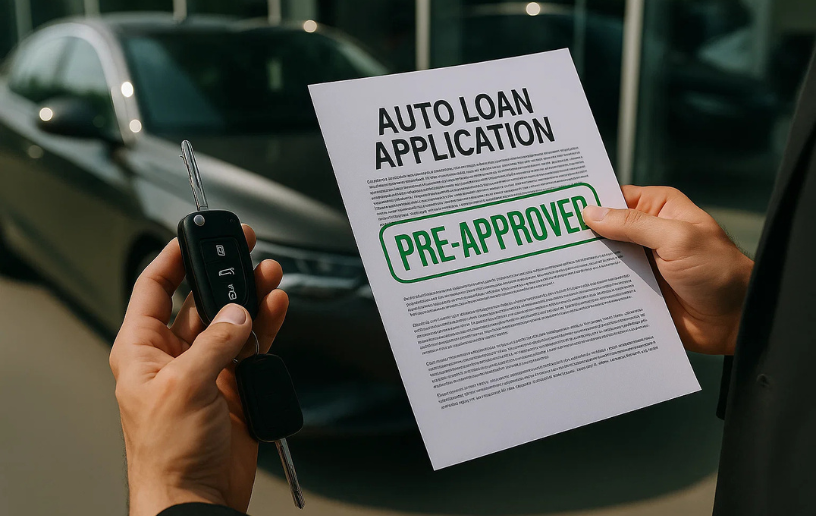
Most public auctions expect payment in full within a short window, sometimes 24 to 48 hours, and many require certified funds or a wire transfer rather than a personal cheque. That timeline does not leave room to shop for financing after you have won a bid. If you want to use financing at all, you need it arranged and confirmed before you ever register a bidder number, not after.
This is really the same principle behind getting pre-approved before negotiating with a private seller, just with a much tighter deadline attached. A lender needs to know roughly what kind of vehicle you are targeting, its likely price range, and whether the auction house or vehicle type is something they will actually finance, since some lenders exclude salvage-titled vehicles or specific auction platforms from their lending criteria entirely. Confirming that in advance saves you from winning a bid you cannot actually pay for.
What a lender will want to see
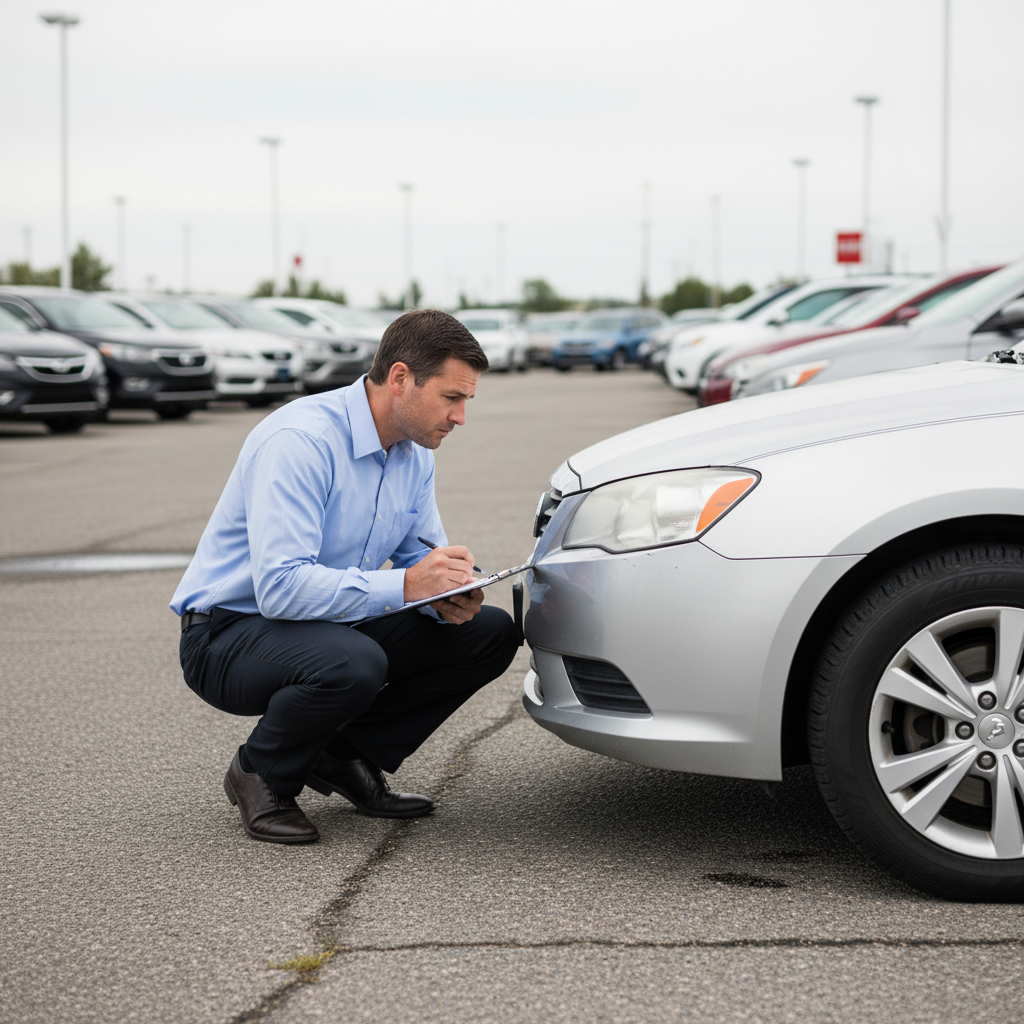
Assuming the vehicle and title status qualify, a lender financing an auction purchase will still want the basics: a bill of sale or auction invoice showing the final price including any buyer's premium or auction fees, the VIN, and often a recent vehicle history report. Because you typically cannot inspect the car before bidding the way you could with a private-sale vehicle, some lenders will also ask for a post-purchase inspection before releasing full funding, particularly on higher-value vehicles. Some public auctions also offer a short pre-bid inspection window, an hour or a single afternoon before the sale, rather than the days or weeks a private-sale buyer typically gets. That is enough time to check for obvious issues but rarely enough for the kind of full mechanical inspection a lender might otherwise expect, which is part of why post-purchase inspection requirements come up so often on auction-financed vehicles specifically.
A lien check is still worth running even on an auction vehicle, since a clean sale through the auction house does not automatically guarantee a lien was properly cleared before the vehicle was listed.
The buyer's premium is worth budgeting for separately. Auction houses typically add a fee on top of the winning bid, sometimes a flat amount, sometimes a percentage, and that fee is part of what you are financing, not an extra cost you pay outside the loan. Rolling it into your total without accounting for it upfront is a common way auction buyers end up surprised by their actual loan amount.
When it makes more sense to walk away from financing an auction buy
If a vehicle you are eyeing has a salvage or rebuilt brand and your lender will not finance branded titles, no amount of a good deal changes that math. The same goes for vehicles you genuinely cannot get any inspection or history on before bidding. A lower purchase price does not help you if the car needs thousands in repairs the auction listing did not disclose, or if you cannot resell or insure it the way you expected because of its title status. Auctions can absolutely be a legitimate way to buy below retail, but they work best for buyers who have already confirmed financing, checked the title status, and know exactly what they are bidding on rather than treating it as a lower-stakes version of a used car lot.
The bottom line
An auto auction can save you real money over a dealership, but the financing side needs to happen before you bid, not after, and not every vehicle you find there will qualify for a standard car loan. Confirm the title status, understand the payment timeline, and get pre-approved with a lender who has told you plainly what they will and will not finance from an auction.
Auto Lending Canada works with buyers across British Columbia, Alberta, and Saskatchewan on vehicles bought through dealerships, private sellers, and auctions alike. Start your application here before you register to bid.