Buying a Car From Another Province: How Financing and Registration Work in BC, Alberta, and Saskatchewan
22 September 2026Scroll far enough through Kijiji, Facebook Marketplace, or AutoTrader and you'll eventually find the same vehicle you're shopping for, listed a few thousand dollars cheaper, sitting in a province you don't live in. It's a tempting find, and it's a completely legal way to buy a car in Canada. It just adds a few steps that a local purchase doesn't, and getting the financing lined up before you commit matters more here than it does buying from down the street.
Why cars are sometimes cheaper in another province
Regional pricing differences are real and reasonably common. A vehicle that's abundant in one province, or less desirable there for climate or demand reasons, can sit priced lower than the same model where you live. Ontario and Quebec markets, in particular, sometimes show lower asking prices on certain vehicles than BC, Alberta, or Saskatchewan listings for reasons that range from local supply to different regional preferences. Whether the savings are worth the extra logistics depends on how big the gap actually is once you account for transport, inspection, and the time involved.
Financing a vehicle before you've physically seen it
This is where an out-of-province purchase differs most from a local one. Lenders generally still need the vehicle's details, year, make, model, VIN, mileage, and often a bill of sale or purchase agreement, before they'll finalize funding, the same as they would for any vehicle. The difference is you're usually arranging all of that remotely, sometimes before you've ever seen the car in person.
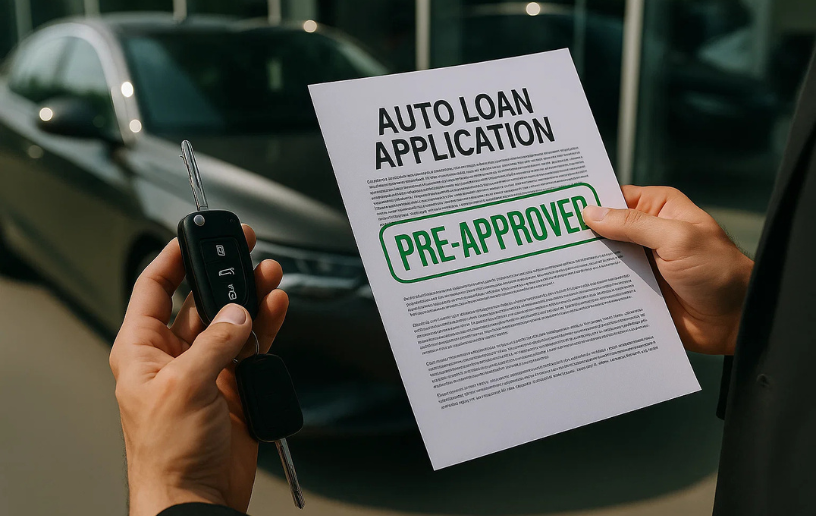
Getting pre-approved before you start seriously negotiating on an out-of-province listing gives you a real number to work with and shows the seller you're a serious buyer, which matters more in a long-distance deal where a seller can't simply hand you keys for a test drive on the spot. Final approval and funding still typically depend on the lender reviewing the actual vehicle details once you've agreed on a price, the same process as financing any private-sale vehicle, just with an added step of confirming the car's location and how it's getting to you.
Get a pre-purchase inspection arranged remotely
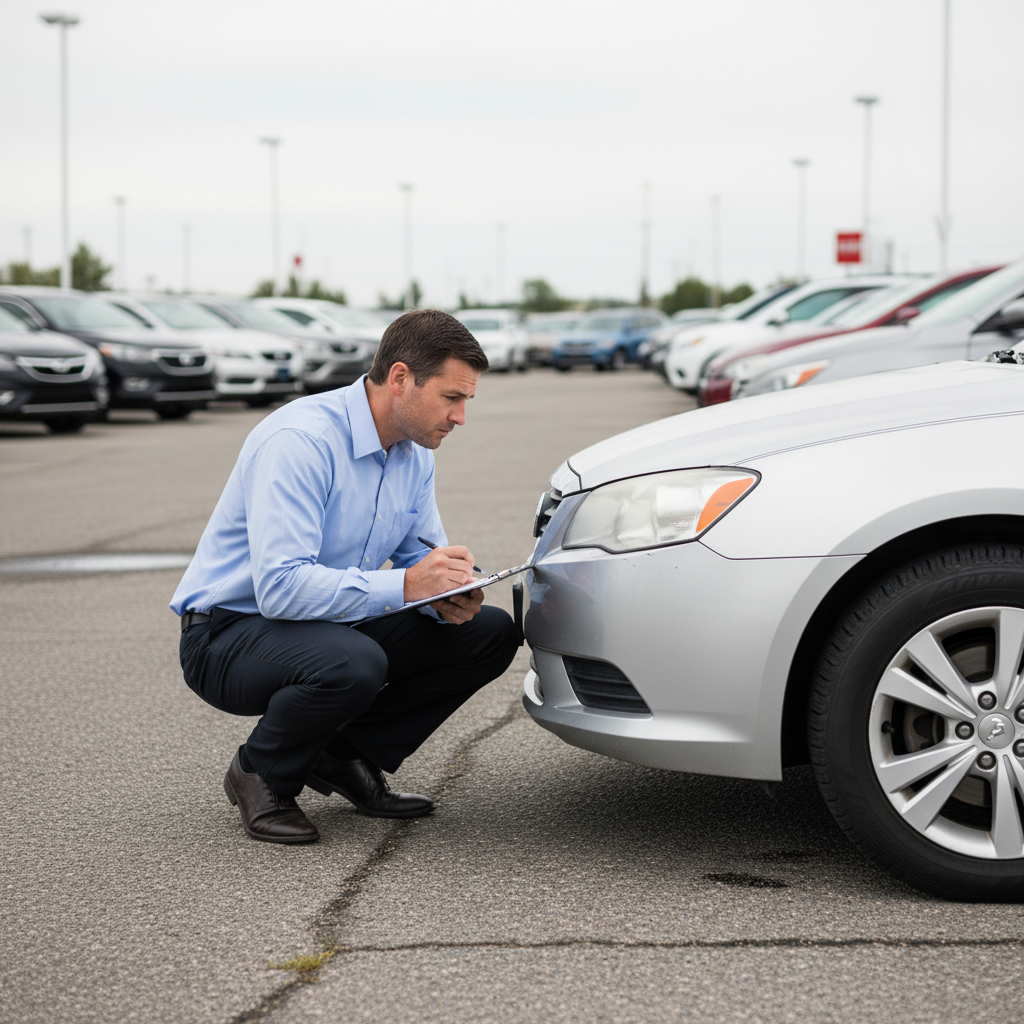
You can't walk around the car yourself before committing to buy it, so a third-party mechanical inspection in the vehicle's home province isn't optional the way it might feel optional on a local deal you can inspect yourself. Many inspection services in larger cities will do this for a flat fee and send you a full report with photos. Pair that with a proper lien check, since an outstanding lien follows the vehicle regardless of which province it's registered in, and a private seller in another province is just as capable of forgetting, or not disclosing, an existing loan balance as one down the street.
Getting the vehicle to you
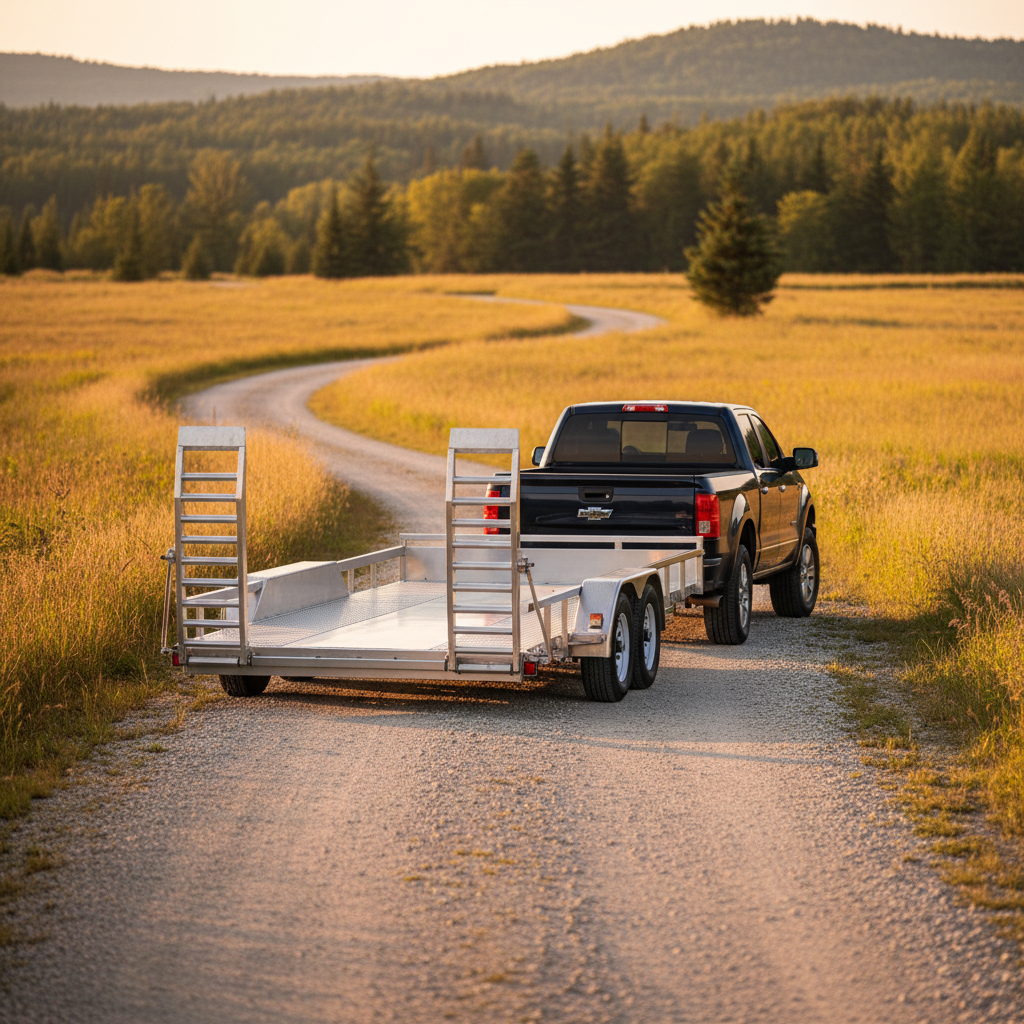
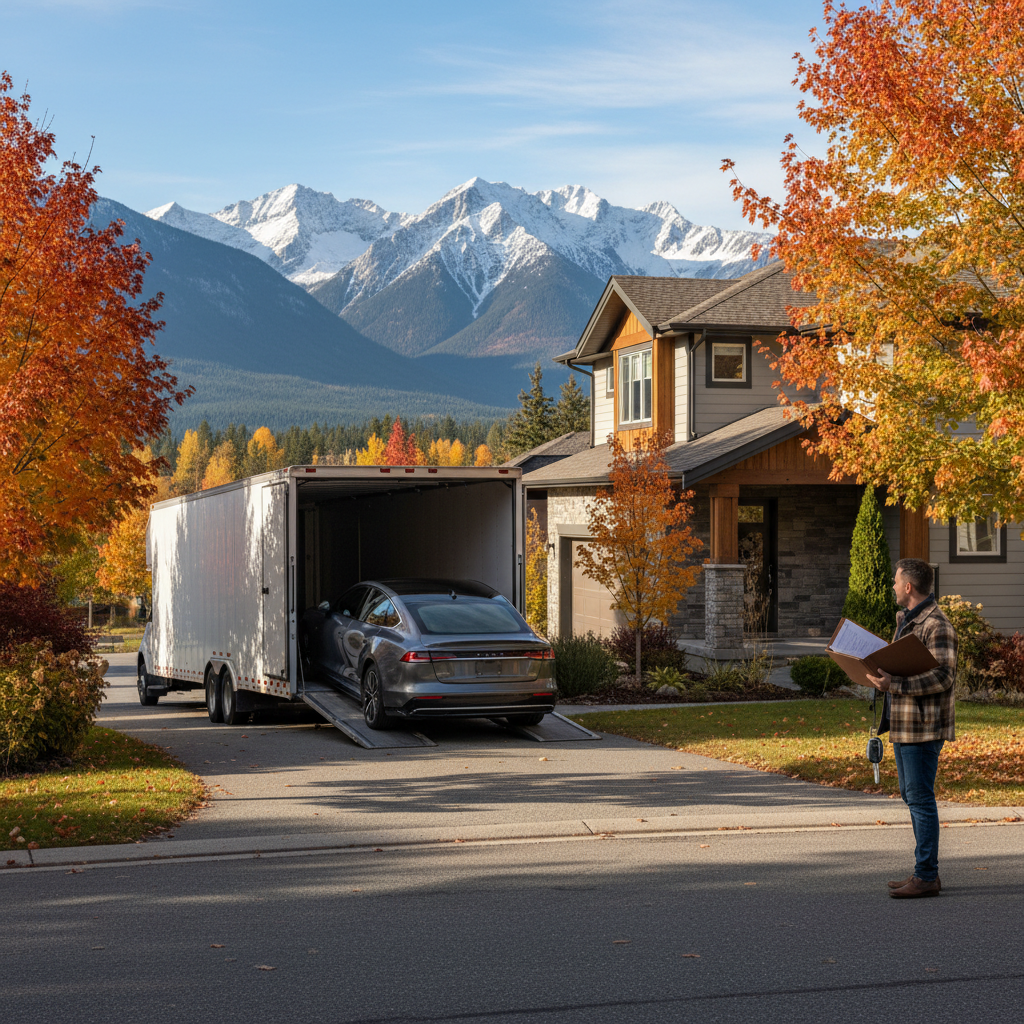
Once the deal is done, you're either driving it back yourself or paying for transport. A long-distance drive means arranging temporary insurance and a valid trip permit or interprovincial transit documentation before you leave the seller's province, since your home insurance policy generally won't cover a vehicle that isn't yet registered where you live. Enclosed or open car-hauler transport services are the other common option, particularly across a distance most people wouldn't want to drive in a vehicle they haven't had long-term experience with yet.
Provincial inspection and registration once it arrives
Every vehicle brought into BC, Alberta, or Saskatchewan from another province needs to go through that province's own out-of-province inspection before it can be registered and plated. In British Columbia, that means an ICBC out-of-province vehicle inspection. In Alberta, it's an out-of-province inspection through a registered inspection facility. In Saskatchewan, SGI requires its own inspection process for vehicles arriving from elsewhere in Canada. None of these are optional, and none of them happen automatically. You need to book them once the vehicle physically arrives, and the vehicle generally can't be legally driven on plates from its old province indefinitely while you sort this out.
Your lender may also want confirmation that the vehicle passed its provincial inspection before releasing full funding, since an inspection failure can affect what the vehicle is actually worth as collateral.
Where this can go wrong
The biggest risk isn't financing, it's timeline mismatches. Buyers sometimes commit to a purchase, arrange transport, and only then discover the vehicle needs repairs to pass their home province's inspection standards, repairs that weren't required to be roadworthy in the province it came from. Getting the inspection report and understanding your home province's specific requirements before you finalize the purchase avoids an unpleasant surprise after the car has already arrived and you're financially committed.
The bottom line
Buying a car from another province can be a legitimate way to save real money, but it adds inspection, transport, and provincial registration steps that a local purchase skips entirely. Line up financing and a remote pre-purchase inspection before you commit, and confirm exactly what your home province requires before the vehicle leaves its seller's driveway.
Auto Lending Canada finances vehicles for buyers across British Columbia, Alberta, and Saskatchewan, wherever the car is coming from. Start your application here before you commit to an out-of-province purchase.