Cheapest Electric Cars in Canada: Prices, Deals & Financing
25 October 2025Thinking about switching to an electric vehicle, but worried about cost? Good news: electric cars in Canada have never been more attainable, especially if you shop smart, compare trims, and stack the right incentives and financing.
This guide walks you through the most affordable electric cars in Canada right now, what they really cost out the door, how rebates and financing shape the numbers, and the smart ways to keep your total cost of ownership under control.
Why Electric Cars Are Worth It in 2025
EVs aren’t just about being “green” anymore; They’re about predictability and savings.
- Lower running costs: Charging at home overnight can cost less than one-third of what you’d spend on gas for the equivalent distance.
- Less maintenance: With no oil changes, spark plugs, or exhaust systems, annual service bills are dramatically lower.
- Stable commute costs: When gas prices spike, your electricity bill doesn’t. That stability matters when budgeting month to month.
When you pair these savings with a smart loan term or low-rate financing, your total monthly cost often matches or beats a similar gas model.
Defining ‘Budget’ in Today’s EV Market
The word “budget” in 2025 doesn’t mean $25K anymore. Due to battery costs and global tariffs, most entry-level EVs in Canada sit in the low-to-mid $40,000 range for hatchbacks or compact sedans, and upper $40Ks to low $50Ks for small SUVs.
But that’s before rebates, dealer incentives, and financing offers. The smart way to think about “affordable” is through the total ownership cost—not just sticker price. Battery size, charging speed, trim features (heat pump, advanced driver assists), and even port standards (CCS vs NACS), can shift pricing quickly. Always focus on the out-the-door figure—what you’ll actually pay after freight, PDI, and taxes.
A List of Canada’s Most Affordable EVs
Below are widely available models that regularly show up on “cheapest” lists or carry entry MSRPs that keep them within reach. Always confirm current pricing and availability with local dealers.
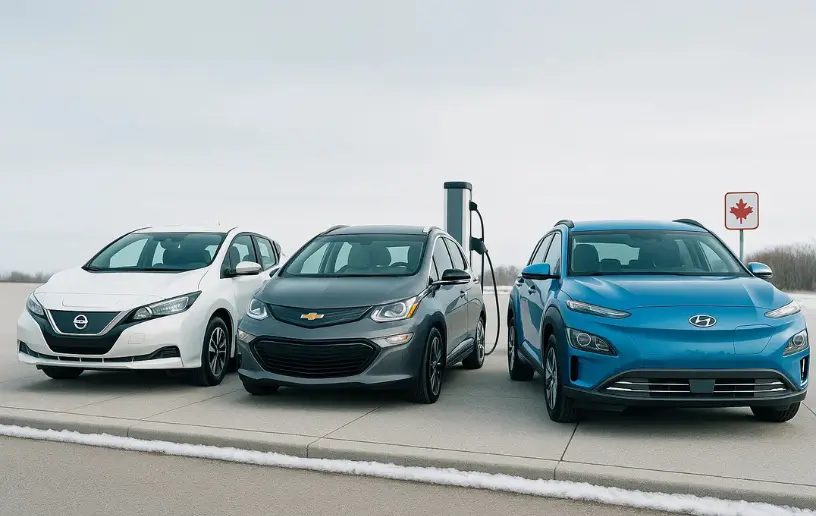
1) Nissan Leaf (2025)

Starting MSRP: Around $41,748 for SV trim
Range: Up to 342 km depending on trim
Why it’s here: Still one of the most accessible and proven EVs in Canada, the Leaf balances simplicity with reliability.
Best for: Urban and suburban commuters who value predictable costs and a smooth drive.
Watch for: The CHAdeMO charging port is becoming less common—check for adapter availability before long trips.
2) Hyundai Kona Electric (2025)
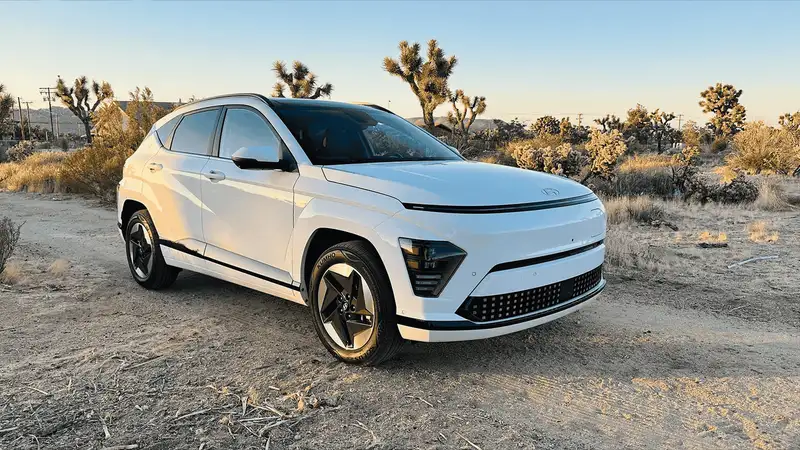
Starting MSRP: Around $46,499 for the Preferred trim
Range: Up to 420 km (estimated)
Why it’s here: The Kona Electric combines small-SUV practicality with excellent efficiency and range. Hyundai’s transparent pricing tools and in-stock dealer promos often make it one of the most attainable EV SUVs in Canada.
Best for: Families or commuters who want crossover versatility with a compact footprint.
Watch for: Trim “creep” - higher trims add comfort features but can push the price beyond the affordability zone. Focus on the essentials like the heat pump and heated seats for Canadian winters.
3) Chevrolet Bolt EV
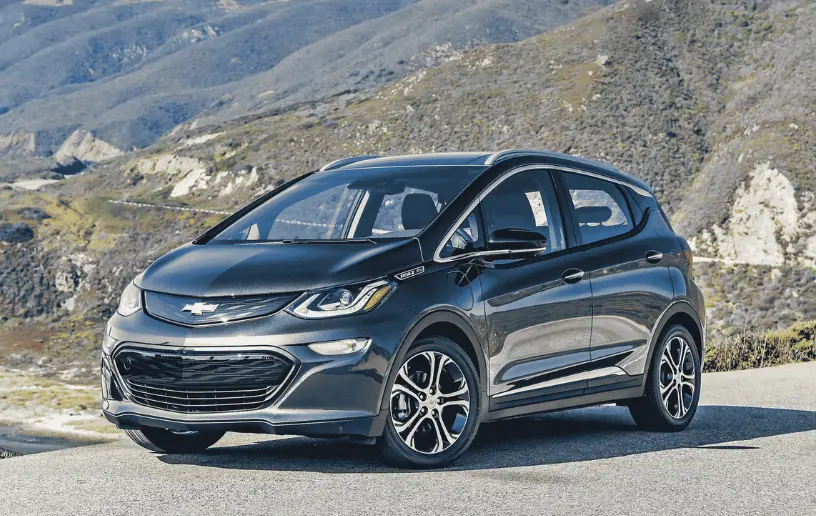
Starting MSRP: Expected around $39,999
Range: Approx. 410 km (estimated)
Why it’s here: The Bolt remains a top pick for value hunters thanks to its long range, strong tech package, and nimble handling. The 2025 relaunch brings a modernized interior and updated battery chemistry for improved efficiency.
Best for: Drivers wanting near-premium range without crossing the $40K line.
Watch for: Early allocations may be limited in major cities; confirm delivery timelines and included charging hardware with your dealer.
4) FIAT 500e (2025)
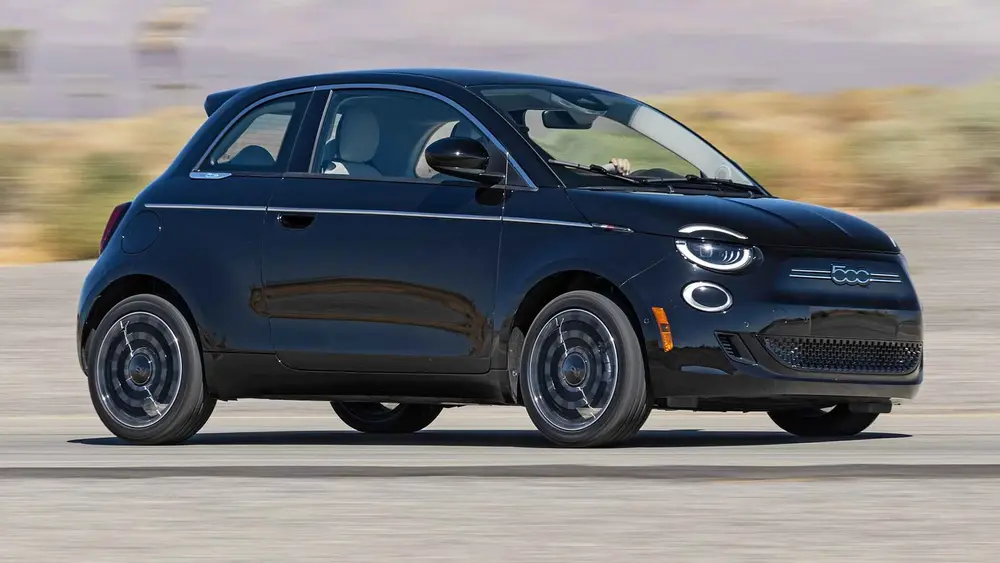
Starting MSRP: Around $39,995–$42,000, depending on trim
Range: About 227 km (city-focused range estimate)
Why it’s here: The stylish, city-ready 500e brings Italian flair to the affordable EV segment. It’s compact, fun to drive, and ideal for short urban commutes or second-car households.
Best for: City dwellers looking for a compact EV that’s easy to park, efficient to run, and genuinely fun.
Watch for: The smaller battery limits highway range; this is best as a city or suburban commuter vehicle rather than a long-distance cruiser.
5) Kia Niro EV (2025)

Starting MSRP: Around $47,000–$49,000, depending on trim and options
Range: Up to 407 km (estimated)
Why it’s here: The Niro EV delivers SUV-like comfort and solid range while remaining within reach for many buyers after rebates. Its interior quality, roomy cabin, and driver-assist features make it a standout in the affordable EV crossover category.
Best for: Buyers who want more space than a hatchback without moving into luxury-EV territory.
Watch for: Some trims may overlap with Kona Electric pricing—compare equipment lists carefully before deciding.
Used EVs: The Smart Shortcut to Savings
If you’re after the most affordable way to go electric, a used EV is often the smartest shortcut. Many late-model electric cars in Canada—like the Nissan Leaf, Hyundai Kona Electric, and Chevrolet Bolt—have proven reliability, predictable range, and drop thousands off the original sticker price. Typical used EV prices now fall in the $20,000–$35,000 range, depending on mileage, battery size, and trim.
Why Used EVs Make Financial Sense
Buying pre-owned lets you sidestep the biggest hit in depreciation, which happens in the first three years. EV batteries are engineered to last 8–10 years (often backed by warranties of 160,000 km or more), so a well-maintained three or four-year-old EV can deliver excellent range and value. For many Canadian drivers, that’s the difference between wanting an electric car and owning one today.
What to Check Before Buying a Used EV
1. Battery State of Health (SOH)
This is the most important data point when evaluating a used electric car. Ask for a battery health report, which shows the current capacity of the battery versus its original state.
- 90%+ SOH: Excellent, expect near-new range.
- 80–90% SOH: Typical for a few years of use; range loss will be modest.
- Below 75% SOH: Expect noticeable range reduction—factor this into price negotiations.
If the seller can’t provide SOH data, most EV service centers or dealerships can run the test for a small fee.
2. Fast-Charging History
Frequent DC fast charging isn’t automatically bad, but a balanced mix of Level 2 and DC charging suggests gentler use. Excessive high-power sessions can accelerate battery wear, so reviewing charging history gives you a clearer picture of how the car’s been treated.
3. Warranty Balance
Most EVs carry 8-year / 160,000 km battery warranties, which often transfer to the next owner. Confirm both battery and powertrain coverage to avoid unexpected costs later.
4. Service Records and Software Updates
Ask for a full service log. Check that all recall or software updates—especially those improving battery management or charging systems—have been completed.
5. Physical Inspection
Inspect tires and brakes for uneven wear (instant torque can be hard on them), and confirm that all charging cables and accessories are included.
How Canadian Winters affect Range (and Your Budget)
All EVs see range loss in the cold, typically 15–35% depending on speed, terrain, HVAC use, and tire choice. Planning for this keeps your electric car cheap to run.
Cold-Weather tips
- Pre-condition while plugged in: Warm the cabin and battery before you unplug.
- Use seat/steering heat: More efficient than blasting cabin heat.
- Eco drive modes & tire pressure: Small changes add up over a winter.
- Route with DC fast chargers: Especially useful for compact, small electric cars in Canada on longer trips.
If winter is a big concern for your commute, look for heat-pump HVAC (where available). It helps with efficiency on many electric cars in Canada. For charging basics and to map routes, use Natural Resources Canada’s official EV charging pages and Canada-wide station locator.
Financing Your EV (and Keeping Payments Manageable)
At Auto Lending Canada, we make it easy for drivers across the country to step into electric ownership with confidence. Whether you’re comparing your first EV or upgrading from a gas model, smart financing is what keeps your monthly budget in check. Getting pre-approved early helps you see your real numbers upfront — total price, estimated payments, and loan options, so you can shop within a clear comfort zone.
How to Structure an Affordable EV Loan
The right financing plan turns a good EV price into a great long-term deal. Here’s how to set it up smartly:
1. Choose the right loan term
Longer loan terms like 72 or 84 months lower your monthly payment, but they stretch out total interest. A 60 or 72-month term usually hits the balance between affordability and equity growth.
Example:
A $45,000 EV financed at 6.49% for 72 months = about $740/month.
The same car at 5.99% for 60 months = around $875/month, but saves nearly $2,000 in total interest.
2. Add a down payment (even a small one)
Putting 5–10% down not only reduces your principal but can help you qualify for a better rate. It also lowers your payment-to-income ratio — something lenders value when approving loans.
3. Compare insurance before signing
Insurance premiums can vary by model, even within the same brand. Before finalizing your loan, get quotes for your shortlisted EVs (e.g., Leaf vs. Kona Electric). Some models qualify for green-vehicle discounts with certain insurers.
4. Leverage your trade-in
Always get two valuations — one from the dealer and one from an online car buyer. Use the higher number to negotiate. Rolling negative equity from your old car into the new loan can inflate monthly payments, so negotiate cleanly when possible.
5. Charge smarter, save monthly
Home charging costs can swing depending on your utility plan. Many provinces offer off-peak electricity rates between midnight and 6 a.m. Setting your EV to charge during that window can reduce energy costs by 30–40% over time.
Incentives & Rebates on EVs in Canada
As of 2025, many of the largest savings on electric vehicles in Canada now come not from the federal purchase incentive, but from provincial programs, utility rebates and manufacturer or dealer financing offers. While the federal iZEV Program has ended, there is still strong support available for buyers via provincial programs.
- Always check the current eligibility criteria in your province — vehicle MSRP caps, model year limits and required dealer registration vary.
- Look for bundled offers: Some rebate programs pair with home-charger installation rebates or off-peak utility plans.
- Ask your dealer which provincial rebate (if any) applies to the specific model you’re buying, as eligibility may differ by trim or year.
Example: Rebate Levels by Province
| Province | Approximate Maximum Rebate* | Notes |
| British Columbia | Up to $4,000 | For new eligible BEVs via Clean BC |
| Quebec | Up to $7,000 | On eligible new battery-electric vehicles |
| Nova Scotia | Up to $3,000 | For new qualifying BEVs and PHEVs |
* These figures are illustrative — always verify the latest amounts with your provincial program.
Total Cost of Ownership & Real Monthly Costs of EVs
When people ask if electric cars are cheaper to own, what they’re really asking is: “What will it cost me each month to drive one?” The truth is, while EV sticker prices can look higher upfront, the total cost of ownership (TCO) often ends up lower once you factor in savings from fuel, maintenance, and predictable charging costs.
Why Total Cost of Ownership Matters
Electric cars flip the usual math of car ownership. You might pay slightly more on day one, but you spend far less keeping it running. Over a few years, those savings can easily outweigh the initial difference, especially if you charge at home or drive regularly.
Your Real EV Cost Includes
Use this quick checklist to evaluate the true cost of your electric car:
1) Purchase price - After rebates, dealer discounts, and taxes
2) Charging cost - whether you charge at home, at work, or publicly
3) Insurance premiums - vary by model and province
4) Maintenance & tires - fewer moving parts, less routine service
5) Depreciation - depends on brand demand and battery health
6) Financing interest - your APR and term impact total lifetime cost
When you add these up, you’ll find that EVs can compete closely or even win against comparable gas vehicles on total cost.
Real-World Example: A Typical Monthly Breakdown
Let’s say you drive about 1,200 km per month (roughly 40 km a day), a common commute in many Canadian cities.
| Cost Category | Typical Monthly Cost (EV) | Typical Monthly Cost (Gas Car) |
| Energy/Fuel | $40–$50 (home charging) | $150–$200 (gas) |
| Maintenance | $15–$25 | $60–$80 |
| Insurance | $100–$130 (varies by model) | $100–$130 |
| Total Running Cost | $160–$200/month | $300–$400/month |
Even if your EV payment is slightly higher, those monthly running-cost savings usually make up the difference and continue every year you own it.
Public-Charging Strategy (So Road Trips are easy)
- Know your connectors: Many newer models use CCS or NACS; double-check adapters if your car uses CHAdeMO (e.g., certain Nissan Leaf trims).
- Speed matters: A station listed at 150 kW doesn’t guarantee your car will pull 150 kW; your vehicle’s max rate and battery temperature decide the peak.
- Budget line: Add a small monthly public-charging number, especially if you’re chasing the cheapest EV car but don’t have home power every night.
Insurance & Depreciation of EV Cars
- Trim choice: Active safety features sometimes reduce premiums. Big wheels can increase tire and replacement costs.
- Depreciation: Popular models with strong charging networks (or long battery warranties) tend to keep their value better. This is why some shoppers pick a high-demand model, even if it’s not the absolute cheapest electric car on day one. It can be the best inexpensive electric car for 4–6 years.
7 Buyer Mistakes to Avoid (If You Want the Best EV Deal in Canada)
Whether you’re buying new or used, these are the most common electric car mistakes Canadian buyers should avoid:-
1. Ignoring the Out-the-Door (OTD) Price
The MSRP is just the starting point. Always ask for an out-the-door quote that includes freight, PDI, admin fees, accessories, and taxes. Two cars with the same sticker price can differ by $1,500–$3,000 once fees are added.
2. Skipping Insurance Quotes
Insurance costs vary wildly between EV models. A compact hatchback like a Leaf or 500e might be far cheaper to insure than a higher-trim SUV.
3. Over-buying Range
Many buyers pay for a range they’ll never use. If you drive under 60 km a day, a 300 km-range EV already gives you multiple days between charges.
4. Neglecting Winter Preparation
Range typically drops 15–30 % in Canadian winters. Pre-heat your cabin while plugged in and use seat warmers instead of blasting the heater.
5. Ignoring Charging Access Rules (Condos & Apartments)
Condo boards and property managers often have unique EV policies. Before buying, confirm where you’ll charge, who pays for the power, and how billing works.
6. Forgetting to Compare Lenders
A 1 % lower APR can save you thousands over a 5 or 6-year loan. Always compare bank, credit-union, and dealership financing before deciding. Get pre-approved now to check your eligible offers at Auto Lending Canada
7. Assuming All Chargers Are Equal
A “150 kW” station won’t charge your car at 150 kW unless your vehicle supports it. Check your car’s maximum charge rate and plan accordingly.
Ready to Make the Switch?
By now, you’ve seen the numbers — electric cars in Canada aren’t just cleaner, they’re smarter buys. Whether you’re eyeing a new Hyundai Kona Electric for your daily commute or a used Nissan Leaf to keep things simple, the right financing plan can make your move to electric easy from day one.
At Auto Lending Canada, we help drivers across the country get pre-approved in minutes, compare lenders, and understand what fits their lifestyle best — no stress, no hidden fees, no surprises.
Start here: Auto Lending Canada | Apply in Minutes
Your Next Read:-
Tesla Canada: Models, Pricing & EV Incentives — 2025 Guide – A quick way to sanity-check Model 3/Y pricing changes, incentive history, and how those shifts affect out-the-door math.
Popular Car Brands in Canada: Buying Guide (includes EVs & Hybrids) – If you’re cross-shopping gas, hybrid, and electric cars in Canada, this guide helps you align brand, budget, and features.