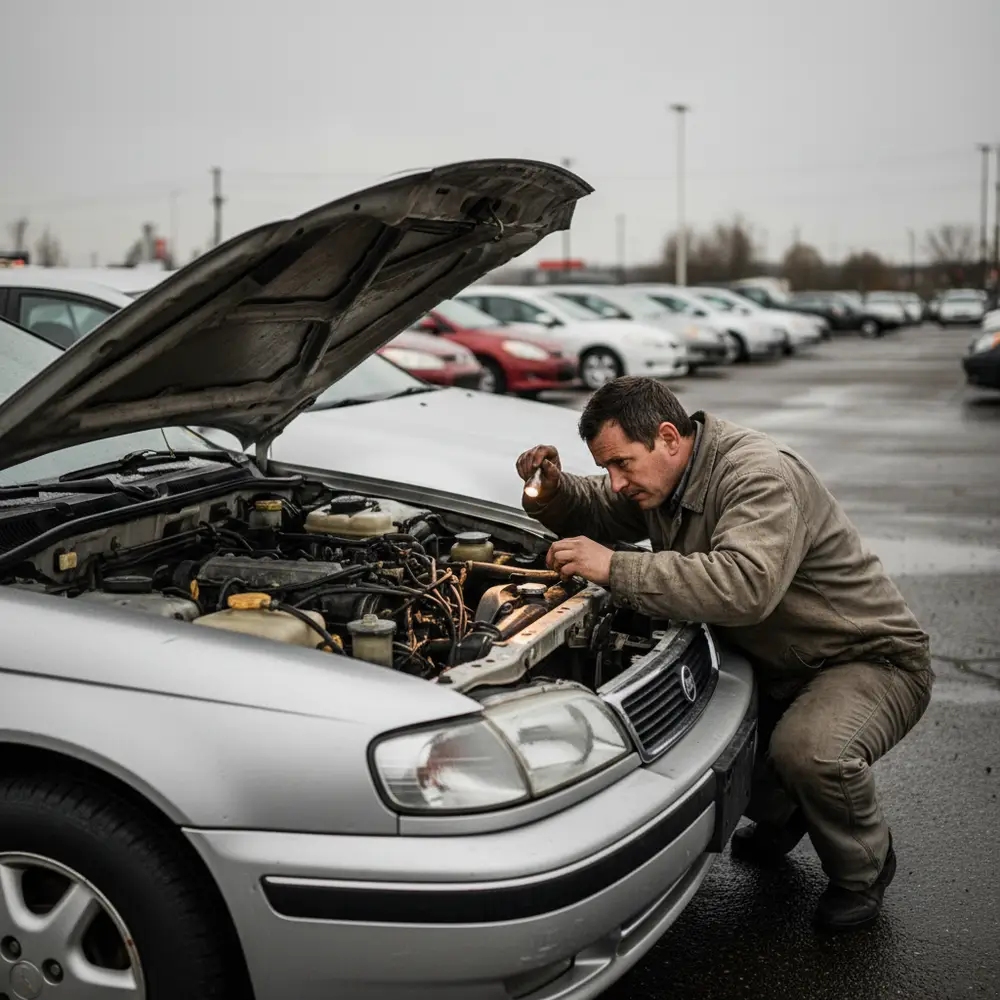
The Pre-Purchase Inspection Checklist Before You Finance a Used Car in Canada
10 October 2026Here's a scenario we see constantly: someone finds a decent-looking used car, gets approved for financing, and signs papers the same afternoon, only to find out three weeks later that the timing belt is overdue or the rear subframe has rust holes you could lose a finger in. None of that shows up on a test drive around the block. A pre-purchase inspection catches it before you've signed anything, and it costs a fraction of what the surprise repair does.
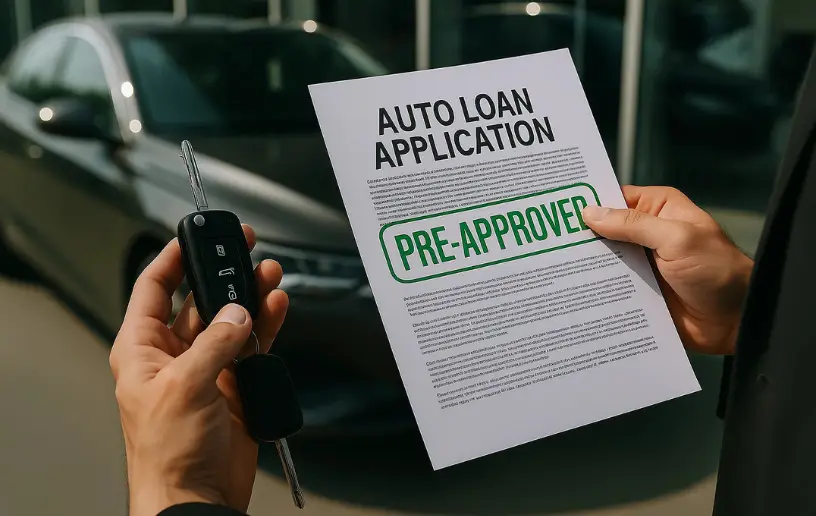
If you're financing, this matters even more than if you're paying cash, because you're stuck with the loan long after any problems show up. You can get pre-approved here so you know your budget before you start shopping, which also means you're not rushed into skipping the inspection because the seller has another buyer lined up.
What a pre-purchase inspection actually is
It's a paid, independent mechanical check, usually 100 to 200 dollars, done by a shop that has no stake in whether you buy the car. That last part is the whole point. A dealership's own service department checking its own inventory isn't the same thing, and a quick walk-around by the salesperson definitely isn't either. You want someone who gets paid the same amount whether you buy the car or walk away.
Most inspections take 45 minutes to an hour and include a test drive, a lift inspection, a scan for stored diagnostic codes, and a written report. Some shops photograph problem areas so you have something concrete to negotiate with or to show a different mechanic.
What actually gets checked
A real inspection covers more ground than most buyers expect:
- Frame and underbody for rust, previous accident repair, or structural damage, especially relevant on anything that's spent winters on salted roads.
- Engine and transmission for leaks, unusual noises, and whether maintenance like timing belts or transmission fluid changes are overdue based on mileage.
- Brakes and suspension, including pad thickness, rotor condition, and whether struts or bushings are worn.
- Tires, checking wear patterns that can point to alignment issues or a bent component.
- Electrical systems, including the battery, alternator output, and anything throwing a warning light.
- Diagnostic scan for stored codes, even ones that aren't currently lighting up the dash. A code that was cleared right before you looked at the car is a red flag worth asking about directly.
If the car has an accident history or you're buying from a private seller, pair the mechanical inspection with a vehicle history report. Our VIN check and car history guide covers what those reports actually show, and what they don't.
Who to book it with
CAA offers inspections in most provinces and has no incentive to find or hide problems. Independent mechanics work too, provided they're not affiliated with the seller. Mobile inspection services will come to the seller's driveway, which is useful for private sales where the car isn't going anywhere near a shop. Avoid anyone the seller suggests, even if they insist it's just for convenience.
Dealership lots sometimes resist letting you take a car offsite for inspection. That resistance is itself useful information. A seller confident in the vehicle's condition rarely has a problem with you confirming it.
Private sale versus dealership: does it matter here?
It matters more on a private sale, honestly, because there's no dealership reputation or provincial dealer bond backing the transaction if something goes wrong. If you're financing a car you found through a classified ad or marketplace listing, read our guide on financing a private sale vehicle alongside this one, since lenders look at private sales a bit differently and the inspection carries more weight in that approval.
Certified pre-owned programs already include a dealer inspection, but it's still done by people with an interest in the sale going through. If the vehicle is expensive enough or the CPO claims seem inconsistent with the car's age and mileage, a second independent look is cheap insurance. Our piece on certified pre-owned financing covers what the CPO label actually guarantees versus what's just marketing.
What to do with a bad report
A bad inspection doesn't automatically mean walk away. It means you now have real numbers to work with. A $600 repair estimate is a legitimate reason to ask the seller to either fix it, knock the price down, or let you walk without hard feelings. What it should never do is get waved off because you've already mentally moved into the car. That's exactly the moment financing becomes risky, because you're borrowing against a vehicle you haven't actually evaluated honestly.
If multiple inspections across different vehicles keep turning up odometer inconsistencies or accident history that wasn't disclosed, that's a pattern worth taking seriously, not bad luck. Our guide to VIN cloning in Canada explains one of the uglier versions of this problem and how an inspection combined with a VIN check catches it early.
A short checklist before you book
- Confirm the shop has no relationship with the seller or dealership.
- Ask specifically for a diagnostic scan, not just a visual check.
- Get the report in writing, photos included if the shop offers them.
- Book it before you fall in love with the car, not after.
- Budget the inspection fee as part of your total buying cost, not an optional extra.
Get started
A clean inspection report also helps your financing application, since lenders like seeing a vehicle that's been properly vetted. Auto Lending Canada works with buyers across BC, Alberta, and Saskatchewan to get financing sorted before you're standing in a parking lot under pressure to decide. Start your application here.