
Certified Pre-Owned Car Financing in Canada: How CPO Rates Actually Compare
22 September 2026Certified pre-owned listings usually cost more than an identical car without the certification. Buyers see that markup and assume they're paying for a sticker. What they're often missing is that the certification changes the financing too, not just the inspection report, and that difference can matter more than the price gap on the windshield.
What "certified pre-owned" actually means
A CPO vehicle has gone through a manufacturer-defined inspection process, usually well over 100 points, and comes with an extended warranty backed by the manufacturer rather than a third party. It also typically has to meet age and mileage cutoffs to qualify in the first place, often under 6 years old and under 100,000 km, though the exact numbers vary by brand. A regular used car at the same dealership might be mechanically identical. It just hasn't gone through the paperwork and inspection that earns the CPO label, and it doesn't carry the manufacturer-backed warranty extension.
That distinction is what lenders actually price against. A used vehicle loan is priced heavily on the car itself, since the car is the collateral. A CPO vehicle carries a documented inspection history and a warranty that reduces the lender's exposure if something expensive breaks in year three or four. That lower risk shows up as a real difference in the rate you're offered, not just a marketing point.
Why CPO financing tends to price better than standard used financing
A few things stack in your favor with a certified vehicle:
The age and mileage caps required for certification put CPO vehicles automatically into a lender's lower-risk bracket, the same bracket that also gets better rates on non-certified vehicles of a similar age. The manufacturer-backed warranty reduces the odds of a costly repair derailing your ability to keep making payments, which matters more to a lender than it might seem. And several manufacturers run their own captive finance arms for CPO vehicles specifically, sometimes with promotional rates that beat what an independent or bank lender would offer on the same car without certification.
None of that means every CPO loan beats every standard used loan automatically. It means the odds are stacked in that direction, and it's worth actually comparing the numbers rather than assuming either way.
The math that actually decides it
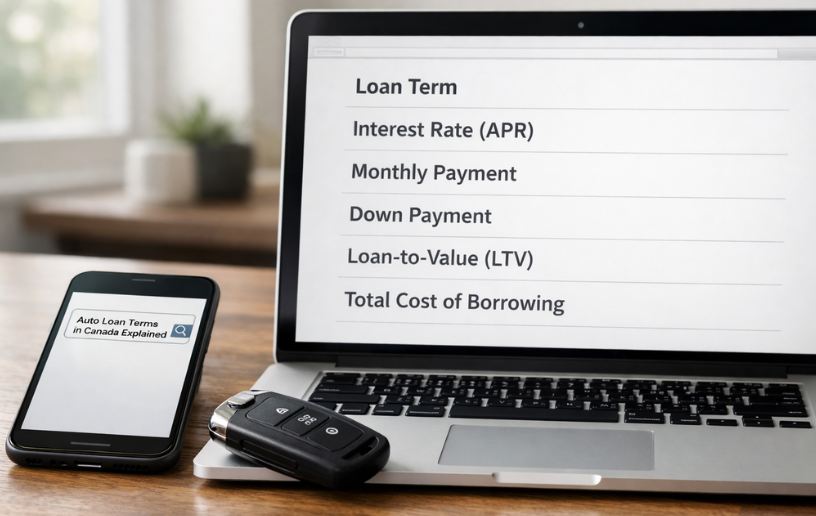
Say a certified vehicle is listed $1,800 higher than a nearly identical non-certified one on the same lot, same year, same trim, similar mileage. If the CPO rate comes in a point and a half lower over a 60-month term, that gap in the interest rate can offset a meaningful chunk of the price premium over the life of the loan, sometimes most of it. Run both scenarios through a proper car loan payment calculation before deciding, using the actual quoted rate for each option rather than a rough estimate. The certification is really only worth the premium when the total cost over your loan term, price plus interest, comes out close to or better than the non-certified alternative, factoring in what the extended warranty would otherwise cost you to buy separately.
If you're planning to pay the loan off early or keep the term short, the interest savings from a better rate shrink fast, which tilts the math back toward whichever car costs less upfront.
Where CPO financing gets more complicated
Not every lender treats CPO status the same way. Some price it as a straightforward improvement over the used-vehicle risk tier. Others only apply the better rate when you finance through the manufacturer's own captive lender, and offer their standard used-vehicle rate if you finance the same certified car through a bank, credit union, or direct lender instead. That's worth asking about directly before you assume a quoted "as low as" CPO rate applies to whichever lender you end up using.
It's also worth checking exactly what the certification warranty covers and for how long, since coverage varies a lot between manufacturers. A CPO warranty that only adds a year beyond what a strong non-certified used car would already have left on its factory coverage isn't adding much. One that extends coverage by three or four years changes the risk picture more meaningfully, both for you and for the lender pricing your loan.
How your credit still factors in
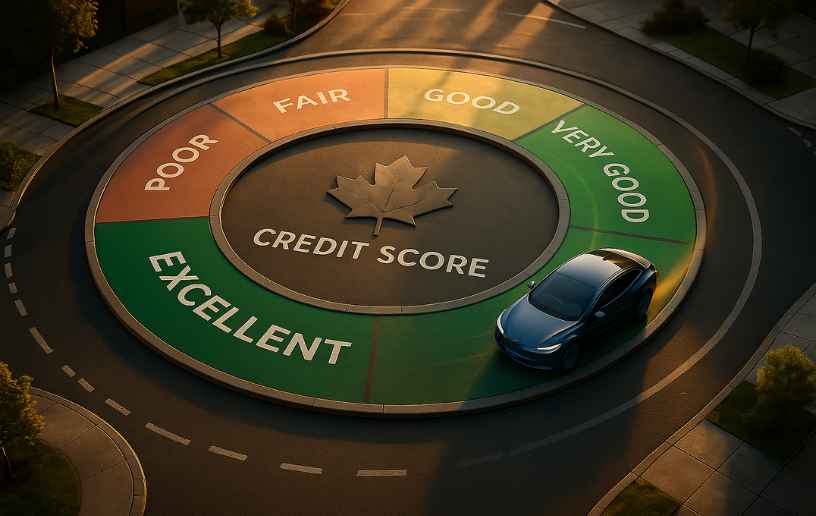
CPO status improves the collateral side of the equation, but it doesn't override your credit profile. A buyer with strong credit sees the biggest benefit from certification, since they're already qualifying for competitive rates and the CPO discount stacks on top. A buyer working with a lower credit tier will still see some benefit from the reduced collateral risk, but it won't fully offset a weaker credit file the way it can for a stronger one. If your credit needs work before you shop, that's still the higher-leverage move, certified vehicle or not.
Getting pre-approved before you shop CPO listings
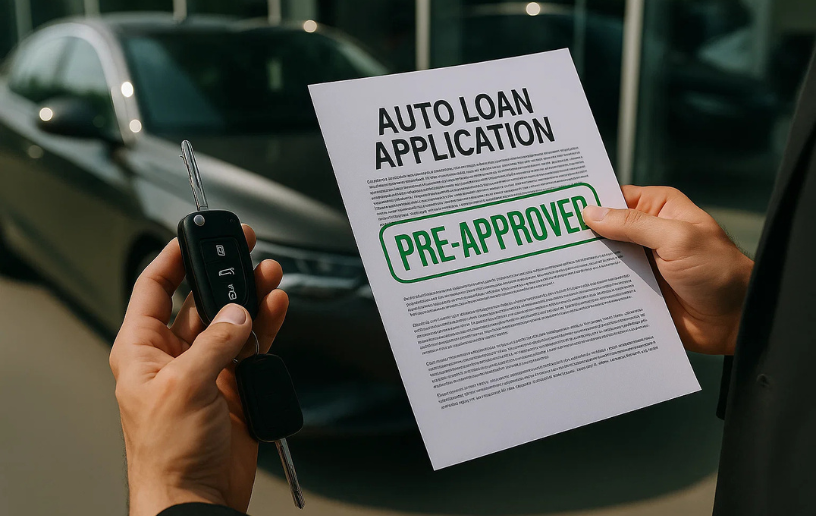
Because CPO pricing structures vary so much by manufacturer and by lender, walking in with a real pre-approval rather than a rough estimate gives you an actual number to compare against whatever rate the dealership's finance office quotes for the certified vehicle. That way you're not relying on a dealer's word that the CPO rate is your best available option. You're comparing it against a number you already know you qualify for.
The bottom line
Certified pre-owned vehicles usually come with better financing than an equivalent non-certified used car, not because the label itself matters to a lender, but because the age caps, inspection, and warranty behind it genuinely reduce the risk the lender is pricing. Whether the certification premium is worth paying comes down to running the actual numbers on the specific car and the specific rate you're quoted, not assuming the badge is automatically the better deal.
Auto Lending Canada works with buyers across British Columbia, Alberta, and Saskatchewan on certified and standard used vehicles alike. Start your application here to see your real rate before you commit to either option.