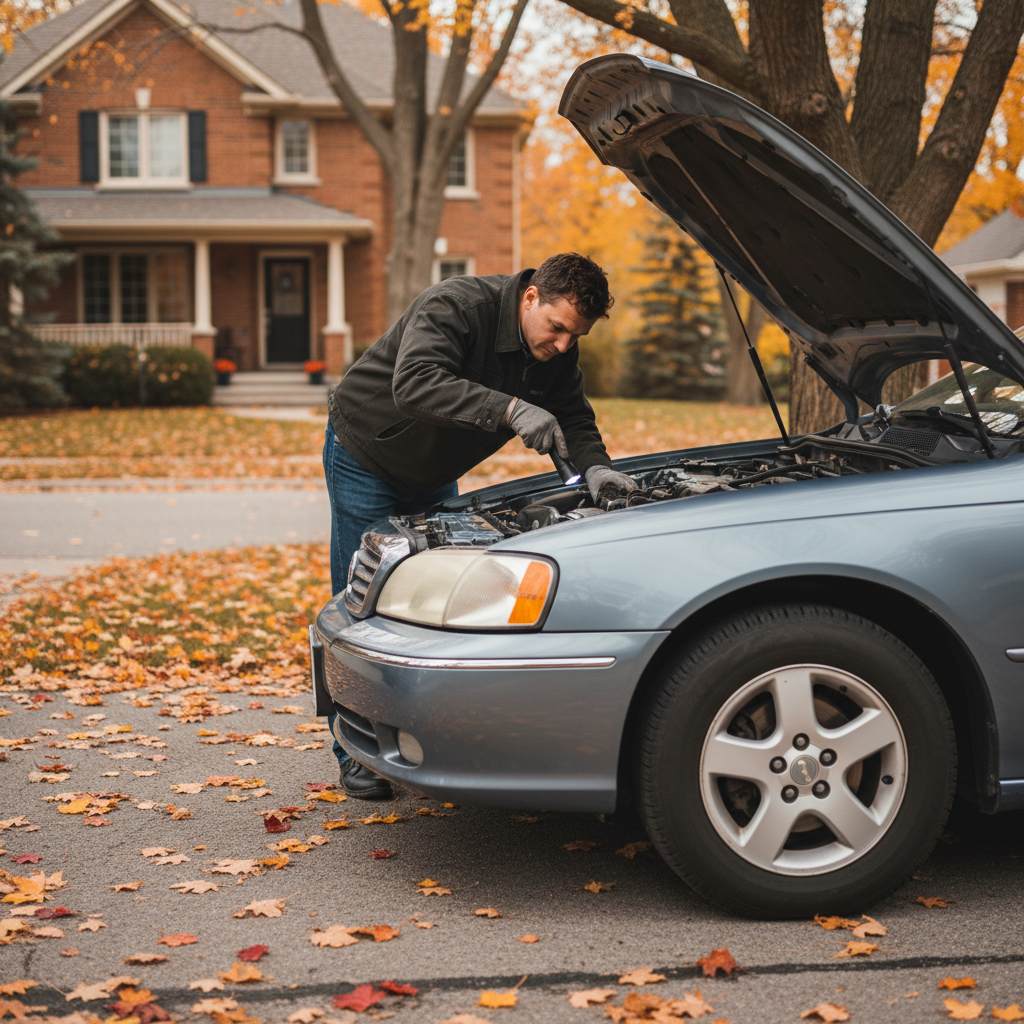
Financing a High-Mileage Used Car in Canada: Age Limits, Terms, and What to Check First
07 October 2026A ten-year-old car with 190,000 km on it can be a smart buy. It's cheaper up front, it's already taken its biggest hit in depreciation, and plenty of well-maintained vehicles run reliably far past that. The catch is financing. Lenders treat older, high-kilometre vehicles differently, and if you don't know how, you can end up with a declined application or a loan that outlasts the car.
Here's how financing works for these vehicles, what limits you'll run into, and how to tell whether the car is worth borrowing for. If you'd rather start with what you qualify for, you can start a free application here and narrow your search from there.
Why lenders care about age and kilometres
A car loan is secured by the vehicle. If you stop paying, the lender's only real protection is the car's resale value. An older vehicle with high kilometres is worth less, loses value in less predictable ways, and is more likely to need a major repair. When a big repair bill shows up, some borrowers walk away from the car and the loan together, and lenders price that risk in.
That's why the vehicle itself is part of the approval decision, not just your credit. Our guide on why vehicle choice matters in auto loan approvals explains this in more detail.
Common age and mileage limits
Every lender sets its own rules, and they change, so treat these as general patterns rather than fixed numbers:
- Vehicle age. Many lenders prefer vehicles under about 8 to 10 model years old. Some will go older, often with tighter terms.
- Kilometres. Limits commonly fall somewhere in the 160,000 to 200,000 km range. Past that, fewer lenders will finance the vehicle at all.
- Age plus term. Some lenders cap how old the vehicle can be at the end of the loan. A nine-year-old car might only qualify for a 36- or 48-month term instead of 72.
- Minimum loan amount. Very inexpensive vehicles can fall below a lender's minimum, so a $6,000 car can be harder to finance than a $14,000 one.
The practical result is that the older and higher-mileage the car, the shorter the term you'll be offered and the fewer lenders will look at it.
What that means for your payment and rate
A shorter term means a higher monthly payment, even on a cheaper car. For example, financing $12,000 over 48 months will cost you more per month than $18,000 over 84 months, though far less in total interest. That surprises a lot of buyers, so run the numbers before you assume the older car is the more affordable payment.
Rates on older vehicles also tend to run higher than on newer used ones, because the lender is taking on more risk. If your credit is also bruised, those two factors stack. Our used car loan guide for Canada breaks down how rates vary by vehicle age and credit.
When a high-mileage car makes sense
It can be a good choice when:
- The model has a strong reputation for reliability at high kilometres
- There's a documented maintenance history, ideally with receipts
- The kilometres are mostly highway driving, which is easier on a vehicle than short city trips
- You can afford a shorter term and want to own the car outright sooner
- You have some savings set aside for repairs
It's a riskier choice when the car has no service records, when you'd need to stretch your budget to the limit just for the payment, or when the vehicle is known for expensive problems at its current mileage, such as transmission or timing chain issues on certain engines.
Checks to do before you borrow
- Get a vehicle history report. Look for accidents, odometer inconsistencies, and whether the car came from another province or country. Our VIN check and history report guide walks through what to look for.
- Check for liens. Older cars change hands more often, and an unpaid loan from a previous owner can follow the vehicle.
- Pay for an independent inspection. A pre-purchase inspection from a mechanic you choose usually costs far less than the repair it might reveal. Ask them to look closely at rust, which is a real concern on vehicles that have spent many Canadian winters on salted roads.
- Ask about big-ticket wear items. Timing belt, brakes, suspension, tires, and battery. Know what's been replaced and what's coming due.
- Price the insurance. Older cars are often cheaper to insure, but not always, so get a quote.
Buying privately vs. from a dealer
A lot of high-kilometre vehicles are sold privately, and that can be a good place to find a fair price. Financing a private sale works differently, though. The lender will usually want to confirm the vehicle's value, verify there's no lien, and pay the seller directly. Our guide to financing a private-sale car in Canada covers the steps.
Dealers are often easier to finance through because the paperwork is built in, and some offer short warranties on older inventory. Read the details of any warranty or protection plan carefully before adding it to your loan, since it increases what you borrow.
Avoid owing more than the car is worth
The biggest risk with an older car is a loan that outlasts it. If the vehicle needs a $4,000 repair in year three and you still owe $7,000, you're in a tough spot. You can lower that risk by:
- Choosing the shortest term you can comfortably afford
- Putting money down, even a small amount
- Keeping a repair fund of a few hundred dollars a month
- Avoiding rolling negative equity from a previous vehicle into this loan
Is a slightly newer car the better deal?
Sometimes. A vehicle that's three or four years newer, with 80,000 fewer kilometres, may cost more up front but qualify for a longer term, a lower rate, and more lenders. Your monthly payment could end up close to the older car's, with less repair risk. It's worth pricing both options side by side before you decide.
Next steps
Financing a high-mileage car is very doable when you know the limits and check the vehicle carefully. Go in with a clear budget, a short term, and a mechanic's opinion, and you'll avoid most of the traps.
Auto Lending Canada helps drivers across British Columbia, Alberta and Saskatchewan find financing for new and used vehicles, including buyers with less-than-perfect credit. Applying is free and won't commit you to anything. Start your application here.