Toy Hauler Financing in Canada: Loans, Terms, and What to Know Before You Buy
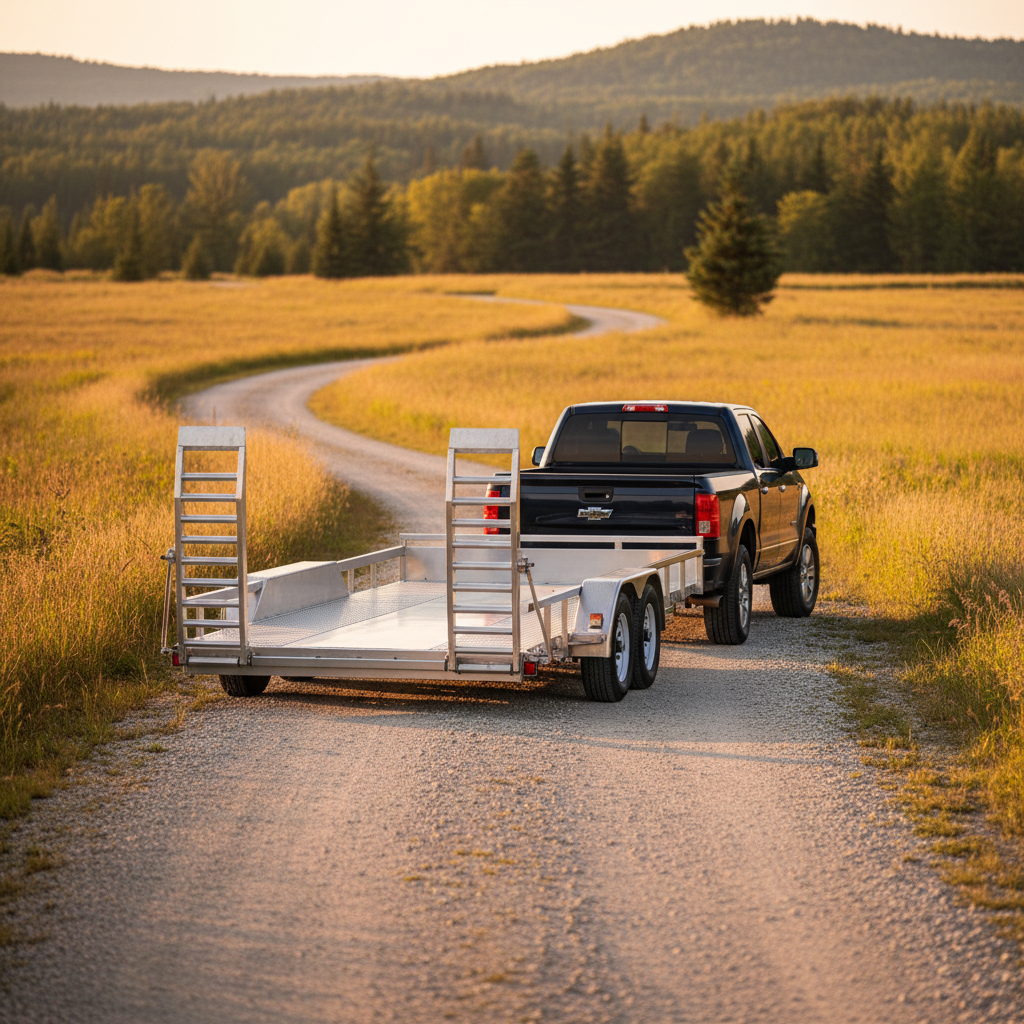
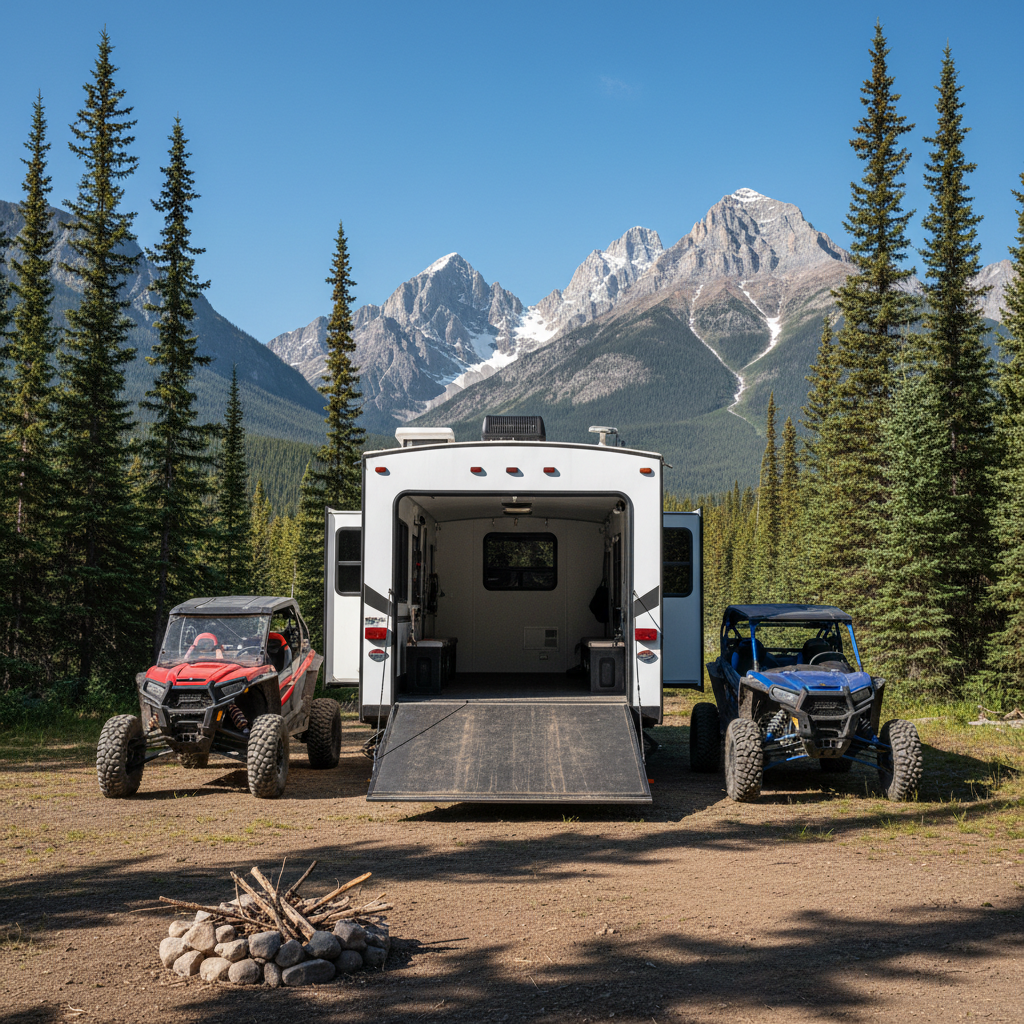
05 October 2026A toy hauler is a travel trailer or fifth wheel with a garage built into the back. The rear wall drops down into a ramp, so you can roll a side-by-side, ATV, dirt bikes, or snowmobiles inside, then use the same space as living area once you are parked. For Canadians who spend weekends in the backcountry, on the dunes, or at the lake, it replaces two purchases with one. It is also a big-ticket item, and most buyers finance it.
This guide explains how toy hauler financing usually works in Canada, what lenders look at, and how to avoid the mistakes that make these loans more expensive than they need to be.
Start your application here if you are already shopping. Pick the vehicle type that matches the toy hauler you want, and a lender can review your file before you commit.
How toy hauler loans differ from car loans
Lenders usually treat toy haulers like other recreational vehicles rather than like a car. That has a few practical effects:
- Longer terms are often available. Because RVs cost more and last longer than many cars, lenders may offer longer amortizations on newer units. That lowers the payment but increases the total interest, so use the extra length carefully.
- Age and condition matter more. Many lenders limit how old a unit can be at the end of the loan. Very old toy haulers can be harder to finance, or may only qualify for shorter terms.
- Down payments are commonly expected. Some lenders will finance close to the full price for strong applicants, but putting money down is standard on recreational loans and helps your rate.
- It is a want, not a need. Lenders know a toy hauler is a lifestyle purchase. They look closely at whether the payment fits alongside your car, housing, and other debts.
If you are still deciding between a toy hauler and a standard trailer, our guide to RV and travel trailer financing covers the non-garage side of the market.
What lenders check
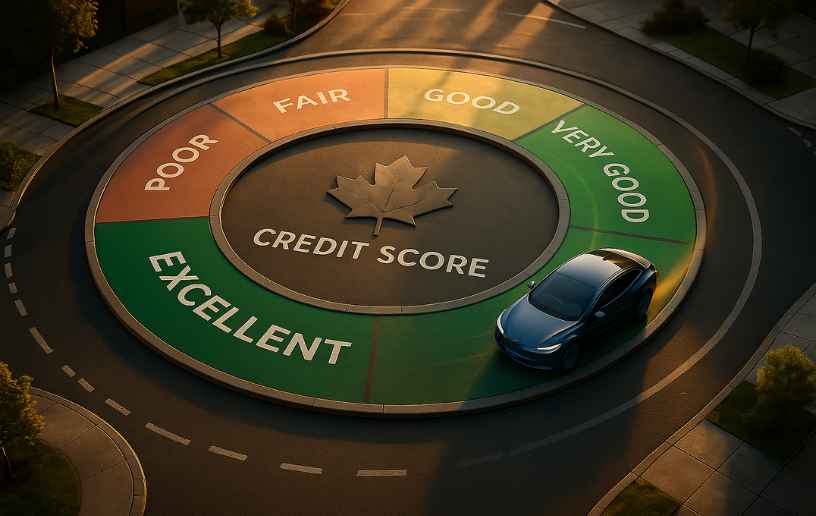
- Credit history. A solid record of on-time payments gets you the best terms. Fair or rebuilding credit can still qualify, usually with a larger down payment or a more modest unit.
- Income and debt. Lenders compare your monthly debt payments, including the new toy hauler payment, to your gross income.
- The unit. Year, length, condition, and value. A dealer invoice or a bill of sale with the serial number (VIN) is required.
- Down payment or trade-in. Trading in an existing trailer or camper can cover part of the down payment.
Don't forget the tow vehicle
This is where many buyers get caught. A toy hauler loaded with a side-by-side and gear weighs a lot more than the empty dry weight on the brochure. Before you buy, check:
- Your truck's towing capacity and payload, and whether it is rated for a fifth wheel if that is what you want.
- The loaded weight of the trailer plus the machines and water you plan to carry.
- Hitch and brake controller costs, which are extra if your truck is not already set up.
If your current truck is not up to it, you may be looking at two loans: one for the toy hauler and one for a heavier tow vehicle. Lenders will count both payments, so plan the full setup together rather than discovering the problem after you sign.
Financing the toys too
Some buyers finance the toy hauler and the machines that go in it at the same time. That can work, but each loan adds to your monthly debt load. If you are adding a new side-by-side or ATV, see our guides to side-by-side financing and ATV financing for how those loans are usually structured. Spreading purchases out over a season or two can also make each approval easier.
New versus used toy haulers
New units come with warranties and are the easiest to finance on longer terms, but they lose value quickly in the first few years.
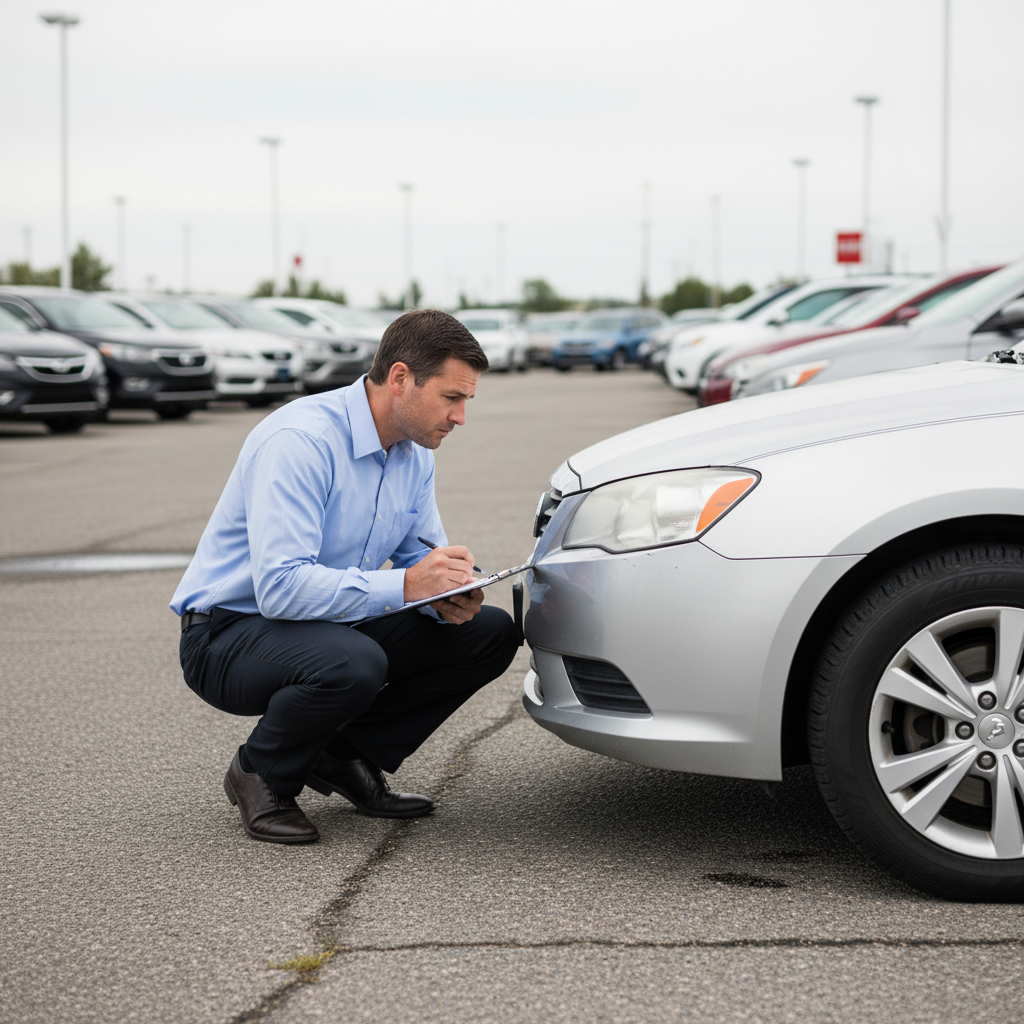
Used units cost less and can be a smart buy, especially two to five years old. Inspect carefully for water damage around the ramp door and roof seams, check the condition of the garage floor and tie-downs, and make sure the generator and fuel station work if the unit has them. A pre-purchase inspection is worth the money.
Private sales are common in the RV world. Some lenders fund them, but expect to provide a bill of sale, proof of ownership, and a lien search showing nothing is owing on the unit.
The real cost of ownership
The loan payment is only part of it. Budget for:
- Insurance for the trailer itself, plus coverage for the machines inside.
- Storage if you cannot keep it at home, which can be a significant monthly cost in many cities.
- Maintenance, including seals, bearings, tires, brakes, and winterizing before a Canadian winter.
- Fuel, since towing a heavy trailer can sharply increase what your truck burns.
- Campground and registration fees.
Tips for a better approval and a better deal
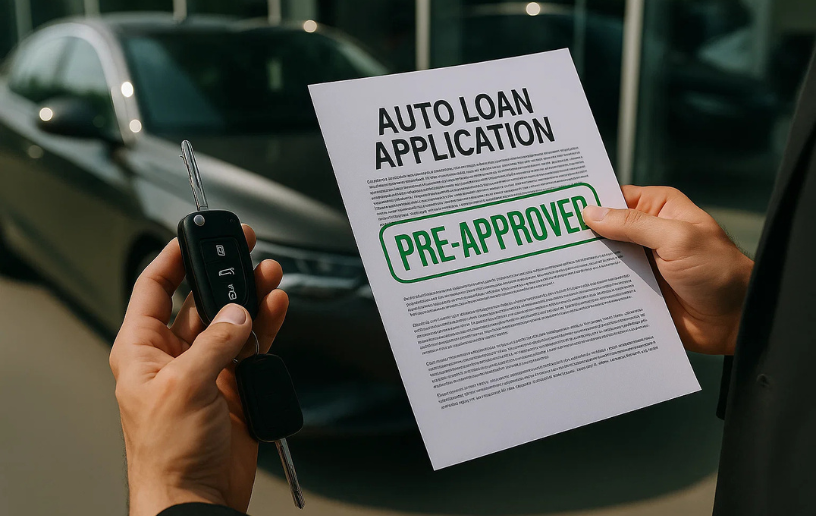
- Get pre-approved before you shop. Knowing your budget keeps you from falling for a bigger unit than you can carry.
- Put money down. It lowers the amount financed and reduces the risk of owing more than the unit is worth.
- Choose the shortest comfortable term. Long terms are tempting on a big purchase, but they add up in interest.
- Price add-ons separately. Extended warranties, protection packages, and accessories can quietly inflate the loan.
- Buy in the off-season. Fall and winter can bring better pricing as dealers clear inventory, though selection varies.
Can you finance a toy hauler with bad credit?
It is possible, but expect tighter terms. Lenders may ask for a larger down payment, a shorter term, or a newer, lower-priced unit. A strong income and stable job history help offset a lower score. If your credit is still recovering, financing a less expensive used unit first can be a good way to build history before stepping up.
Get your toy hauler financed
A toy hauler can make every trip easier, as long as the payment fits your budget and your truck can pull it. Auto Lending Canada works with lenders who finance recreational vehicles and helps you find terms that make sense for your situation.
ALC serves BC, Alberta and Saskatchewan. Start your application here.