ATV Financing in Canada: Loans, Terms, and How to Qualify
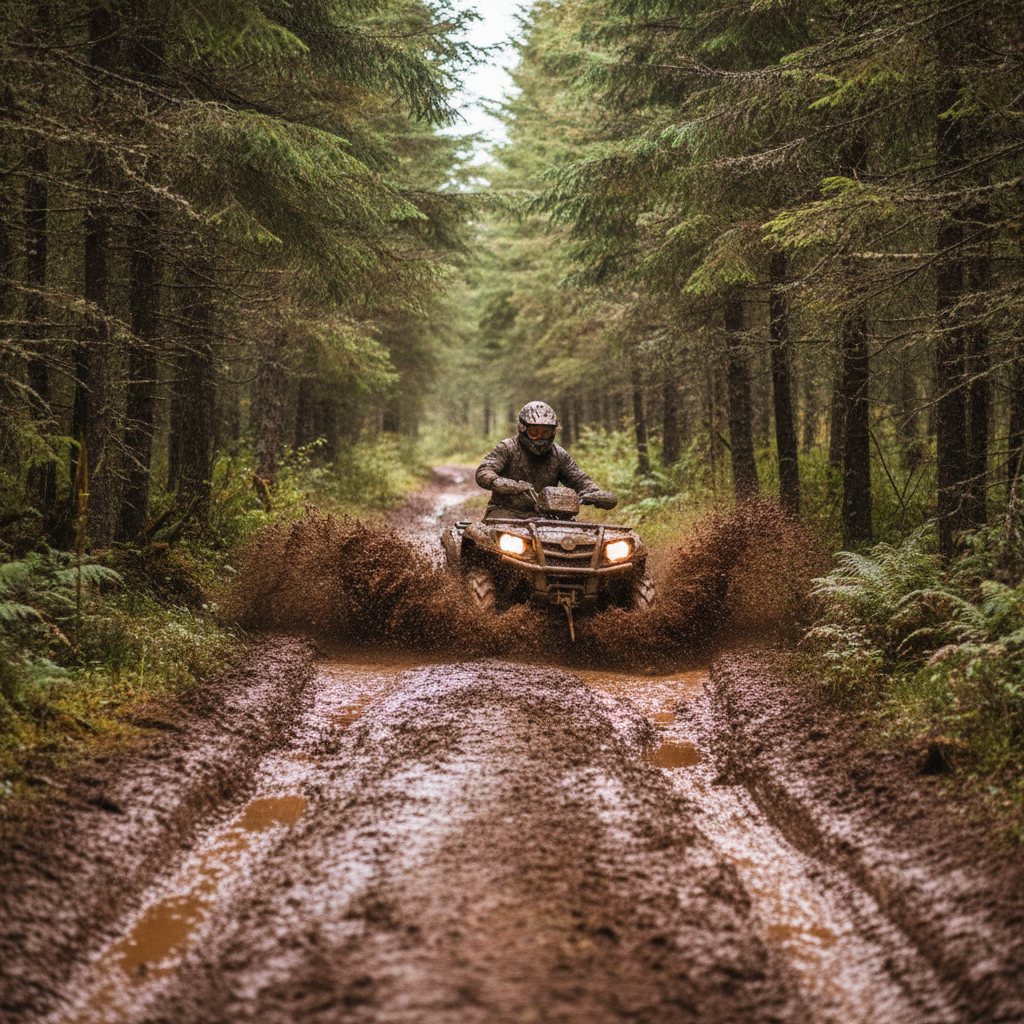
27 September 2026All-terrain vehicles are work tools for some Canadians and weekend machines for others. Either way, paying cash is not always realistic — and financing an ATV is not identical to financing a daily driver. Lenders treat powersports collateral differently, terms are often shorter, and approval depends as much on the machine’s age and use as on your credit score.
If you are shopping an ATV in British Columbia, Alberta, or Saskatchewan, this guide covers how ATV loans typically work, what underwriters look for, and how to apply without wasting hard inquiries.
Start your application here when you know the type of machine you want — you can refine the model after a lender reviews your file.
How ATV financing usually works in Canada
Most ATV loans are secured against the unit. You borrow a set amount, make fixed payments over a term, and the lender holds a security interest until the balance is paid. Compared with car loans, you will often see:
- Shorter maximum terms
- Stricter age and hour/kilometre caps on used machines
- Fewer prime bank programs and more specialty or powersports-focused lenders
- Higher rates when the ATV is recreational rather than clearly tied to farm or work use
For the wider powersports picture — including side-by-sides and similar equipment — see how to finance powersports vehicles in Canada.
What lenders look for on an ATV application
Expect the usual underwriting pillars, with powersports twists:
- Credit score and history: Late payments and thin files still matter. Specialty lenders may work with fair credit when the rest of the file is strong.
- Income and debt: The ATV payment has to fit beside your existing car loan, rent or mortgage, and other obligations.
- Down payment: More cash down helps on older or higher-hour machines.
- Machine details: Year, make, model, hours or kilometres, and whether it is new or used.
- Intended use: Farm, hunting access, or remote work use can be viewed differently from pure recreation, depending on the lender.
Motorcycle financing follows a similar specialty path. If you are comparing two-wheel and four-wheel options, our motorcycle financing guide shows how those programs typically differ from car loans.
New vs used ATV loans
New ATVs may come with manufacturer finance promotions if your credit qualifies. Used ATVs cost less up front but often face tighter caps — many lenders will not fund very old or high-hour units, or they will require a larger down payment. Get the serial/VIN, hour meter reading, and a clear bill of sale ready before you apply.
Private-sale purchases can be financed in some programs, but not all. Dealer purchases are usually simpler because the paperwork and lien registration are familiar to the lender.
Rates, terms, and total cost
Advertised powersports rates are starting points, not promises. Your rate will reflect credit strength, down payment, and the machine. Shorter terms mean higher monthly payments but less interest over the life of the loan. Stretching the term to chase a low monthly number can leave you owing more than the ATV is worth if you sell early.
Insurance and registration rules vary by province and by whether the ATV is used on private land, trails, or roads. Budget for those costs before you lock a payment.
Where to shop: dealers, banks, and specialty lenders
A powersports dealer’s finance desk may have captive or partner lenders ready for qualifying buyers. A bank may decline ATVs altogether or treat them as unsecured personal loans at worse terms. Specialty lenders and brokers that already fund Canadian powersports can fill the gap when prime channels say no.
For a map of how banks, credit unions, dealers, and specialty shops fit together, see types of auto lenders in Canada.
Practical tips before you apply
- Know the exact machine details — year, hours, and asking price — before you submit.
- Check your Equifax and TransUnion scores so the conversation stays realistic.
- Set a payment that still works after trail permits, gear, and maintenance.
- Avoid stacking multiple hard inquiries across every dealer in one weekend.
- Be honest about intended use; misrepresenting farm use when the machine is recreational can cause funding problems later.
When you are ready to submit, follow the same accuracy standards in how to apply for a car loan in Canada — incomplete powersports apps get delayed just as fast as car apps.
Who ATV financing suits
ATV financing is a practical fit when you need the machine for work or property access and can prove income that covers the payment. It is a weaker fit if the only way the numbers work is a very long term on an older unit a lender will not fund. Approval is never guaranteed — present a complete file and pick a machine within the program’s age and advance limits.
Trail, farm, and work use in Western Canada
In British Columbia, Alberta, and Saskatchewan, ATVs often earn their keep on acreages, farms, and resource access roads as much as on recreational trails. If the machine is clearly tied to work or property maintenance, say so clearly on the application and be ready to describe how you use it. Lenders still underwrite the payment against your income — they do not treat an ATV like a free pass — but accurate use details help them place the file in the right program.
Recreational-only purchases are still financed every week. Just expect the same scrutiny on credit, down payment, and machine age that you would see on other powersports deals.
Ready to finance an ATV?
Auto Lending Canada helps drivers and powersports buyers across British Columbia, Alberta, and Saskatchewan compare loan options. When you are ready, submit a clear application and let lenders respond to your real numbers.