How VIN Fraud Can Wreck Your Car Loan in Canada (And How to Protect Your Financing)
10 May 2026If you're financing a used vehicle in Canada, a fraudulent VIN isn't just a paperwork problem — it can put your entire loan at risk. According to CARFAX Canada, more than 372,000 vehicles with potentially compromised VINs are currently on Canadian roads, and most of the people financing them have no idea.
This isn't a rare edge case. It's an organized fraud pattern that specifically targets buyers who finance rather than pay cash — because a financed vehicle already comes with a paper trail a criminal can hide behind. Here's what VIN cloning means for your loan specifically, and how to make sure your financing is protected before you sign anything.
What Is VIN Cloning, in Plain Terms
Every vehicle has a Vehicle Identification Number (VIN) — a unique 17-character code stamped by the manufacturer. VIN cloning happens when a criminal takes the legitimate VIN from one vehicle and applies it to a different, usually stolen, vehicle of the same make, model, year, and colour.
The result is two vehicles on Canadian roads sharing one VIN. The legitimate one carries on as normal. The stolen one now shows a clean history in any standard VIN check, with no theft flag and nothing to warn a buyer — or a lender — that something is wrong.
What Happens to Your Loan If the Vehicle Turns Out to Be Cloned
This is the part most financing buyers don't find out until it's too late. If law enforcement identifies your financed vehicle as stolen and reported under a cloned VIN, they can seize it — regardless of whether you knew about the fraud when you bought it.
Here's the uncomfortable reality: seizure doesn't cancel your loan. You can lose the vehicle while still owing the balance to your lender, because your financing agreement is with the lender, not tied to the vehicle staying in your possession. On top of that, insurers may void coverage once a fraudulent VIN is discovered, and a vehicle with a compromised VIN generally can't be legally resold or traded in, which erases any equity you were counting on.
In short: VIN fraud turns a normal car loan into a loan for a vehicle you no longer have and can't legally drive. That's why catching it before financing is approved matters so much more than catching it after.
Why Lenders Care About VIN Verification Before They Approve You
Reputable lenders increasingly build VIN verification into their approval process, because a clean VIN protects their collateral as much as it protects you. A lender is more comfortable financing a vehicle with a verified, consistent VIN history because it lowers the odds of the loan turning into a total loss with nothing to repossess if payments stop.
If you're arranging financing yourself — particularly for a private sale — walking in with a verified VIN history already in hand tends to speed up approval and can put you in a stronger position than an applicant who hasn't checked at all.
How to Verify a VIN Before You Finance a Used Vehicle
A few checks take less time than negotiating the price, and they matter more:
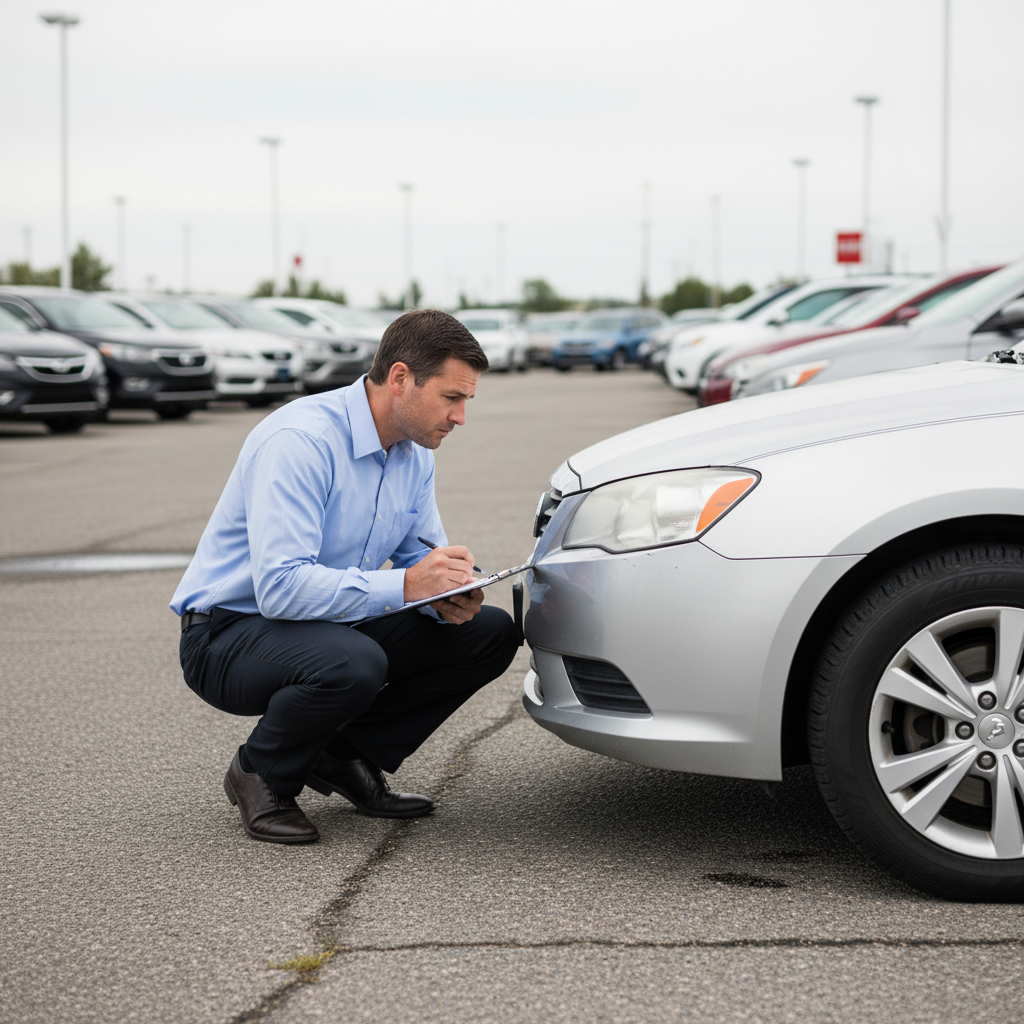
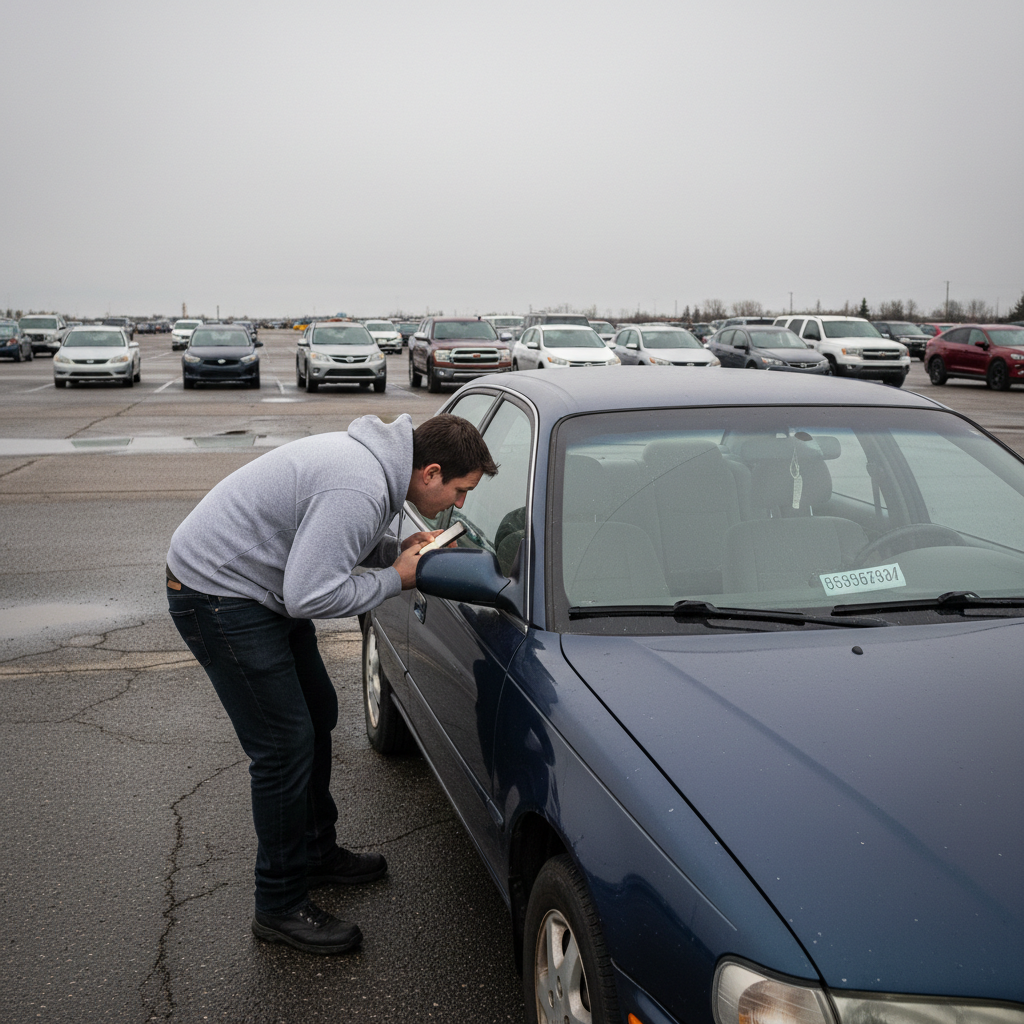
Compare VIN locations on the vehicle. The VIN appears in several places — the dashboard (visible through the windshield), the driver's door jamb sticker, the engine block, and the firewall. On a legitimate vehicle, every VIN plate and stamp matches exactly. Criminals often replace the dashboard plate but miss the engine block stamp, so a mismatch is an immediate red flag.
Look for tampering signs. Loose, missing, or mismatched rivets on the dashboard VIN plate, scratched or repainted numbers, or glue residue near the plate are all signs the VIN has been altered.
Run a full vehicle history report, not just a free VIN lookup. A full report cross-references billions of records to flag inconsistencies that a basic search can miss.
Check the VIN against the Canadian Police Information Centre (CPIC) stolen vehicle database, available through your local police service or a licensed dealer.
Walk away from any seller who resists a VIN check. A legitimate private seller has no reason to object, and pressure to decide quickly is itself a warning sign.
Protecting Your Financing: What to Do Before You Sign
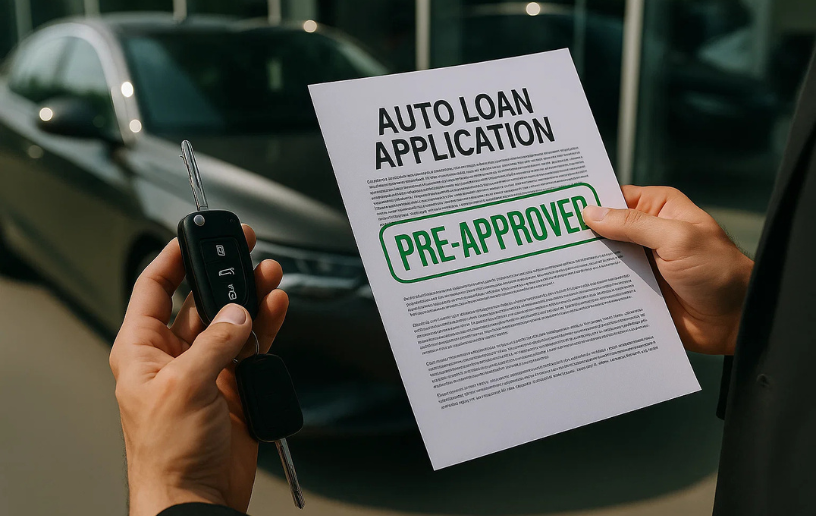
The single best protection is arranging your financing before you fall in love with a specific vehicle. When you already know your budget and have pre-approved car loan financing in hand, you're never rushed into a decision by a seller counting on you not looking too closely — which is exactly the pressure VIN fraud relies on.
It's also worth understanding why a car loan can get declined after pre-approval, since a vehicle that fails final verification — VIN issues included — is one of the reasons a lender can pull back an offer between pre-approval and funding. Knowing this in advance means it won't catch you off guard if it happens.
Ready to finance your next used vehicle with confidence? At Auto Lending Canada, we connect Canadians with 30+ lenders nationwide for fast, transparent pre-approvals, so you're shopping with real numbers instead of guesswork. Get pre-approved here →
FAQs
If my financed car is seized as stolen, do I still owe the loan?
Yes, in most cases. Seizure removes the vehicle but doesn't cancel your financing agreement with the lender. This is exactly why VIN verification before you sign matters so much.
Do lenders check the VIN before approving financing?
Many do, as part of protecting their collateral. A verified, clean VIN history can also work in your favour by reducing perceived risk on the loan.
What's the fastest way to protect myself when financing a used car?
Get pre-approved first, verify the VIN through multiple sources (physical inspection, a full history report, and a CPIC check), and avoid any seller who discourages you from checking.