Enclosed Trailer Financing in Canada: Loans, Terms, and How to Qualify
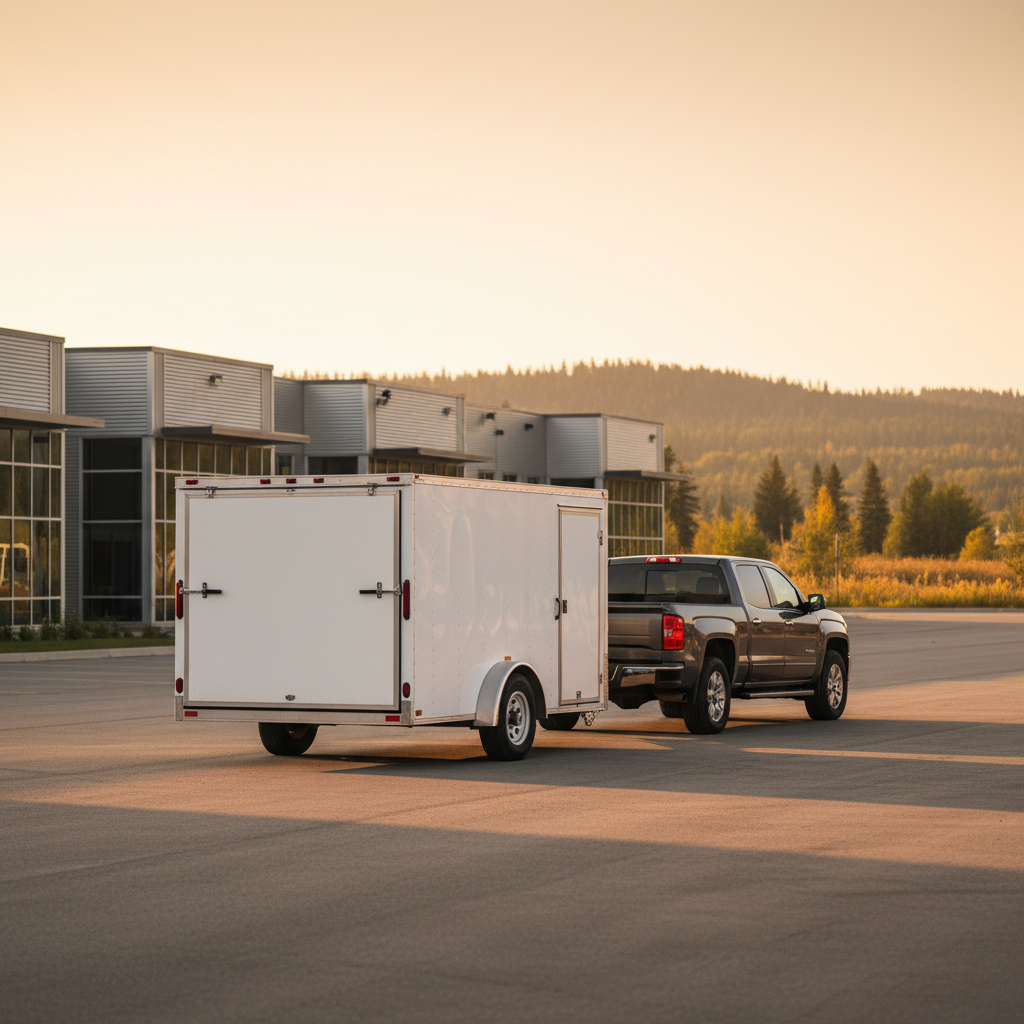
04 October 2026Enclosed trailers sit in a different financing box than open utility decks or full living-quarters RVs. Cargo, motorcycle, car-hauler, and contractor enclosed units are often treated as specialty trailers or light equipment — not a standard auto loan, and not always a fit for RV programs. If you need one for work, motorsports, or secure transport across British Columbia, Alberta, or Saskatchewan, it helps to know how lenders usually underwrite them.
This guide explains how enclosed trailer financing works in Canada, how it compares with utility and RV trailers, what documentation helps, and a practical path to apply through lenders who already fund specialty trailer deals in Western Canada.
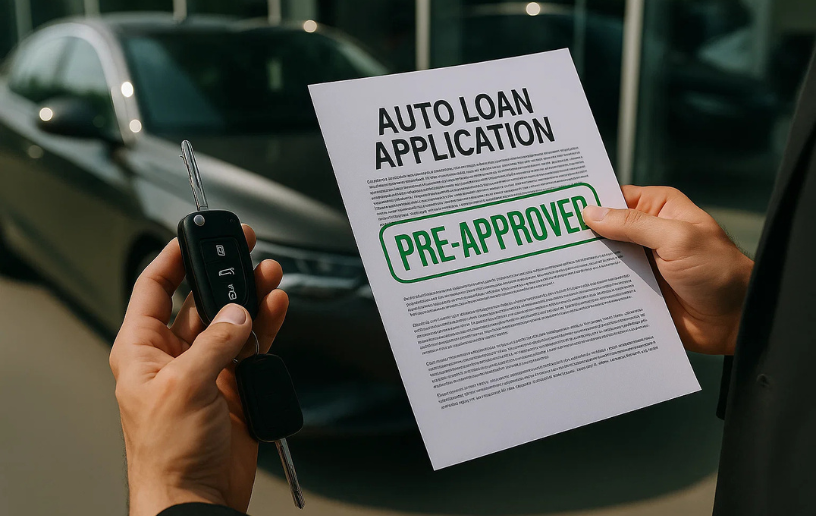
Start your application here if you already know the trailer type you want — you can finish details after a lender reviews your file.
Enclosed vs utility vs RV trailers
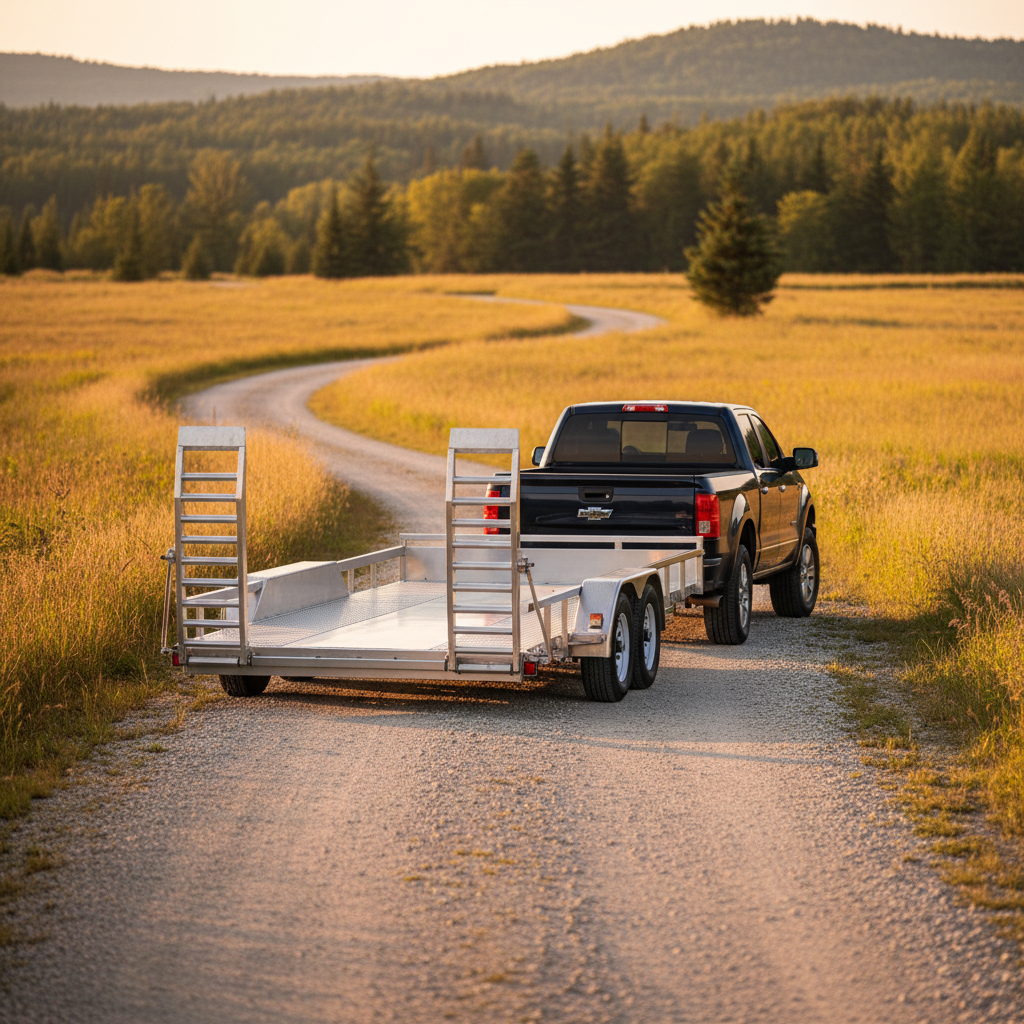
Open utility trailer financing often routes through light-equipment or auto-adjacent programs when value and use stay within set limits. RV and travel trailer financing usually follows recreational rules around age, living quarters, and hitch type. Enclosed cargo and car-hauler trailers sit between those worlds: some lenders treat them like specialty trailers; others use powersports or recreational desks that already understand toy haulers and secure transport.
Horse trailers are another specialty lane — see our horse trailer financing guide if you are comparing livestock versus cargo use. For powersports-adjacent products more broadly, how to finance powersports vehicles in Canada covers related underwriting patterns.
Choosing the wrong product category at application time is a common delay. If your unit is a dry cargo box with no living quarters, say so clearly. If it is a toy hauler with a ramp and sleeping space, that may route differently than a plain contractor trailer.
What lenders look for on an enclosed trailer file
- Use case: Business/contractor hauling, motorcycle or car transport, or personal secure storage. Commercial use may need business income docs and a clear story about how the trailer earns or saves money.
- Unit details: Make, model, year, length, axle rating, GVWR, and whether it is new or used. Very old, homemade, or heavily customized trailers get fewer programs.
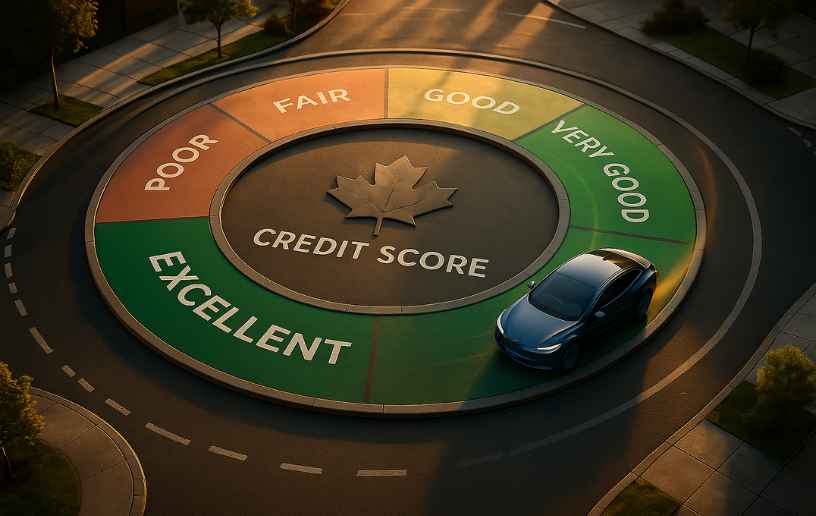
- Income and credit: Same core checks as auto — stable deposits, manageable debt, and a credit file lenders can price. Score bands still affect rate; see rates by credit score for the general pattern.
- Down payment: Specialty trailers often need more cash or a stronger file than a mainstream used car at the same price point.
- Tow vehicle: Lenders and insurers care that your truck or SUV can safely tow the rated weight — financing the trailer does not replace hitch, brake controller, and insurance requirements.
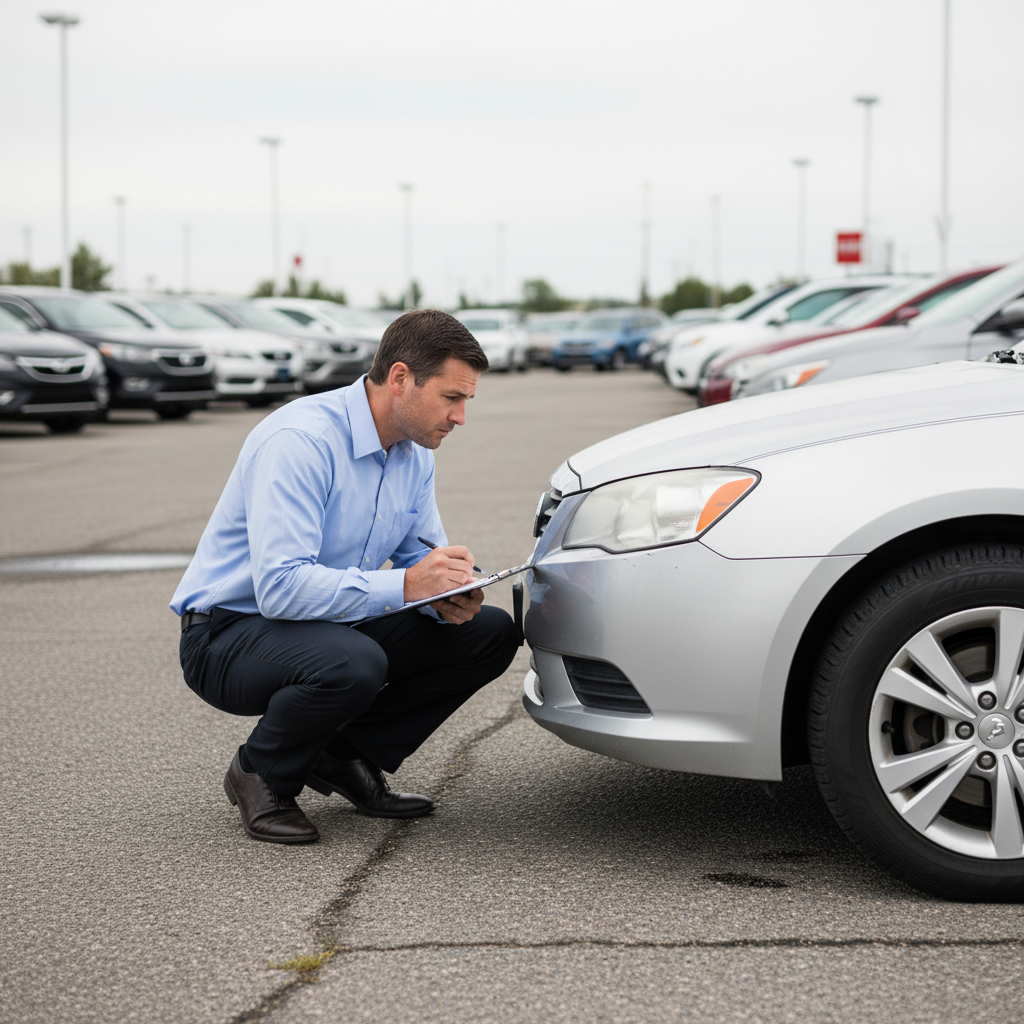
Bring a quote or bill of sale, VIN or serial if used, and photos if the unit is private sale. Private-sale enclosed trailers can fund, but expect extra verification compared with a dealer invoice. Clear title and matching serial numbers matter.
Terms, rates, and common snags
Terms are often shorter than a long auto loan, especially on older trailers, because residual value and resale channels differ from cars. Rates vary with credit, down payment, and whether the lender classifies the unit as recreational, equipment, or specialty consumer. Do not assume a bank auto rate will apply just because you are financing “wheels.”
Common snags include trailers that exceed age caps, missing serial documentation, commercial use without business income proof, and borrowers who try to finance the trailer without confirming tow capacity. Another frequent issue is stacking too much: a maxed-out truck loan plus a large enclosed trailer payment can push debt ratios past what specialty desks will accept. Fix those before you apply so underwriting is not guessing.
Insurance for enclosed cargo — especially if you haul tools, bikes, or a project car — should be quoted early. Some policies treat the trailer differently than a passenger vehicle; know the premium before you commit to a term.
How to apply without overselling the deal
- Confirm the trailer’s year, specs, GVWR, and fair value — get a written quote.
- Match the unit to a tow vehicle you already own or are financing separately, with margin under the rated capacity.
- Assemble income docs the same way you would for a vehicle loan; add business statements if use is commercial.
- Decide new vs used and dealer vs private sale; private sale needs more paperwork.
- Submit one complete application listing the trailer type clearly so it routes to the right desk.
Process basics mirror auto applications — details are in how to apply for a car loan in Canada. No lender can guarantee approval or a fixed rate before reviewing the unit and your file.
Budgeting beyond the trailer payment
An enclosed trailer adds insurance, storage or yard space, maintenance on axles and seals, and extra fuel whenever you tow. Factor those costs before you maximize the loan amount. A slightly smaller or shorter box that fits your real cargo needs usually beats financing unused length you only wanted for resale optics.
If you also need a stronger tow vehicle, sequence the deals carefully. Funding a maxed truck loan and a large enclosed trailer in the same month can overload debt ratios. Some buyers finance the truck first, confirm tow capacity and insurance, then apply for the trailer with updated statements.
Who this is for in Western Canada
Contractors hauling tools in BC rain, Alberta motorcycle owners storing bikes through winter, Saskatchewan farms moving equipment securely, and car enthusiasts transporting project vehicles all land in this category. Auto Lending Canada works with lenders who already fund specialty and powersports-adjacent deals across BC, Alberta, and Saskatchewan — including enclosed cargo and hauler trailers that did not fit a standard auto desk.
ALC serves BC, Alberta and Saskatchewan. Start your application here.