Horse Trailer Financing in Canada: Loans, Terms, and How to Qualify
02 October 2026Financing a horse trailer is not the same as financing a utility flatbed or a travel trailer for camping. Bumper-pull and gooseneck horse trailers sit in a grey zone for many banks: too specialized for a standard auto desk, not always a fit for RV programs, and often used on farms and acreages in British Columbia, Alberta, and Saskatchewan where lenders want clear income and a realistic advance.
This guide explains how horse trailer financing usually works in Canada, what lenders look for, how terms differ from utility and RV trailers, and a practical path to apply through lenders who already fund powersports-adjacent and specialty trailer deals in Western Canada.
Start your application here if you already know the trailer type you want — you can finish details after a lender reviews your file.
Horse trailers vs utility and RV trailers
Utility trailers are often financed as light equipment or through auto-adjacent programs when they stay within certain value and use limits. Travel trailers and RVs usually fall under RV or recreational financing with their own age and living-quarters rules. Horse trailers — whether a simple bumper-pull for one or two horses or a larger gooseneck with living quarters — sit between those worlds. Some lenders treat them like specialty trailers; others route them through powersports or recreational desks that already understand farm and ranch use.
If you are comparing trailer types, see our guides to utility trailer financing in Canada and RV and travel trailer financing. For powersports-adjacent products more broadly, how to finance powersports vehicles in Canada covers how specialty desks often think about non-car collateral.
What lenders usually check
Expect underwriting that looks familiar if you have financed a vehicle before, with a few trailer-specific wrinkles:
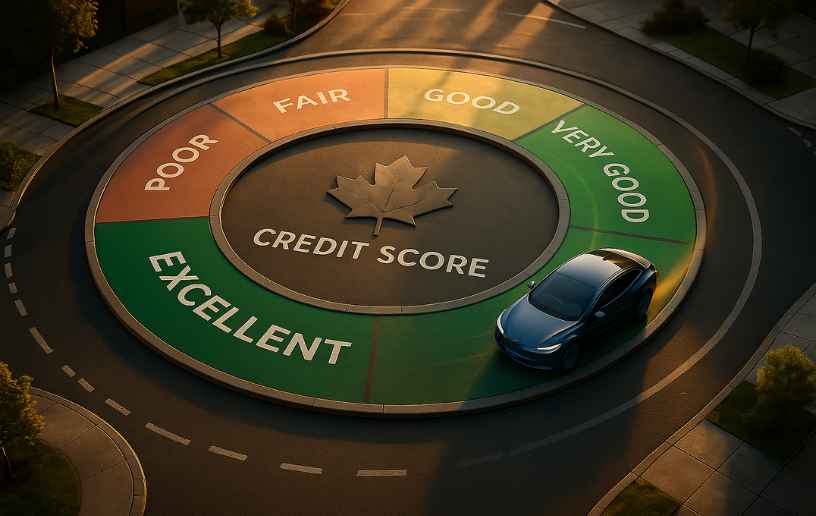
- Credit score and history: Payment history, utilization, and recent inquiries. Specialty lenders can sometimes work with fair scores that a prime bank declines on trailer collateral.
- Income and employment: Stable income from farm, ranch, trades, oilfield, or off-farm wages. Bank statements and tax documents matter when income is seasonal or mixed.
- Debt-to-income: Existing loans, equipment payments, and housing costs relative to take-home pay.
- Down payment: Higher down payments are common on specialty trailers, especially used units or higher-value goosenecks.
- Trailer details: Year, make, model, length, bumper-pull vs gooseneck, living quarters, and condition all affect how much a lender will advance.
Rates still track credit strength. Our breakdown of car loan rates by credit score in Canada shows how pricing typically moves — trailer programs often sit in a similar credit ladder even when the product is not a car loan.
Bumper pull vs gooseneck: why structure matters
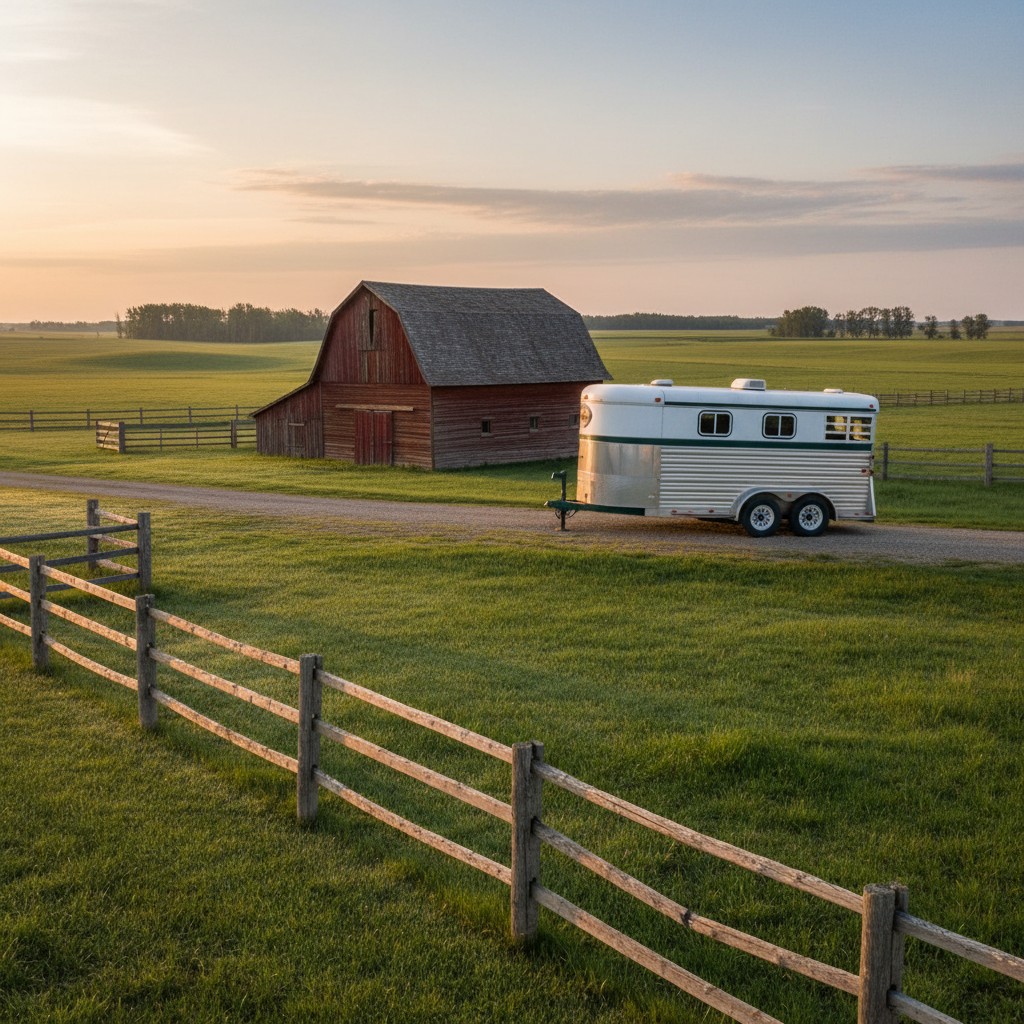
Bumper-pull horse trailers are generally lighter and lower priced; goosenecks and living-quarters units can push into ranges where fewer lenders are comfortable, and where documentation on use (personal, farm, or commercial) becomes more important. Be clear about how you will use the trailer — hauling for personal horses, ranch work, or occasional commercial transport — because that can change which desk will fund the deal.
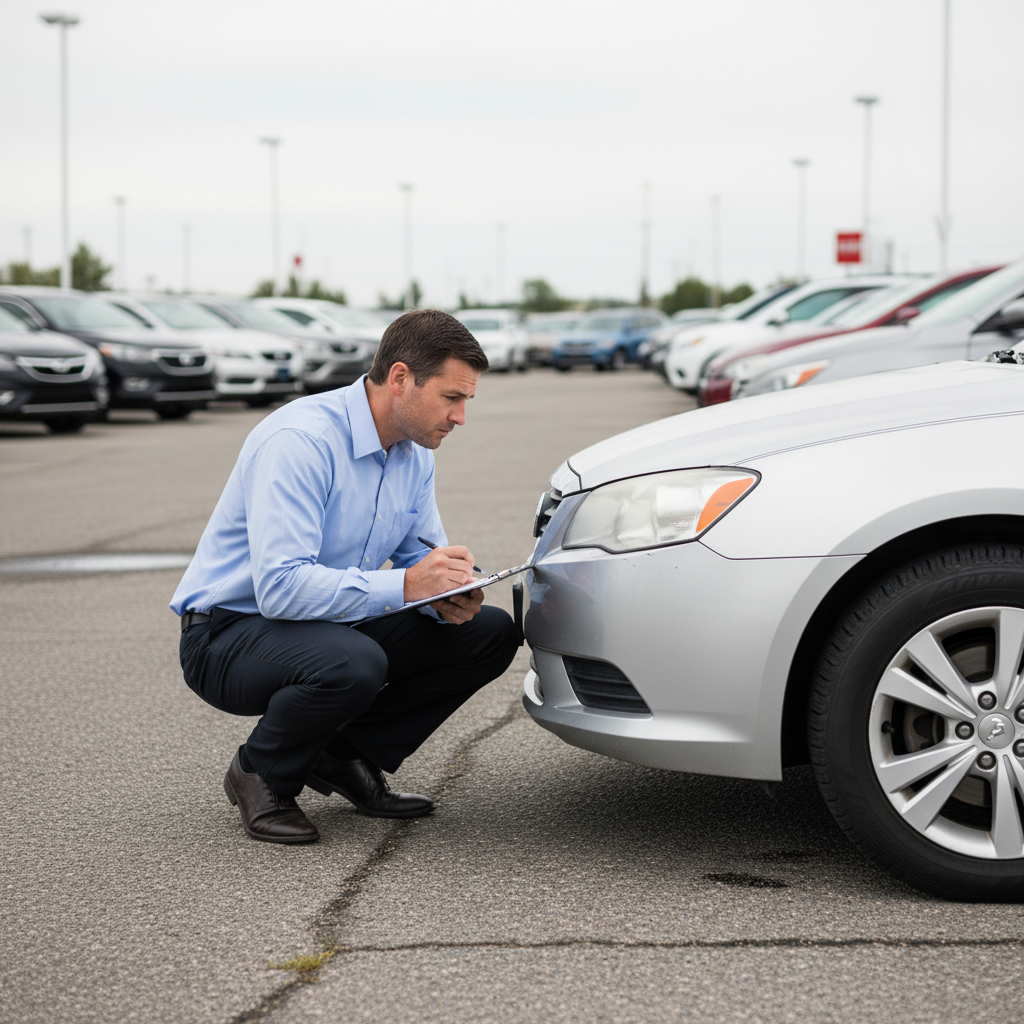
Used trailers are common in BC, Alberta, and Saskatchewan barn and acreage markets. Lenders may cap age, require an inspection, or limit the advance to a percentage of wholesale or appraised value. Shopping a unit that looks like a bargain but falls outside those guidelines is a frequent reason deals stall after a verbal yes.
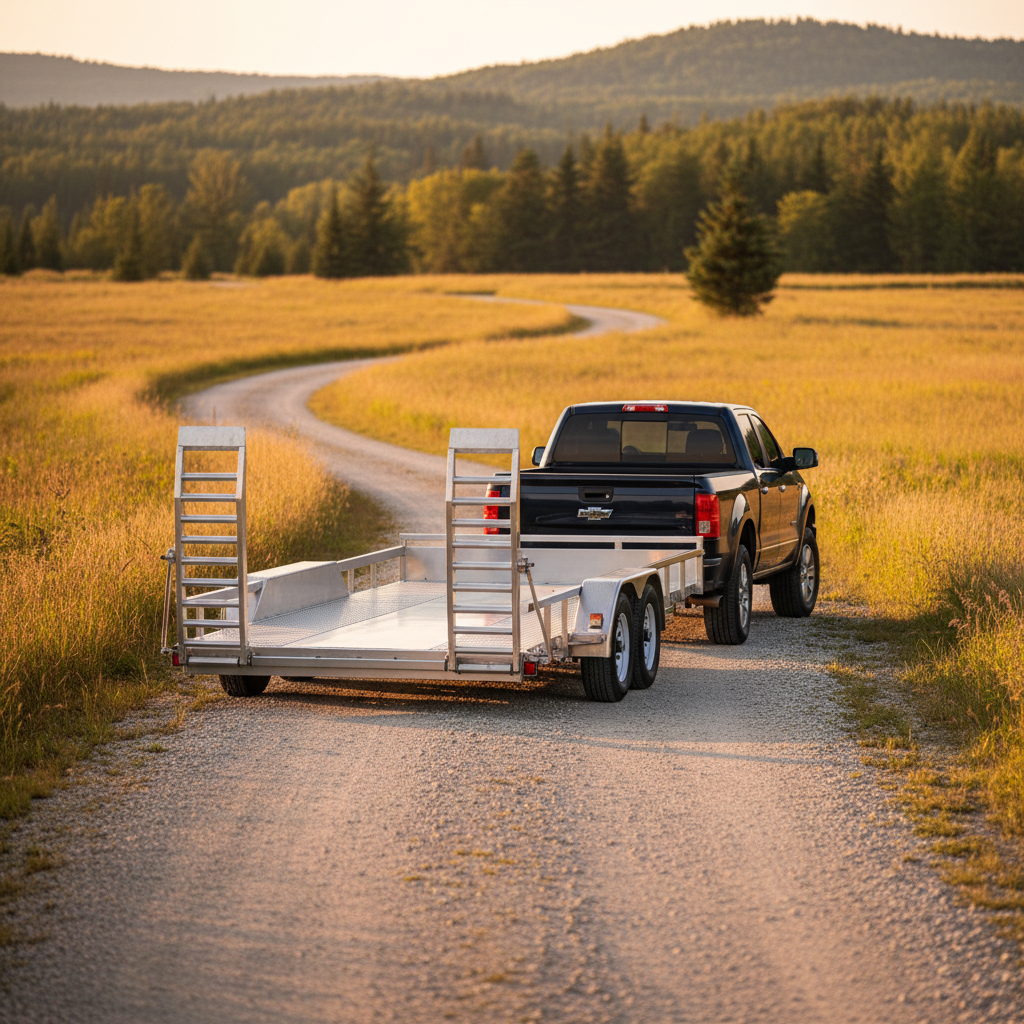
Towing capacity matters too. A horse trailer that fits your barn needs but overloads your truck is a safety and insurance problem before it is a financing one. Match trailer weight and hitch type to a tow vehicle you already own or plan to finance separately.
Western Canada farm and acreage realities
In the Prairies and Interior BC, horse ownership often sits alongside other farm or ranch activity. Income can mix livestock sales, off-farm wages, trades contracts, and seasonal work. Lenders who understand that mix still want a clear paper trail — bank deposits, tax filings, and a payment that works when seasonal cash flow dips. Stretching for a living-quarters gooseneck on thin documentation is a common reason specialty desks pass.
How to strengthen a horse trailer application
You cannot force a specialty desk to fund every trailer, but you can make your file easier to place:
- Gather recent income proof and three months of bank statements before you shop.
- Know the trailer’s year, VIN or serial, specs, and asking price — incomplete listings slow underwriting.
- Plan a realistic down payment, especially on used or higher-value goosenecks.
- Be honest about use: personal vs farm vs commercial changes the product options.
- Keep the payment inside a budget that still covers fuel, insurance, and truck capacity for towing.
When you are ready to submit, follow the same discipline outlined in how to apply for a car loan in Canada — accurate details beat a rushed form every time, even when the collateral is a trailer.
What approval can look like
Approvals for horse trailers often come with a higher rate than a prime auto loan, a term matched to the trailer’s age and value, and a down payment requirement that reflects specialty collateral risk. Nobody can promise you will be approved. What you can control is presenting a complete file to lenders who already work with Western Canadian trailer and powersports-adjacent deals.
Ready to finance a horse trailer?
Auto Lending Canada helps customers across British Columbia, Alberta, and Saskatchewan compare financing options for vehicles and specialty trailer needs. If a bumper-pull or gooseneck horse trailer is next on your list, start with a clear application and let lenders respond to your real numbers.