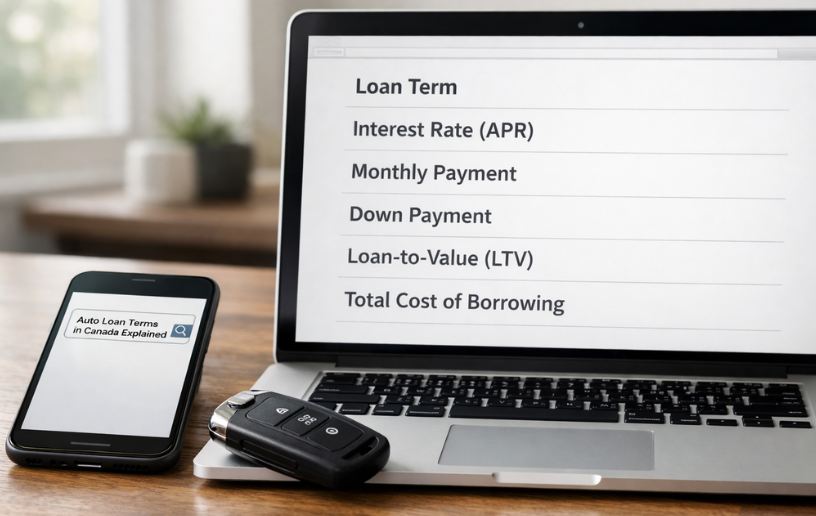

Refinancing Your Auto Loan in Canada
15 January 2026Auto loans are a reality for millions of Canadians. Whether you financed a new SUV in Alberta, a used sedan in Ontario, or a family vehicle in British Columbia, your loan terms were based on your financial situation at that moment in time. What many borrowers do not realize is that those terms are not permanent.
Auto loan refinancing allows you to replace your current car loan with a new one that better fits your present situation. For Canadians, refinancing can mean securing a lower interest rate, reducing monthly payments, adjusting the loan term, or even accessing limited equity in certain cases.
This guide breaks down auto loan refinancing in Canada in clear, practical terms. You will learn when refinancing makes sense, how the process works, what costs to watch for, and how to evaluate whether it truly saves you money. By the end, you will be equipped to make an informed decision and take control of your auto financing with confidence.
If you are curious about what options may be available to you right now, Auto Lending Canada can help you review your situation and get pre-approved today
What is Auto Loan Refinancing?
Auto loan refinancing involves replacing your current car loan with a new loan that offers revised terms based on your present financial situation. In this process, the new lender pays off the remaining balance of your existing loan, and you continue making payments under the new agreement. The vehicle stays the same, but the structure of how you repay it changes.
In practical terms, refinancing allows you to adjust key elements of your loan such as the interest rate, monthly payment, or remaining term. It is not the same as simply transferring a loan to another lender with identical terms. Refinancing involves renegotiation, giving you the opportunity to secure conditions that are better aligned with your current income, credit profile, and financial priorities.
In Canada, refinancing is commonly used in situations such as borrowers who initially accepted higher interest rates due to limited or rebuilding credit and now qualify for more competitive rates, households facing increased living costs who want to ease monthly payment pressure, or drivers who wish to shorten their loan term and eliminate debt sooner. It is also a practical option for individuals adjusting their finances after a job change, income increase, or major life event.
Refinancing does not mean starting over or repurchasing your vehicle. It is a strategic financial adjustment designed to optimize the loan you already have, ensuring it continues to make sense as your circumstances evolve.
When Should You Consider Refinancing?
Timing matters when it comes to refinancing an auto loan in Canada. Refinancing works best when your financial position or the lending environment has improved since the day you signed your original auto loan. Here are the most common situations where refinancing may be worth exploring.
Interest rates have dropped since you financed
Auto loan interest rates in Canada are influenced by broader economic conditions, lender risk appetite, and your personal credit profile. If you financed your vehicle during a period of higher interest rates, there is a strong chance that better options exist today.
Even a small reduction in interest rate can have a noticeable impact. For example, a one or two percent drop can translate into thousands of dollars saved over the remaining life of your loan, especially if you still have several years left. Many borrowers focus only on monthly payments, but the real benefit often lies in the reduced total interest paid.
Refinancing allows you to correct that timing disadvantage, where Canadians who financed through dealerships during high rate periods or accepted higher rates to secure approval quickly.
Your credit score or financial profile has improved
Many Canadians finance a vehicle while their credit is still improving or recovering. At that stage, securing approval often takes priority over securing the best rate, which can result in higher interest costs at the beginning of the loan.
If your financial situation has strengthened since then through consistent on time payments, lower debt levels, resolved credit issues, or higher income, lenders may now see you as a lower risk. Even small credit improvements can lead to better refinancing terms in Canada. Refinancing allows your loan terms to reflect who you are financially today, not who you were when you bought the vehicle.
You need better cash flow in your monthly budget
Household expenses rarely stay the same. Food prices, housing costs, childcare, and fuel can rise over time, and a car payment that once felt manageable may start to strain your budget. When that happens, refinancing can help bring your monthly finances back into balance.
Extending the loan term through refinancing can lower your monthly payment and provide immediate relief. While it may not always be the ideal long term strategy, improved cash flow during financially demanding periods can help you stay on track, avoid missed payments, and protect your credit. For many Canadian families, this added flexibility is especially valuable during life changes such as parental leave, job transitions, or temporary income shifts.
You want to pay off your vehicle faster
If your income has grown, your household expenses are under control, or you have paid off other loans or credit cards, your budget may now support a higher monthly payment. In this situation, keeping a long auto loan simply for the sake of lower payments may no longer make financial sense.
By refinancing into a shorter loan term, you commit to higher monthly payments but significantly reduce the total interest paid over the life of the loan. Many Canadians take this approach to become vehicle debt free sooner, strengthen their overall financial position, and avoid carrying an auto loan into their next purchase
Your current loan allows early repayment without heavy penalties
Some auto loans in Canada, particularly those arranged through dealerships or designed for higher risk borrowers, come with prepayment penalties or strict payout terms. Others are far more flexible and allow early repayment without significant fees.
Before exploring refinancing, it is crucial to review your existing loan agreement and confirm whether paying it off early will trigger additional costs. When penalties are low or nonexistent, refinancing can deliver real financial value. Understanding this upfront helps you avoid unexpected expenses and ensures that refinancing actually improves your overall savings rather than eroding them.
If you are unsure whether refinancing is the right move for your situation, Auto Lending Canada can help you evaluate your current loan, credit profile, and vehicle details. By working with a network of Canadian lenders, we can help you find a suitable refinancing option and guide you through the process with clarity, ensuring the terms align with your financial goals before you move forward.
Eligibility Criteria for Refinancing
Not every borrower or vehicle will qualify for refinancing, and eligibility can differ from one lender to another. That said, most Canadian lenders assess a similar set of core factors when reviewing a refinancing application.
Credit Score and History
Your credit score and overall credit history play a major role, as stronger credit typically leads to better interest rates and terms. However, refinancing is still possible for Canadians with average or rebuilding credit through lenders that specialize in alternative or non traditional financing.
Vehicle Age and Condition
Lenders consider the vehicle’s age, mileage, and overall condition of your vehicle. Vehicles that are older or have very high kilometers may face more limited options, as they are considered higher risk by most lenders.
Current Lender Policies
It is essential that your existing loan allows for payout or refinancing, which is why reviewing your loan agreement carefully is so important before applying.
Loan to Value Ratio
Lenders evaluate how much you owe compared to the vehicle’s current market value. If your loan balance is significantly higher than the vehicle’s worth, refinancing options may be limited.
Each case is unique, which is why working with a Canadian focused financing partner like Auto Lending Canada can simplify the process and set realistic expectations.
Costs and Fees to Consider
Refinancing can be a powerful tool to save money, but only if you understand all associated costs. Overlooking fees can reduce or even eliminate potential savings, so it is important to evaluate each factor carefully before moving forward.
Prepayment penalties
Some lenders charge fees for paying off your existing loan early. This is common with certain dealership or subprime loans. Prepayment penalties can be a flat fee or a percentage of your remaining balance, so check your contract before applying for refinancing.
Administrative or Processing Fees
New lenders may charge application, processing, or administrative fees. These can include loan setup fees, documentation fees, or lien registration fees. While often small, they can add up and should be factored into your total cost calculation.
Insurance or Registration Updates
Refinancing may require updating the lienholder information with your insurance provider. In some provinces, registration documents may also need updating, which can involve minor administrative costs or government fees.
Appraisal or Inspection Fees
Some lenders may require a vehicle appraisal or inspection, particularly for older or higher mileage vehicles. While not always necessary, these costs can affect the net savings of refinancing.
Other Potential Fees
Additional costs could include documentation courier fees, lien transfer fees, or early termination fees for add-ons such as GAP insurance or extended warranties.
Calculating Total Savings
To determine if refinancing truly benefits you, compare the total cost of your current loan versus the new loan, including interest, fees, and any penalties. Use detailed calculations rather than focusing only on monthly payments. This ensures refinancing improves your financial position rather than simply moving costs around.

Refinancing Your Auto Loan: Pros and Cons
| Aspect | Pros | Cons | Relevant For |
| Interest Rates | Lower rates can reduce total borrowing costs. | None directly, but savings depend on lender offers. | Borrowers who financed at high rates or when credit was limited. |
| Monthly Payments | Reduced payments can improve cash flow and budget flexibility. | Extending the loan term may increase total interest paid. | Canadians managing tight budgets or facing rising living costs. |
| Loan Term Flexibility | Adjust loan terms to meet financial goals—shorter to pay off faster, longer for lower monthly payments. | Longer terms may increase total interest. | Individuals who want faster debt freedom or better monthly cash flow. |
| Loan Consolidation | Combine multiple auto loans into one manageable payment. | Some fees or penalties may reduce actual savings. | Households with multiple vehicles or overlapping loans. |
| Credit Impact | Proper refinancing can improve credit mix and overall profile. | Repeated refinancing or multiple credit checks can temporarily affect credit score. | Borrowers aiming to rebuild or improve credit over time. |
| Vehicle Equity | May allow access to equity for financial needs (cash-out options). | Vehicle depreciation may leave you owing more than the car is worth. | Owners with newer vehicles or positive equity looking to unlock funds. |
| Budget Alignment | Helps align payments with income and long-term financial goals. | Failing to read fine print or miscalculating costs can reduce benefits. | Canadians planning for major expenses, family growth, or income changes. |
| Long-Term Savings | Can free up cash flow for savings, investments, or other priorities. | Not all lenders offer favorable terms; eligibility varies. | Borrowers looking to reduce total interest and maximize financial efficiency. |
How to Compare Refinancing Options
When evaluating refinancing offers, it is important to look beyond just the interest rate. Use the following checklist to make a thorough comparison:
- Check the Annual Percentage Rate (APR) – Includes both interest and fees to give a complete picture of cost.
- Compare total interest paid – Calculate the overall cost over the life of the loan, not just the monthly payment.
- Review monthly payment amounts – Ensure they fit comfortably within your budget.
- Assess all associated fees – Look for administrative, prepayment, or registration fees that can affect total savings.
- Evaluate lender reputation and transparency – Consider reviews, customer service, and reliability of Canadian lenders.
- Run scenario-based calculations – Compare how different terms or rates affect total cost and monthly payments over time.
- Use online calculators – Tools can provide quick estimates and help visualize potential savings.
Conclusion
Refinancing your auto loan in Canada doesn’t have to be complicated or intimidating. When done right, it can save you money, make your monthly budget easier to manage, and give your vehicle financing a fresh start that actually works for your life today.
The trick is taking a step back, understanding your current loan, and exploring your options with a clear eye on both the benefits and the risks. It’s about making your loan work for you, not the other way around.
If you want to see how refinancing could work for you and explore real options tailored to your situation, Auto Lending Canada can guide you.