
Balloon Payments on Canadian Car Loans: What Happens at Maturity
24 September 2026A balloon payment looks like a gift at signing: lower monthly payments, same car, same term length. Then the maturity date arrives and a lump sum the size of a used-car down payment comes due. If you did not plan for it, the options get expensive fast.
What a balloon payment actually is
On a standard amortizing car loan, every payment chips away at principal and interest until the balance hits zero. On a balloon structure, you finance the vehicle but leave a large residual principal unpaid until the end. Monthly payments cover interest plus a smaller slice of principal. The leftover principal is the balloon.
Dealers and lenders sometimes pitch balloons to keep payments inside a buyer's comfort zone without stretching the term to 84 or 96 months. Provincial consumer protection rules generally require clear disclosure of the balloon amount and due date in the contract. Read that line. It is not fine print you can ignore.
What happens when the loan matures
You typically have three paths:
- Pay the balloon in cash and own the car outright
- Refinance the balloon into a new loan (new term, new rate, new credit check)
- Sell or trade the vehicle and use the proceeds toward the balloon
Cash is cleanest if you saved for it. Refinancing works when your credit and income support a new approval, but you pay interest again on money you already financed once. Trading in only works if the car's wholesale or retail value covers what you owe. Depreciation often wins that fight, leaving you with negative equity that must be paid or rolled into the next deal.
If you already carry negative equity on a regular loan, our guide on negative equity and refinancing explains how lenders treat leftover balances.
Why balloons create risk in Canada
Canadian used-car values move with rates, supply, and mileage. A balloon sized to yesterday's residual assumptions can exceed today's trade-in offer. Interest rates may also be higher at maturity than when you signed, so refinancing the lump sum can cost more per month than you expected.
Miss the balloon and the lender can pursue collection or repossession depending on the security agreement. Waiting until the due date to "figure it out" is how people end up with rushed, expensive options.
Balloon vs. long-term amortizing loan
An 84-month traditional loan also lowers the payment, but you keep paying principal the whole way. Total interest is high, and you sit underwater longer, yet there is no cliff at the end. A balloon keeps the term shorter on paper while hiding a large final obligation.
If cash flow is the only problem, compare three quotes side by side: a shorter amortizing loan with a bigger down payment, a longer amortizing loan, and the balloon offer. Look at total interest, payment, and what you owe in month 36 or 48. The lowest payment is rarely the cheapest ownership path.
How to prepare 6-12 months before maturity
Mark the maturity date on your calendar a year out. Get a current payoff quote from your lender. Pull a private-party and trade-in value estimate for your vehicle using recent Canadian comps. Subtract the balloon (or remaining balance) from that value. The gap, if any, is cash you need or debt you must refinance.
Check your credit reports with Equifax and TransUnion. Clean up revolving utilization if you can. Stable employment paperwork helps if you will refinance. If hardship is the issue, talk to the lender early about modification options rather than ghosting a payment. For short-term relief mechanics, see skipping or deferring a car loan payment.
Should you take a balloon in the first place?
A balloon can make sense if you know a lump sum is coming (bonus, inheritance timing you can document, planned vehicle sale) and you are disciplined about saving. It is a poor fit if the only reason you need lower payments is that the vehicle is too expensive for your income.
Ask the finance manager to show the balloon amount in dollars, not just the monthly payment. Ask whether the balloon is fixed or can change. Ask what happens if you want to refinance early. Get answers in writing on the contract, not as verbal assurances.
Refinancing the balloon the smart way
Shop the refinance before the due date. Soft-qualify with brokers or lenders who understand auto residuals. Compare rate, term, and fees. Avoid rolling the balloon into a much longer loan on a car that is already several years old unless you accept paying for a depreciating asset longer.
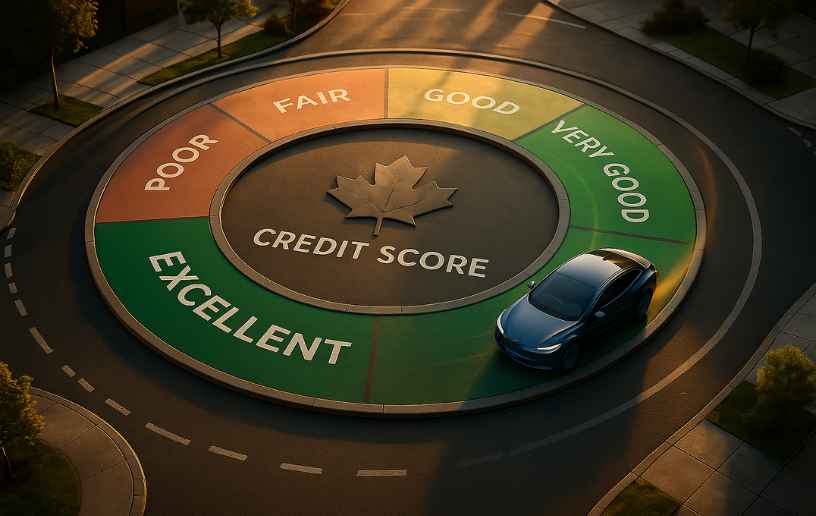
Rate shopping still follows credit-inquiry rules. Cluster applications in a short window when possible. Our overview of car loan rates by credit score helps set expectations before you apply.
Questions to ask before you sign a balloon deal
Ask for the balloon amount in dollars on the contract face. Confirm whether early payout of the balloon changes fees. Confirm whether the residual assumes a mileage cap like a lease; some structures quietly borrow lease logic. Ask how refinance eligibility is assessed at maturity and whether the same lender offers a renewal product.
If the salesperson cannot answer without calling someone else, wait for the written answer. Verbal promises about "we will just refinance you later" are not a plan. Your future credit, income, and the car's value all have to cooperate for that story to work.
Bottom line
Balloon financing trades payment comfort today for a maturity problem tomorrow. If you already have one, start planning 6-12 months out: value the car, quote the payoff, and line up refinance or sale options. If a dealer is pitching a balloon on a new purchase, run the full cost math before you sign.
Auto Lending Canada helps drivers across British Columbia, Alberta, and Saskatchewan structure loans without surprises at the end of the term. Start your application here.