Boat Financing in Canada: What to Know Before You Apply
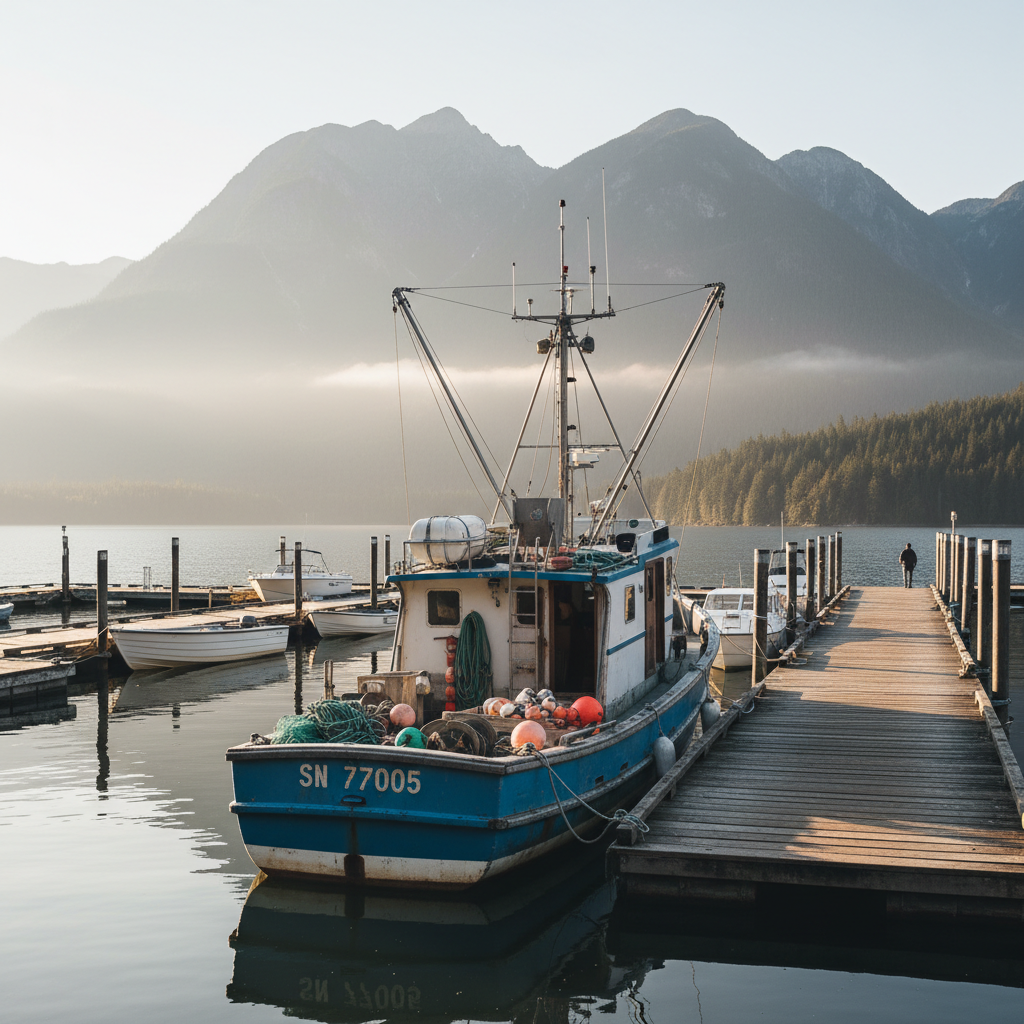
28 September 2026Boat shopping season in British Columbia, Alberta, and Saskatchewan runs on a short, intense window, roughly April through July, before everyone's already out on the water and inventory thins out. If you're financing rather than paying cash, it helps to know the process looks closer to RV or ATV financing than a straightforward car loan. Here's what actually shapes a boat loan in Canada and how to apply without wasting hard credit inquiries at every marina finance desk.
How boat financing differs from a car loan
The basic structure is familiar: a secured loan against the vessel, fixed payments, a lien the lender holds until you've paid it off. The differences show up in the details.
Terms tend to run longer than an auto loan, sometimes 10 to 15 years on larger vessels, since boats generally cost more relative to typical income and depreciate more slowly once you're past the first couple of seasons. That longer runway is also why fewer mainstream banks bother with marine lending. Specialty and recreational lenders who understand vessel valuation tend to fill that gap, much like they do with powersports financing more broadly.
What lenders actually check
Expect the standard underwriting pillars, with a few marine-specific wrinkles:
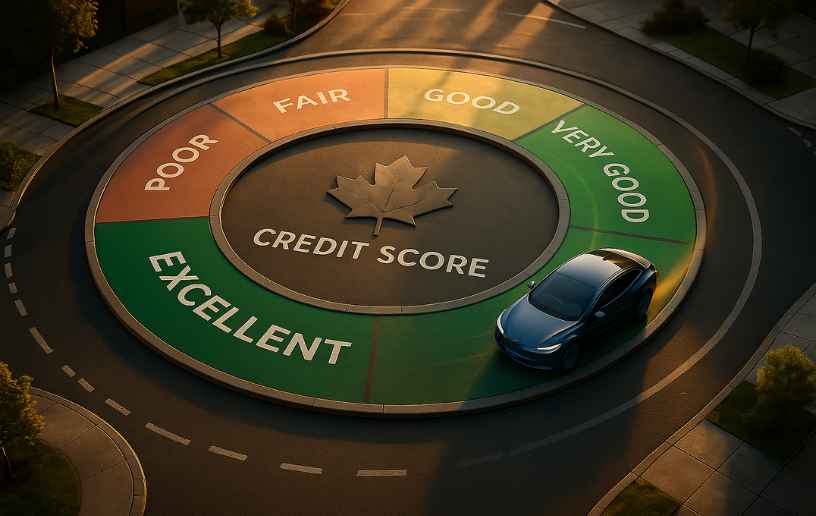
- Credit score and history: Stronger credit gets better rates and longer terms, same as any secured loan.
- Income and debt-to-income: Lenders want the boat payment to sit comfortably next to your mortgage, car loan, and other debt, not stretch you for something you'll use a few months a year.
- Down payment: Marine lenders often expect more down than a car loan, commonly 10 to 20 percent, and sometimes more on older or higher-value vessels.
- Vessel age, hours, and condition: Older boats or ones with a lot of engine hours face tighter caps. A marine survey (the boat equivalent of a pre-purchase inspection) is close to non-negotiable on anything used.
- Hull material and engine type: Fibreglass, aluminum, and wood hulls carry different risk profiles, as do inboard versus outboard engines, and some lenders price or cap loans differently based on these.
New versus used boats
New boats come with manufacturer warranties and predictable dealer-affiliated financing, but they depreciate hard in the first couple of seasons, similar to a new vehicle. A used boat three to seven years old from a reputable builder can be a real value once someone else has absorbed that early drop, but you'll face a smaller pool of lenders willing to finance it and a harder look at condition.
If you're buying privately, which is common with boats since a lot of owners sell directly rather than trade through a dealer, get an independent marine survey before you finalize anything. A surveyor checks the hull, engine, electrical systems, and structural integrity in ways a walkthrough and a test run on a calm day won't reveal. Some lenders require a recent survey before they'll fund an older vessel, so arrange it early rather than after you've already got a seller waiting.
Budgeting beyond the loan payment
The loan payment is the predictable number. The costs that surprise new boat owners are the ones that show up after the sale: moorage or storage (which can run several hundred dollars a month at a BC marina in peak season), marine insurance, winterization and spring commissioning, and fuel, which adds up fast on anything with a larger engine. Add registration and, depending on the vessel and province, potential PST or GST considerations on the purchase itself.
Run the full number, loan payment plus moorage plus insurance plus a maintenance buffer, against your actual budget before you sign. A boat that fits your income on a spreadsheet can still strain your summer if you didn't price out what it costs to keep it in the water.
Seasonal use and lender flexibility
Because most recreational boats in Western Canada only see regular use for a few months a year, some marine lenders offer seasonal payment structures, lower or skipped payments in the off-season, higher payments through boating months. This isn't universal, but it's worth asking about directly if your income or usage pattern is seasonal too, particularly for tourism operators or charter businesses rather than strictly personal use.
Where to shop for boat financing
Marine dealers often have in-house or partner financing that can be competitive, especially on new boats with manufacturer promotions. But a single dealer's lender relationships rarely cover every credit tier or every type of vessel. A broker that shops recreational and specialty lenders across British Columbia, Alberta, and Saskatchewan widens the field, particularly useful if your credit is still building or you're financing an older used vessel a captive lender won't touch.
Practical tips before you apply
- Know the vessel's year, length, engine hours, and asking price before you start the application.
- Get a marine insurance quote early; it's underwritten differently than auto or even RV insurance.
- Arrange an independent marine survey on any used vessel before you commit.
- Price moorage or storage into your monthly budget, not as an afterthought once you've already signed.
- Ask about seasonal payment options if your income or usage is seasonal.
Ready to finance a boat?
Auto Lending Canada helps buyers across British Columbia, Alberta, and Saskatchewan compare financing options for boats and other recreational vehicles, from a modest fishing boat to a larger cruiser. Approval and terms depend on your credit, income, and the vessel itself, but comparing more than one lender is still the most reliable way to find out what fits. Start your application here.