
Can You Have Multiple Car Loans in Canada?
04 May 2026For many Canadians, owning more than one vehicle is no longer unusual. Families often need separate vehicles for commuting, school runs, or work schedules. Some drivers finance a second vehicle for business use, while others replace a vehicle before the original loan is fully paid off.
That naturally raises a common question: can you legally and realistically have multiple car loans in Canada?
The short answer is yes. Having one active auto loan does not automatically prevent you from getting another. In fact, many Canadians successfully finance two or even more vehicles at the same time. What matters most is whether your financial profile supports the additional debt responsibly.
Lenders look beyond the number of loans you already have. They focus on affordability, income stability, payment history, and overall financial risk before approving another vehicle loan.
Here’s what Canadians should know before applying for a second car loan.
Is It Allowed to Have More Than One Car Loan in Canada?
Yes — there is no such law in Canada that limits you to a single car loan.
Banks, credit unions, dealership lenders, and alternative financing companies can approve multiple vehicle loans under the same name if the borrower qualifies financially.
This situation is actually more common than many people assume. Canadians may carry multiple auto loans for reasons such as:
- Two-driver households
- Personal and business-use vehicles
- Co-signed vehicle loans
- Replacing a financed vehicle before the old loan ends
- Growing families needing an additional car
The approval itself depends entirely on the lender’s assessment of risk and affordability.
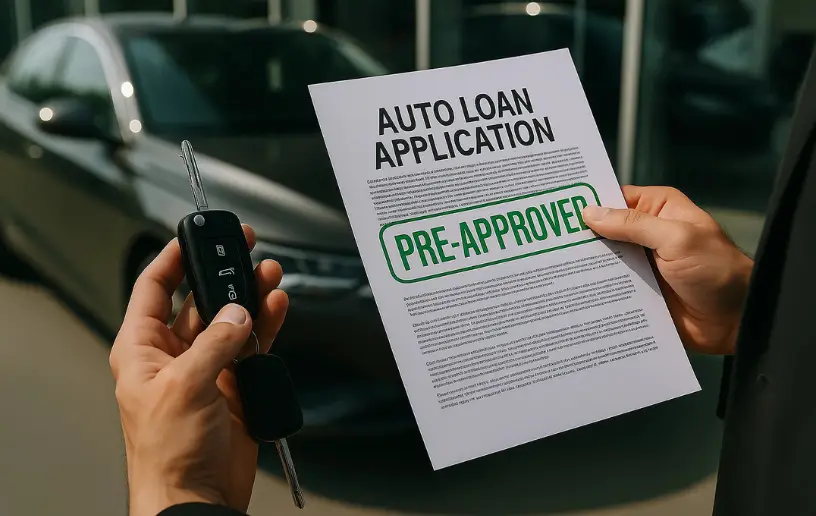
Before you visit a dealership, get pre-approved.
What Lenders Check Before Approving a Second Car Loan
Getting approved for another vehicle loan depends heavily on how lenders assess your overall financial situation. Having one active car loan does not automatically disqualify you, but lenders will closely examine whether taking on another payment is financially manageable in the long run.
Debt-to-Income Ratio
One of the first things lenders review is your debt-to-income ratio (DTI), which helps them understand how much of your monthly income is already committed toward existing financial obligations. This includes expenses such as current car payments, mortgage or rent, credit card balances, student loans, personal loans, and lines of credit.
Even borrowers with strong incomes can face difficulties getting approved if a large portion of their earnings is already tied up in debt repayments. Lenders want to see that a second vehicle payment can comfortably fit within your monthly budget without creating financial pressure or increasing the risk of missed payments.
Credit History
Your credit profile becomes even more important when applying for an additional car loan. Lenders typically look at factors such as your payment history, current credit utilization, length of credit history, previous loan performance, and whether you have any collections or missed payments on file.
Interestingly, an existing car loan can actually strengthen your application if it has been managed responsibly. Consistently making payments on time demonstrates financial discipline and shows lenders that you can handle long-term credit obligations effectively. On the other hand, missed payments or high revolving debt can quickly raise concerns about repayment capacity.
Stable Income
Income stability is another major factor lenders consider during the approval process. In Canada, lenders generally prefer borrowers with predictable and consistent earnings, whether the income comes from full-time employment, part-time work, self-employment, incorporated businesses, gig economy work, pensions, or even seasonal employment in some cases.
To verify income, lenders may request documents such as recent pay stubs, bank statements, employment letters, tax returns, or a Notice of Assessment (NOA). Self-employed applicants may face additional scrutiny, especially if their income fluctuates significantly from year to year.
Common Situations Where Canadians Have Multiple Car Loans
Having more than one vehicle loan is more common in Canada than many people realize. In many cases, it is simply a result of changing family needs, work requirements, or vehicle upgrades over time.
Multi-Vehicle Families
Many Canadian households rely on more than one vehicle to manage daily life efficiently. Different work schedules, long commuting distances, school drop-offs, and family responsibilities often make a single vehicle impractical. As a result, it is common for spouses or partners to finance separate vehicles either individually or through joint applications.
Business Owners and Self-Employed Drivers
For business owners and self-employed professionals, multiple vehicle loans are often tied directly to work needs rather than personal spending. Contractors, realtors, consultants, rideshare drivers, delivery workers, and small business owners may require additional vehicles for daily operations or client-related travel.
In some situations, borrowers may maintain one vehicle for personal use while financing another for commercial purposes. Small businesses may also finance additional vehicles for employees or operational use. Depending on whether the financing is done personally or through a corporation, the loan structure and approval process can vary slightly.
Trading In a Vehicle Before the Loan Is Fully Paid Off
Another common scenario involves Canadians replacing a vehicle before completing the original loan term. Many borrowers choose to trade in their current vehicle while there is still an outstanding balance remaining on the loan.
In these situations, dealerships may combine the unpaid balance from the existing loan into the financing for the new vehicle — a process commonly referred to as rolling over negative equity. While this can make upgrading to another vehicle easier, it may also increase the total financed amount and lead to higher monthly payments over time.
Understanding how much is still owed on the original loan before trading in a vehicle is an important financial step.
Co-Signed Auto Loans
Co-signing a vehicle loan is another situation that can contribute to multiple loan obligations. Even if the primary borrower is responsible for making the payments, lenders may still consider the co-signed loan as part of your financial responsibilities when reviewing another credit application.
Because of this, co-signed loans can affect your borrowing capacity, debt ratios, and approval amounts for future vehicle financing.
Can You Get a Second Car Loan With Bad Credit?

Yes, getting approved for a second car loan with bad credit is possible in Canada, but the process is usually more challenging and comes with stricter lending conditions. Traditional lenders may be more cautious when reviewing applicants with lower credit scores, which is why many borrowers in this situation turn to subprime or alternative lenders.
Even with weaker credit, approval may still be possible if other parts of your financial profile help offset the risk. Lenders often look for signs that the borrower can realistically manage another vehicle payment despite past credit issues.
Some factors that may improve approval chances include:
- Stable and verifiable income
- Consistent employment history
- A reasonable down payment
- Recent improvement in payment behavior
- Lower existing debt obligations
That said, borrowers with poor credit should also be prepared for stricter financing terms. In many cases, lenders reduce their risk by adjusting the loan structure or increasing borrowing costs.
This may include:
- Higher interest rates
- Larger down payment requirements
- Lower approval amounts
- Additional income verification
- Greater overall lender scrutiny
Before taking on a second vehicle loan with bad credit, it’s important to focus not only on getting approved, but also on whether the payments remain manageable long term. A loan that stretches the budget too aggressively can create additional financial pressure and make future borrowing even more difficult.
Will Multiple Car Loans Hurt Your Credit Score?
Having multiple car loans can influence your credit score in several ways, depending largely on how the loans are managed over time. While taking on additional financing may increase financial obligations, it does not automatically damage your credit profile.
From a risk perspective, lenders and credit bureaus may view multiple active auto loans as an increase in overall debt exposure. This can lead to concerns if the borrower is already carrying significant financial commitments.
Some of the potential negative effects may include:
- Higher overall debt levels
- Increased monthly payment obligations
- Multiple hard credit inquiries from loan applications
- Greater financial strain if payments become difficult to manage
However, auto loans are installment-based credit accounts, and when handled responsibly, they can also contribute positively to your credit history. Consistently making payments on time demonstrates reliability and strong repayment behavior, which may help strengthen your credit profile over time.
In many cases, the impact of multiple car loans depends less on the number of vehicles financed and more on whether the borrower maintains healthy payment habits and keeps overall debt at a manageable level.
Secure your car loan pre-approval through Auto Lending Canada before you start shopping.
What Happens if You Miss Payments on One of the Loans?
Missing payments on a vehicle loan can lead to serious financial consequences, especially when managing multiple auto loans at the same time. Even a few missed payments may affect both your credit profile and your ability to qualify for future financing.
When payments are delayed or consistently missed, lenders may take several actions depending on the severity of the situation. Common consequences can include:
- Damage to your credit score
- Collection calls or recovery efforts
- Increased difficulty qualifying for future loans
- Higher interest rates on future borrowing
- Loan default proceedings
- Vehicle repossession
In Canada, auto loans are considered secured loans, meaning the financed vehicle acts as collateral for the lender. If payments remain unpaid for an extended period, the lender may have the legal right to repossess the vehicle in order to recover losses.
A repossession can remain on your credit history for years and may significantly reduce future financing options. It can also make lenders more cautious when reviewing future loan applications, particularly for borrowers already carrying multiple debts.
For this reason, anyone managing more than one car loan should ensure there is enough financial flexibility within their budget to handle unexpected expenses, temporary income changes, or emergency situations without falling behind on payments.
Leasing vs Financing a Second Vehicle
| Factor | Leasing a Vehicle | Financing a Vehicle |
| Monthly Payments | Usually lower monthly payments | Often higher monthly payments depending on loan term |
| Ownership | Vehicle is returned at the end of the lease unless purchased separately | Full ownership once the loan is paid off |
| Vehicle Upgrades | Easier to switch to newer vehicles more frequently | Owners may keep the vehicle long term |
| Mileage Limits | Typically includes annual mileage restrictions | No mileage limitations |
| Customization | Limited ability to modify the vehicle | Greater flexibility for modifications |
| Best Suited For | Drivers who prefer newer vehicles and shorter commitments | Drivers planning long-term ownership |
| End-of-Term Options | Return, renew, or buy out the vehicle | Vehicle remains fully owned after repayment |
| Qualification Requirements | Credit and income verification still required | Credit and income verification still required |
Tips Before Applying for Another Car Loan in Canada
Review Your Budget Honestly: Look beyond today’s affordability and consider future stability as well. Unexpected expenses, rising insurance rates, or changes in income can quickly impact monthly finances.
Check Your Credit Report First: Reviewing your credit report beforehand can help identify issues that may affect approval. Errors, missed accounts, or unusually high balances should be addressed before applying.
Avoid Multiple Applications at Once : Submitting several loan applications within a short period can trigger multiple hard inquiries and create concern for lenders.
Consider a Down Payment: A larger down payment can reduce the loan amount, improve approval chances, and lower monthly costs.
Think Beyond the Monthly Payment: Long loan terms may lower monthly payments temporarily but can increase total interest costs significantly over time.
Key Takeaways Before Taking on Multiple Car Loans
Having multiple car loans in Canada is more common than many people think, especially among families, business owners, and households with changing transportation needs. What lenders care about most is not how many vehicles you finance, but whether your income, credit profile, and overall financial situation can comfortably support the additional payment obligations.
Before approving another auto loan, lenders closely evaluate factors such as affordability, debt levels, payment history, income stability, and long-term repayment capacity. Borrowers with strong financial habits and manageable debt are generally in a better position to handle multiple vehicle loans responsibly.
At the same time, taking on another car payment should involve more than simply qualifying for approval. It’s important to consider the full cost of ownership, including insurance, fuel, maintenance, registration, and future financial flexibility.
Make your next move easier with Auto Lending Canada.