
Car Loan Balance Calculator: How to Find Out What You Actually Still Owe
20 September 2026Most car loan calculators answer one question: what will my monthly payment be. That's useful when you're shopping for a vehicle, but it's the wrong tool once you're partway through a loan and actually need to know something different, how much you still owe right now. That number matters more than people expect, and it's not always what you'd guess just by looking at how many payments you have left.
Why Your Remaining Balance Isn't Just "Payments Left x Payment Amount"
Car loans are amortized, meaning each payment is split between interest and principal, and that split changes over the life of the loan. Early on, a larger share of every payment goes toward interest, with only a small amount actually reducing what you owe. Later in the term, that flips, and most of each payment chips away at the principal. Because of this, multiplying your remaining number of payments by your payment amount will overstate what you actually owe, sometimes by a meaningful amount, especially if you're still in the first third of the loan.
How to Actually Calculate It
To find your real remaining balance, you need three things: your original loan amount, your interest rate, and how many payments you've made. From there, the calculation applies your rate to the declining balance month by month, subtracting the principal portion of each payment as it's made. Doing this by hand is tedious, which is exactly why a proper amortization-based calculator exists rather than a simple multiplication. If you want to see how this split works payment by payment, our car loan amortization calculator guide walks through exactly how principal and interest divide up over the life of a loan.
The fastest accurate source, though, is usually your lender's own account portal or your most recent statement, which shows your exact payout balance as of that date, including any fees that would apply to an early payoff. A calculator gets you a close estimate for planning purposes; your lender's actual figure is the number that matters when you're ready to act on it.
When Your Remaining Balance Actually Matters
Most people only think about their loan balance when they're making a decision that depends on it. If you're trading in your vehicle, your remaining balance compared to what the car is worth determines whether you have equity to put toward the next purchase or negative equity that gets rolled into a new loan. Our guide on how trade-in equity affects your next car loan covers how that math plays out, and our breakdown of negative equity car loans in Canada is worth reading first if you suspect you might owe more than the car is currently worth.
If you're considering refinancing, your current balance and rate are the two numbers a new lender will compare against what they can offer you. Refinancing only makes sense if the new terms genuinely beat what you're carrying now once fees are accounted for, and our article on whether refinancing your car loan is actually worth it lays out how to run that comparison properly.
Paying Off Early Changes the Math Too
If you're weighing an early payoff, your remaining balance is only half the picture. Some lenders charge a prepayment penalty or an interest adjustment for paying off a loan ahead of schedule, so the number you owe on paper isn't always the number it costs to close out the account. Before you commit extra money to an early payoff, it's worth confirming with your lender exactly what settling the loan today would cost, not just what the calculator says you technically owe. Our guide to smart ways to pay off your car loan early covers how to check for those terms before you send extra money toward the balance.
What a Balance Calculator Needs to Be Accurate
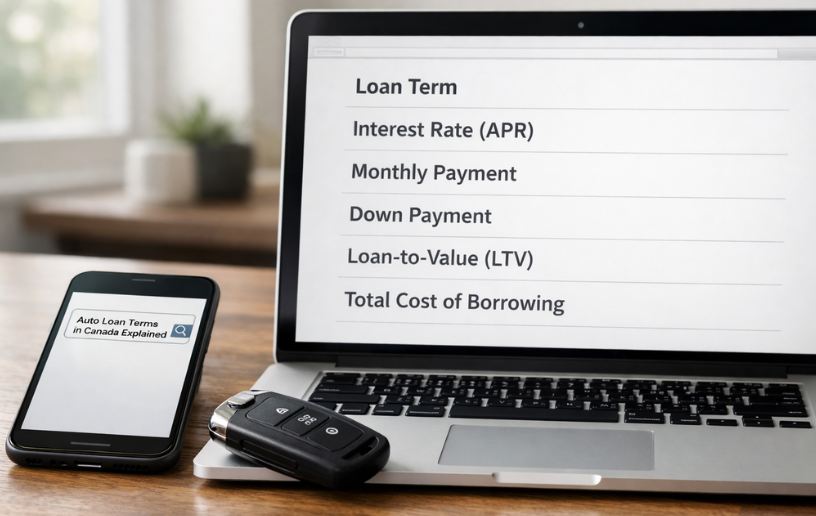
A calculator is only as good as what you put into it. You'll want your original loan amount, your annual interest rate, your original term length, and either the number of payments made or the date your loan started. Small errors in your rate or start date compound over time in an amortized loan, so if the number a calculator gives you looks meaningfully different from what your lender's statement shows, trust the statement. Calculators are built for planning ahead of a decision, not for replacing the lender's actual accounting.
Selling or Trading In Before the Loan Is Paid Off
If you're planning to sell privately rather than trade in, knowing your exact payout balance in advance is essential, since you'll need to settle it with your lender before the vehicle's title can transfer cleanly to a new owner. Our guide on timing a trade-in well touches on how your loan balance factors into that decision alongside the vehicle's market value.
The Bottom Line
Your remaining car loan balance isn't a simple multiplication problem, it's the result of an amortization schedule that front-loads interest and back-loads principal. A calculator gets you a close planning estimate, but your lender's own statement is the number to rely on before you refinance, trade in, sell, or pay off early. Knowing the real figure, rather than an assumed one, is what keeps any of those decisions from costing more than you expected.
Auto Lending Canada helps buyers across BC, Alberta, and Saskatchewan understand exactly where they stand on a car loan, whether you're shopping for a new one or figuring out what you owe on your current one. Start your application here to see what refinancing or a new loan could look like for you.