Car Loans in Edmonton: Rates, Requirements & How to Get Approved (2026)
22 August 2026Shop for a vehicle in Edmonton and you notice pretty quickly that the math here isn't the same as it is in a lot of the country. Trucks and SUVs dominate the lots. Winter tires and all-wheel drive aren't optional extras. And the price tags reflect all of it. Getting a car loan in Edmonton means dealing with those realities directly, whether you're financing a work truck for a job site outside the city or a reliable commuter for the drive down Whitemud Drive in January. Below is what rates and terms typically look like for Alberta buyers right now, what lenders are checking before they approve you, and how to put together an application that gives you a real shot at a workable rate.
Why Edmonton's Car Market Plays by Its Own Rules
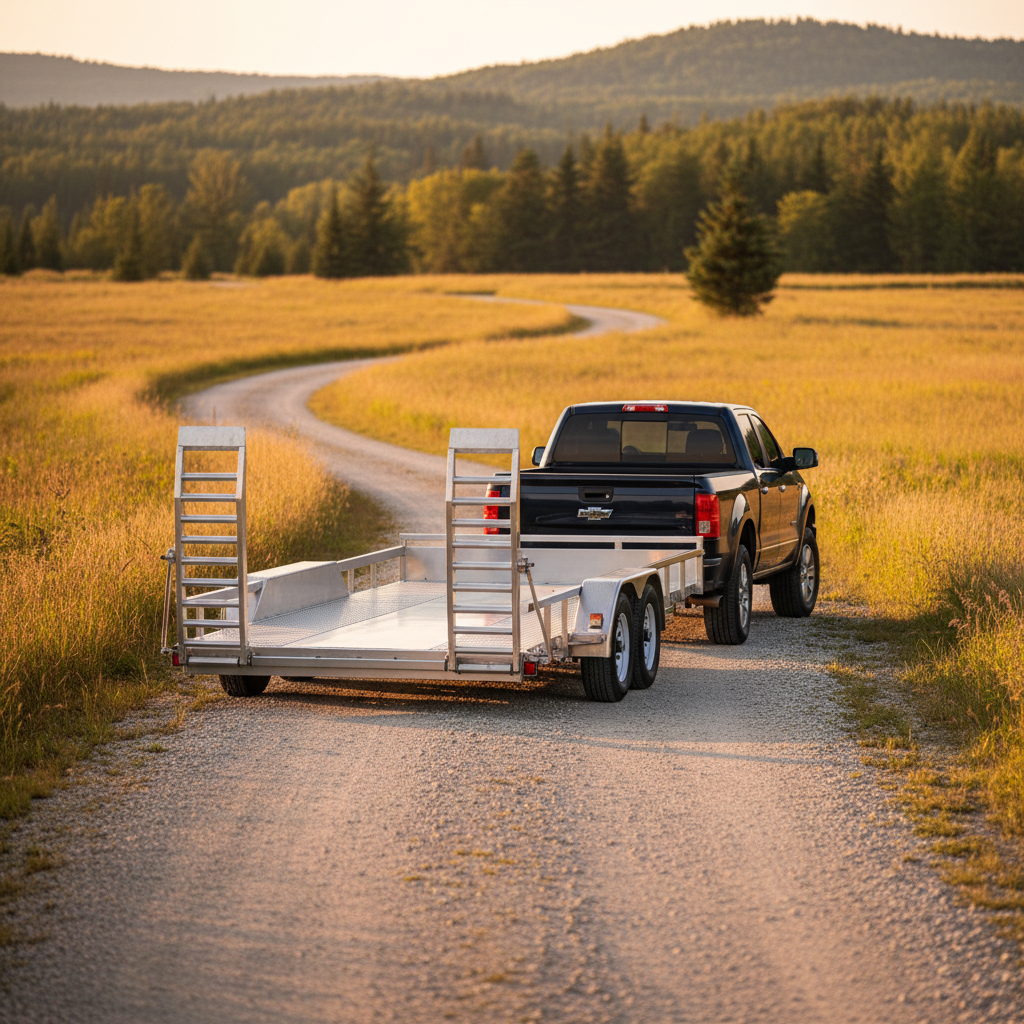
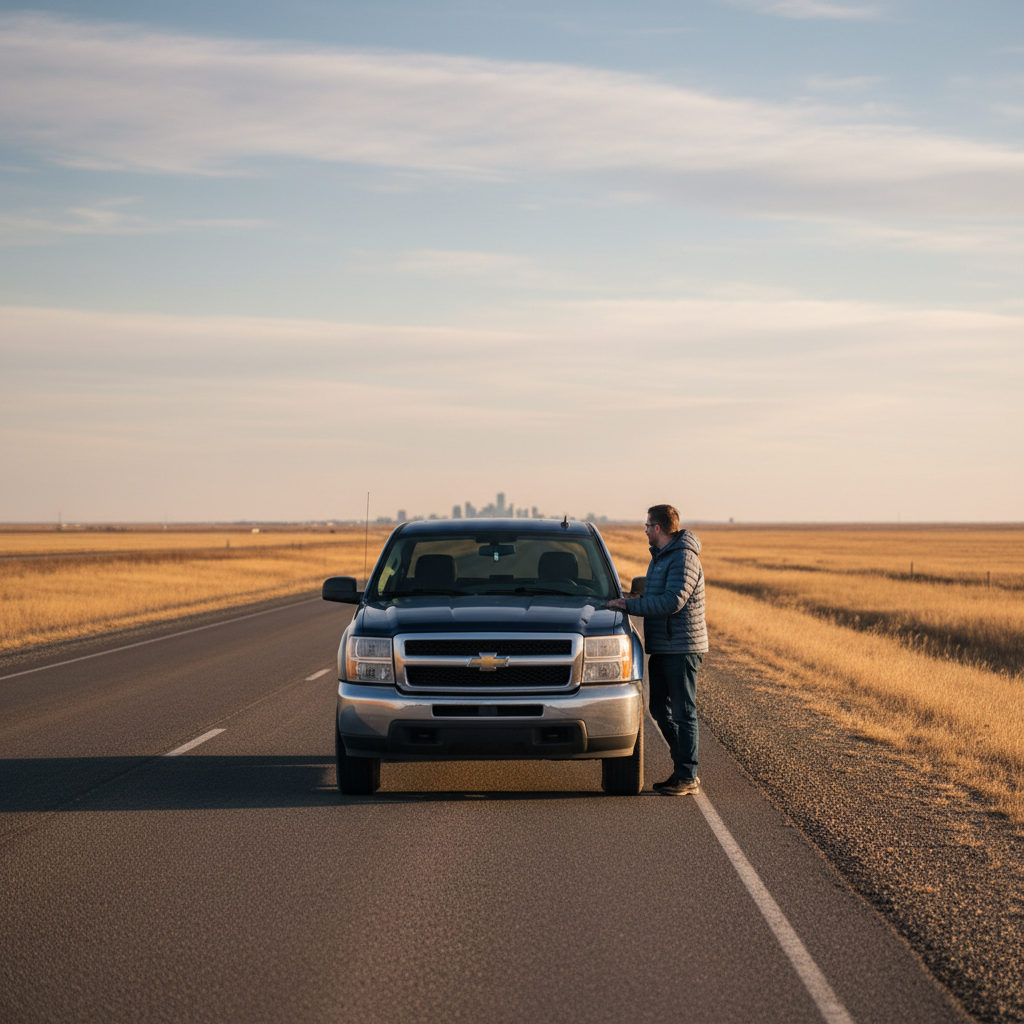
Alberta has had some of the highest average vehicle prices in Canada for years, and Edmonton is a big part of that. Trucks aren't a lifestyle choice here so much as a practical need. You need one for hauling, for towing, for getting to a rig or a job site outside the ring road, or just for handling gravel roads and snow. That pushes average purchase prices up compared to provinces where compact cars and hatchbacks make up a bigger share of sales. An F-150 or a Ram 1500 costs meaningfully more than a Civic, and financing that gap usually means a bigger down payment, a longer term, or both.
Weather shapes buying decisions too. A car that gets you through an Edmonton winter reliably, with decent ground clearance, all-wheel drive, maybe a place to plug in a block heater, tends to cost more upfront than something suited to a milder climate. Lenders underwriting loans in this market are used to seeing higher loan amounts than the national average. Worth knowing going in: an Edmonton buyer asking for financing on a $45,000 truck isn't an outlier here the way they might be in a smaller Ontario market.
What Car Loan Rates and Terms Look Like Right Now
Auto loan Edmonton rates vary a lot based on your credit profile, the age and value of the vehicle, and which lender you end up with. There's no single number that applies to everyone, so be skeptical of any site that promises otherwise. Buyers with strong credit and stable income tend to land in the lower-to-mid single digits on new vehicles through bank and credit union channels. Borrowers who are rebuilding credit or self-employed often see rates in the high single digits to low double digits, particularly through non-prime lenders taking on more risk. Used vehicles, especially older or higher-mileage ones, generally carry higher rates than new ones because the lender's collateral is worth less over the life of the loan.
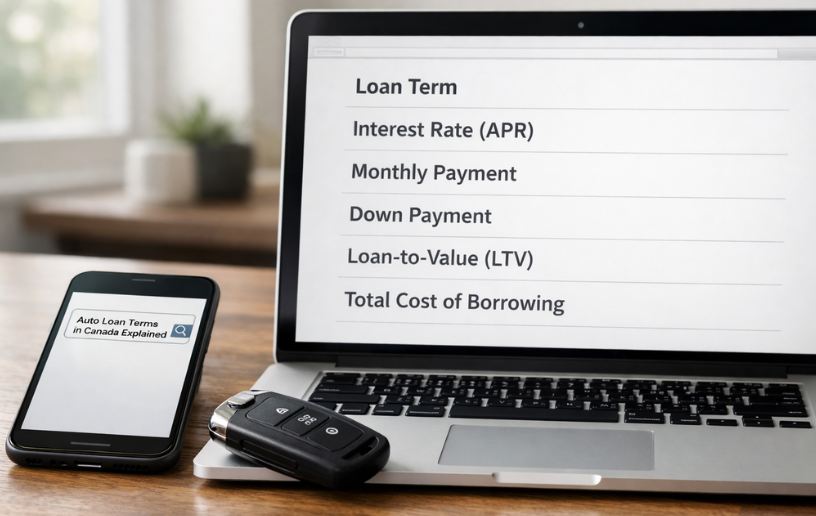
Terms in Alberta commonly run from 36 to 84 months, with 60 to 72 months being a common middle ground for buyers who want a truck or SUV without stretching payments over seven years. Longer terms lower the monthly payment but mean more interest paid overall, and a longer stretch where you might owe more than the vehicle is worth. That's worth weighing carefully if you're financing a higher-priced Alberta vehicle. A down payment, even a modest one, still moves the needle on both rate and monthly payment, and trading in an existing vehicle can do the same job if you don't have cash saved.
What Lenders Actually Look At Before Approving You
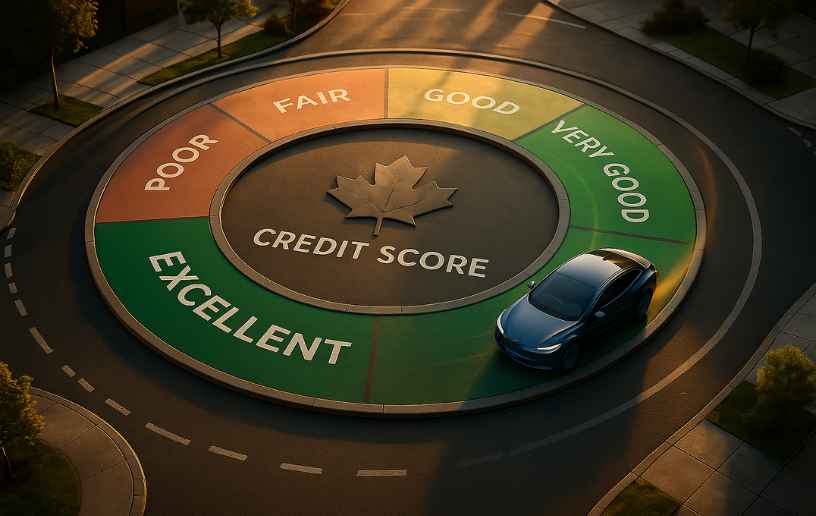
Every lender has its own scorecard, but a few things come up consistently when you apply for Alberta car loan approval. Income is the first. Lenders want to see that what you bring home comfortably covers the new payment on top of your existing bills, and they'll usually ask for recent pay stubs or a Notice of Assessment to confirm it. Credit history matters, though maybe not as much as people assume. A lower score doesn't automatically mean a no, but it typically means a higher rate to offset the lender's risk. If you're not sure where your own credit stands, or what a lender is likely to consider workable, it's worth reading the piece on the minimum credit score typically needed for a car loan in Canada before you start applying.
Residency and employment history come up too. Lenders generally want to see you've been at your current address and job for a reasonable stretch, though exceptions exist for newcomers still building a Canadian credit file. Edmonton's economy leans heavily on oil and gas, construction, and skilled trades, so a lot of applicants here work rotational shifts, are on a fly-in-fly-out schedule, or get paid through a numbered company instead of a straightforward T4. That kind of income isn't a dealbreaker. It just means the lender may ask for extra paperwork, like employment letters or bank statements, to confirm the income is steady even if the schedule isn't nine-to-five. Some lenders are simply more comfortable with shift and contract work than others, which is part of why it helps to have more than one lender looking at your file.
Why Comparing Lenders Beats Applying at Just One Bank
A lot of Edmonton buyers still walk into a single bank branch, fill out one application, and take whatever rate comes back, without ever finding out whether a credit union or a non-prime lender down the street would have offered better terms for the same profile. The problem with that approach is that every lender weighs income, credit, and employment type a little differently. A rate you're quoted at one institution isn't necessarily what's available to you elsewhere.
That's basically the reason a car loan broker model exists. Instead of betting everything on one application, a broker submits your file to a network of lenders at once and brings back the offers that are actually willing to work with your situation, whether that's strong credit looking for the lowest possible rate or a thinner credit file that needs a lender with more flexibility. For a fuller explanation of how that process works, our post on what a car loan broker actually does in Canada walks through it in more detail. Auto Lending Canada works this way for Edmonton and Alberta applicants specifically: one application gets compared across our lender network, so you're not gambling your approval odds on a single institution's appetite that day.
For buyers with a bumpier credit history, comparison shopping matters even more. Not every lender treats past credit issues the same way, and some specialize in rebuilding files that a traditional bank would decline outright. If that sounds like your situation, the guide to bad credit car loans in Canada covers what to expect and how approval odds tend to improve once income and stability are demonstrated. And if you're newer to Canada and still building a credit history here, the article on car financing for newcomers in Canada is worth reading before you apply, since it covers the documentation lenders tend to ask for in that case.
How to Apply for a Car Loan in Edmonton, Step by Step
Start by getting a realistic sense of your budget before you fall for a specific truck or SUV on a lot. Factor in not just the loan payment but insurance, which tends to run higher in Alberta for larger vehicles, plus fuel and maintenance. From there, gather what a lender will want: proof of income (pay stubs, a Notice of Assessment, or an employment letter if your schedule is non-standard), proof of residency, and basic ID.
Submit one application rather than several scattered ones. Multiple hard credit checks in a short window from different lenders you approached individually can work against you. A single application processed through a broker's lender network avoids that, since it's submitted once and shared, not repeated. Once offers come back, look past the headline rate. Check the term length, any prepayment penalties, and the total cost of the loan over its full life, not just the monthly number.
Once you've settled on an offer, the lender will typically want a purchase agreement or vehicle details before finalizing, whether you're buying from a dealership or a private seller. Having your financing sorted out before you're standing on a lot under pressure to decide usually puts you in a stronger position on the vehicle price itself.
If you're ready to see what's actually available to you, you can apply with Auto Lending Canada and get your file in front of our Edmonton-area lender network. It takes a few minutes to submit, and there's no obligation to accept an offer you're not comfortable with. You'll simply see what terms lenders are willing to put on the table for your situation.
Edmonton car financing comes with its own set of considerations, from higher average vehicle prices to lenders that need to understand shift-based and oil-and-gas income. Working with a broker who already knows the local market, instead of applying cold at a single branch, is often the more efficient way to find a rate and term that actually fits your budget.