
Financing a Dealer Demo Vehicle in Canada: How It Works and What Changes
22 September 2026A demo vehicle sits in an odd middle zone at the dealership. It has never been sold, never had a previous owner on the registration, and is usually priced and marketed as new. It's also already got a few hundred, sometimes a few thousand, kilometres on the odometer from test drives, staff use, or service as a loaner. Whether it finances like a new car or a used one depends on details a lot of buyers don't think to ask about until they're already at the finance desk.
What actually counts as a demo vehicle
Demo vehicles are typically current or recent model-year units a dealership keeps on hand for test drives, sometimes assigned to staff for a period, and occasionally used briefly as a loaner for service customers. Executive vehicles, sometimes called program cars, are similar but usually come from a manufacturer's own fleet, driven by regional staff for a set period before being sold through dealerships at a discount. Neither has had a retail owner, and both are usually sold with the balance of the factory warranty intact, calculated from the original in-service date rather than restarting the clock at your purchase.
How lenders actually classify a demo vehicle
This is the part that varies the most by lender, and it's worth asking about directly rather than assuming. Some lenders finance a demo vehicle at new-vehicle rates, since it's never been registered to a previous owner and the mileage is low relative to its age. Others treat any vehicle with delivery mileage beyond a certain threshold, sometimes as low as 5,000 km, as used for financing purposes, regardless of how the dealership is marketing it. That distinction can move your rate meaningfully, since used car financing in Canada consistently prices higher than new across every credit tier.
The safest approach is asking the lender directly, before you commit to the vehicle, whether they're pricing it as new or used, and at what mileage threshold that classification would flip. A dealership's finance office may advertise "new car rates" on a demo without clarifying that the rate is coming from their captive lender specifically, which might not match what an independent lender would offer on the same vehicle.
The discount versus the financing tradeoff
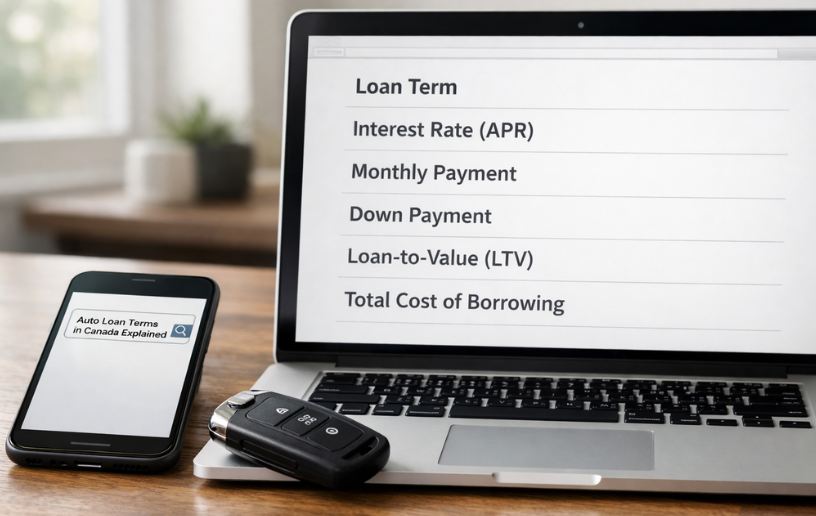
Demo and executive vehicles are typically discounted below the equivalent brand-new unit, sometimes substantially, which is the whole appeal. But if a lender prices your financing as used because of the mileage, part of that upfront discount gets offset by a higher rate over the life of the loan. Run the actual numbers rather than assuming the sticker discount is the full picture. A proper loan calculation using the specific rate you're quoted, not a generic new-car rate, tells you whether the demo actually beats an equivalent brand-new order once financing is factored in.
It's also worth comparing the demo's price against a car in a similar position on the MSRP, since dealerships price demos differently depending on how badly they want to move them off the lot before the next model year arrives.
What to check before you commit
A few specifics matter more on a demo purchase than they do on a standard new-car order. Confirm exactly how many kilometres are on the vehicle and ask for a full history of who drove it and why, staff use and test drives are different from a loaner that spent weeks in customer hands. Confirm the warranty start date, since it typically runs from when the vehicle was first put in service, not from your purchase date, which means you're getting less remaining coverage than an identical brand-new vehicle would offer. And check for cosmetic wear that a genuinely new vehicle wouldn't have, since a demo has been in and out of customers' hands for test drives.
None of this makes a demo a bad choice. It usually means real savings on a vehicle with only light use and most of its factory warranty intact. It just means the math and the paperwork deserve the same scrutiny you'd give a used purchase, not the assumption that "new" on the window sticker tells the whole story.
Getting pre-approved before you negotiate
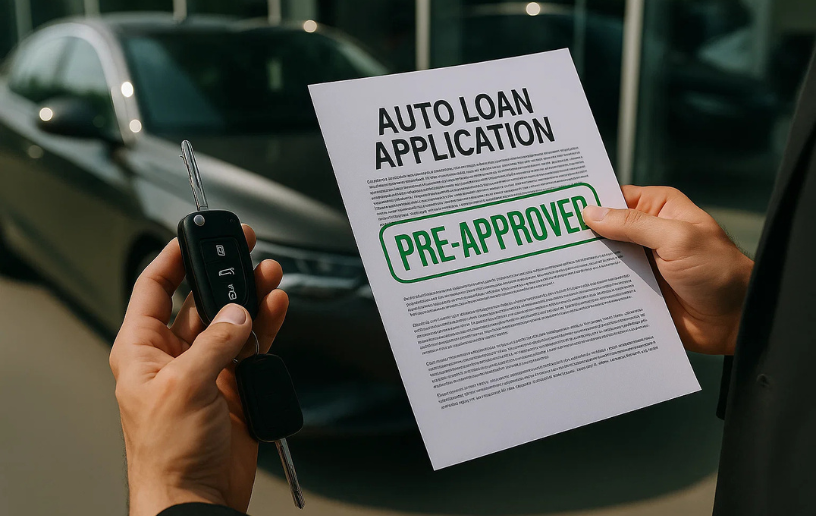
Because demo financing can be priced either way depending on the lender, walking in with your own pre-approval gives you a real number to compare against whatever the dealership's finance office quotes, rather than taking their classification and rate at face value.
The bottom line
A demo or executive vehicle can be a genuinely good deal, discounted pricing on a lightly used unit with most of its factory warranty still ahead of it, but only if the financing actually reflects that. Ask directly how the lender is classifying the vehicle, run the real numbers against the discount, and don't assume "new" on the sales sheet guarantees a new-car rate.
Auto Lending Canada finances new, used, and demo vehicles for buyers across British Columbia, Alberta, and Saskatchewan. Start your application here to find out exactly how your demo vehicle would be priced.