
Gap Insurance in Canada: What It Covers and Whether You Need It When Financing a Car
24 August 2026Total your new car six months after driving it off the lot and you run into a strange piece of math. The insurance company writes you a cheque for what the car is worth today. Your lender wants you to pay off what you still owe. Those two numbers are rarely the same, and the gap between them can run into the thousands. That gap is what gap insurance in Canada is built to cover, and it's one of the more overlooked pieces of the car-buying puzzle when you're financing rather than paying cash.
What is gap insurance in Canada, exactly?
Gap insurance, formally Guaranteed Asset Protection, is a supplemental coverage that pays the difference between your vehicle's actual cash value at the time of a total loss and the amount still owing on your auto loan or lease. Standard auto insurance only ever pays out the car's depreciated market value, not what you owe on it. If your vehicle is written off after a collision, theft, or flood, and the payout comes in lower than your loan balance, gap insurance covers that shortfall so you're not stuck making payments on a car that no longer exists.
It doesn't replace your regular collision or comprehensive coverage, and it doesn't pay out for anything short of a total loss. Your car gets stolen or written off, your comprehensive policy pays less than what you still owe the bank: that's the one scenario gap insurance is built for.
Why this matters more when you're financing
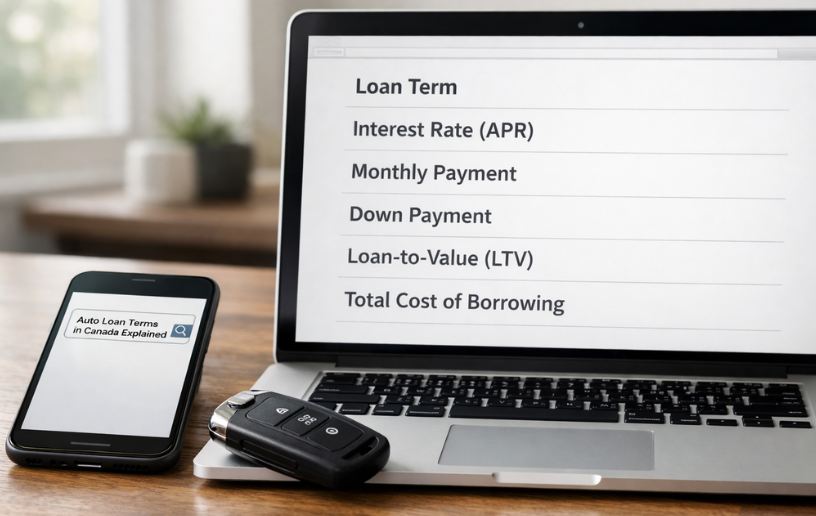
The core issue is a mismatch in speed. A new vehicle can lose a meaningful chunk of its value in the first year alone, and depreciation keeps chipping away after that. Your loan balance only drops as fast as your payment schedule allows. For the first year or two of a typical car loan, the vehicle's value can fall faster than the balance does, and that opens a window where you owe more than the car is worth. It's the same underlying problem covered in our piece on negative equity on a car loan, just triggered by a total loss instead of an early trade-in.
A few situations widen that gap and make it more likely to matter.
Smaller down payments
The less you put down at signing, the higher your starting loan balance sits relative to the car's value. Finance close to the full purchase price, or roll taxes and fees into the loan, and you start out closer to underwater than someone who put 20% down. That's the same math we walk through in our guide to a car loan down payment in Canada, just viewed from the risk side instead of the budgeting side.
Longer loan terms
Stretching a loan to 72, 84, or even 96 months lowers the monthly payment. It also slows how quickly the principal shrinks. More months on the loan means more months spent in that stretch where the car's value could sit below what's owed.
Rolled-over balances or lease-then-finance deals
Trade in a vehicle with negative equity and roll that balance into a new loan, or buy out a lease and finance the buyout, and your starting balance is inflated relative to the vehicle's actual worth from day one. These are arguably the cases where gap coverage earns its keep the most, since the cushion between value and balance was already thin before you drove away.
Vehicles that depreciate quickly, or heavy mileage
Some models simply lose value faster than others, whether that's a resale reputation issue or heavy driving accelerating wear. The faster the value drops, the longer that value-versus-balance gap stays open.
Where Canadians typically buy gap insurance
There are three common routes, and each has its own tradeoffs.
Most people first come across gap coverage at the dealership finance desk, bundled in with the rest of the paperwork when a loan gets signed. It's convenient because it's already part of the transaction, but dealership pricing on add-ons tends to run higher than the same protection bought elsewhere, so ask for the price in writing and compare it before you agree to anything. Some auto insurance brokers offer gap coverage as a rider on an existing policy or as its own standalone product, and this route can sometimes come in cheaper than the dealership version, plus it lets you actually shop around. Not every broker or insurer offers it, though, so availability shifts by province and provider. A smaller number of lenders and credit unions build gap coverage right into the financing package, which is worth asking about directly when you're arranging the loan.
Coverage details, what counts as a qualifying loss, and how claims actually get processed differ between these sources more than people expect. Reading the policy wording instead of taking a salesperson's summary at face value takes ten minutes and can save you a fight later.
How much is gap insurance in Canada?
There's no single figure here, and anyone quoting you a flat price without knowing your vehicle, loan amount, and province is guessing. Cost typically depends on the vehicle's price, how large and how long your loan is, where you live, and which provider you're buying from. Dealership add-ons often get sold as a flat one-time fee rolled into the financing, while broker or insurer coverage may show up as a smaller recurring premium instead. Because the pricing structures differ so much between providers, a specific quote for your specific loan is the only number that actually means anything. A general figure you saw somewhere online won't tell you much.
Do you actually need it?
Not every financed buyer needs gap insurance, but it's not something to wave off either. A decent way to think it through: estimate your own gap. Take your loan balance at a few points over the next year or two and compare it against what the vehicle would likely fetch on the used market at that same point. Numbers stay close together the whole way through the loan? The case for gap coverage is weak. See a stretch where the balance sits well above resale value? That's exactly the window gap insurance is meant to protect.
The case gets stronger with a small down payment, a longer term, rolled-over negative equity from a previous vehicle, or a model known for shedding value fast. It gets weaker with a substantial down payment, a shorter term, or a vehicle that tends to hold its value. It's also worth checking whether your existing auto policy already builds in some form of loan or lease payoff protection, since a few insurers include a version of this in comprehensive coverage automatically, which would make buying it separately redundant. Our overview of vehicle protection options in Canada covers how gap coverage stacks up against extended warranties and credit protection insurance if you're weighing more than one add-on at once.
The cheaper fix: shrink the gap before it exists
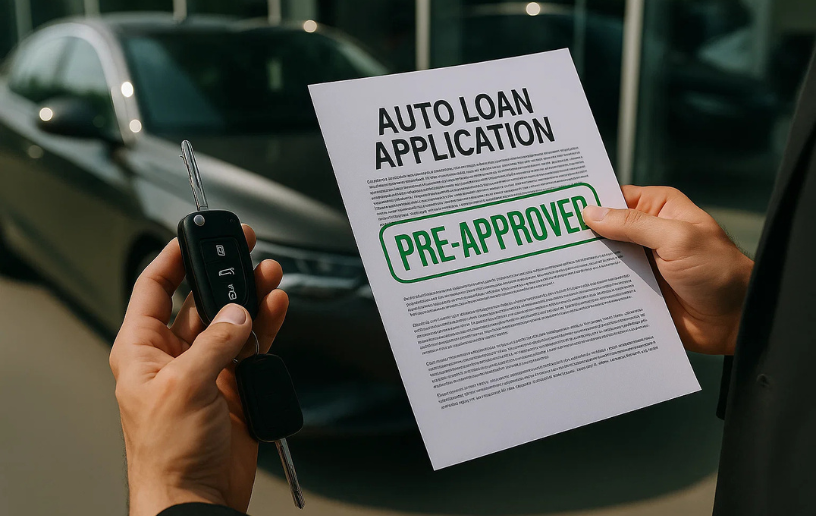
Gap insurance treats the symptom. The actual cause is how much you finance relative to what the car is worth. Put more down, choose a shorter term if your budget can handle it, and skip rolling old negative equity into a new loan, and the gap shrinks on its own, sometimes enough that you don't need the coverage at all. If you're still shopping for financing and want a real number to work from before you're sitting at a finance desk, a pre-approved car loan in Canada gives you a rate and a budget going in, which makes it a lot easier to spot an overpriced add-on when one gets pitched to you.
Whether gap insurance is the right call for you comes down to your loan, your down payment, and how fast your particular vehicle is expected to lose value. Sorting out financing that fits your budget in the first place matters more than any single add-on. If you're ready to see what you qualify for, you can apply for pre-approved auto financing with Auto Lending Canada and get a clearer picture of your loan structure before anyone offers you an add-on at all.