
How Long Does a Car Loan Pre-Approval Last in Canada?
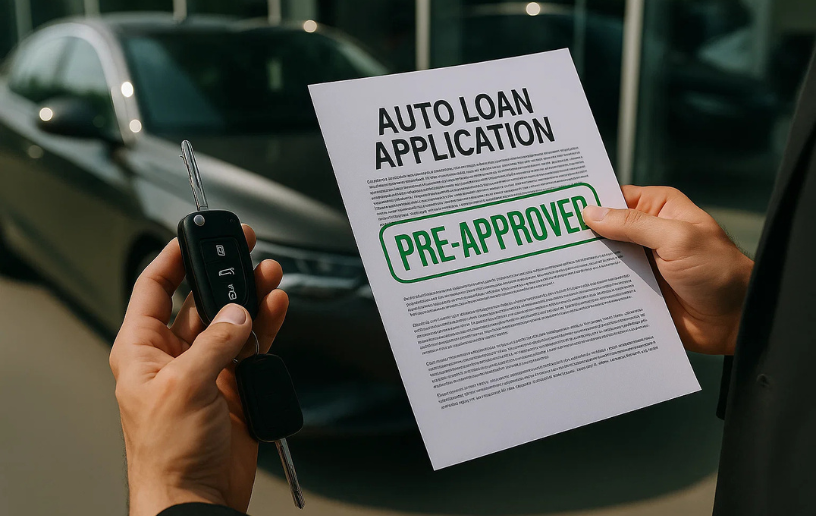
23 September 2026Getting pre-approved feels like the hard part is over. You have a number, a sense of your rate, and the confidence to actually start shopping. What a lot of buyers do not realize is that number comes with a shelf life, and showing up to negotiate on week seven of a thirty-day pre-approval can mean discovering your rate, or your approval itself, is no longer the one you were counting on.
Why pre-approvals expire at all
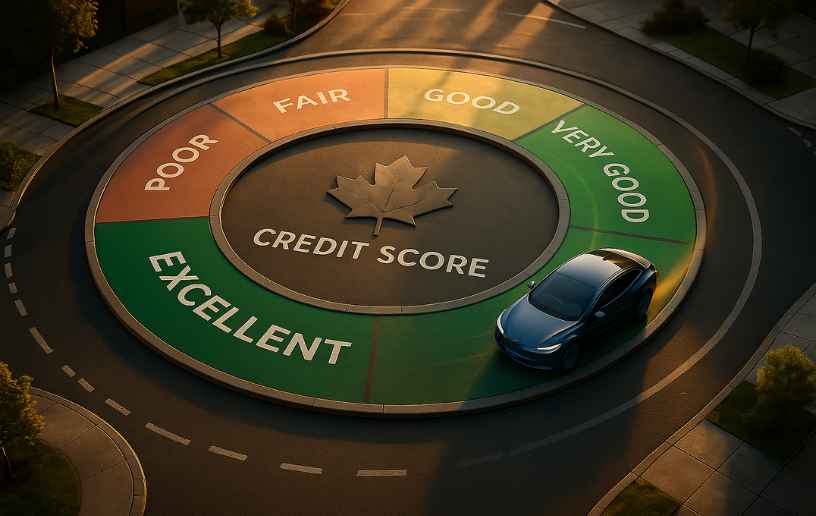
A pre-approval is a lender's assessment of your credit, income, and overall financial picture at a specific point in time, paired with the rate environment on the day it was issued. Both halves of that can shift. Your own financial situation can change, a new credit inquiry, a new line of credit, a missed payment. And the lender's own rates and lending criteria move with market conditions, funding costs, and internal risk appetite, none of which stays fixed indefinitely. Rather than honour an old snapshot indefinitely, lenders build in an expiry window so the approval reflects something close to your actual current situation when you are ready to use it.
How long that window typically runs
Most auto loan pre-approvals in Canada are valid somewhere between 30 and 60 days, though the exact window varies by lender and sometimes by how the pre-approval was structured. Some lenders tie the expiry to the credit inquiry itself, since a hard credit pull used for the pre-approval reflects a moment in time that becomes less representative the further out you get from it. Others simply set a fixed validity period regardless of when the credit check happened. The specific number matters less than knowing it exists and confirming it directly with your lender rather than assuming a general rule applies to your particular approval.
This is different from the distinction covered in our look at pre-qualification versus pre-approval, which is about how firm the number is in the first place rather than how long it stays valid once issued.
A pre-approval is not the same as a rate hold
Mortgage shoppers are used to the idea of a rate hold, a guaranteed rate locked in for a set period regardless of what the market does in between. Auto loan pre-approvals work differently. What is being held is more the approval itself, your qualification for a certain loan amount and general rate range, not necessarily a single locked-in number completely immune to market movement over the following weeks. Some lenders do offer a firmer rate guarantee within the pre-approval window, but it is worth asking directly whether your specific pre-approval locks the rate or just confirms your qualification at roughly that rate, since the two are not always the same thing.
What happens when it lapses
An expired pre-approval does not mean starting completely from zero, but it does typically mean a fresh look at your file. If your credit and income situation has not meaningfully changed, renewing is often a quick process, sometimes just a soft check to confirm nothing has shifted. If rates have moved since your original approval, or something on your credit file has changed, the terms you get on renewal can differ from what you were originally quoted, better or worse. The scenario worth actively avoiding is negotiating a price with a seller under the assumption your old pre-approval is still active, only to find out at the point of sale that it lapsed weeks earlier.
Why this trips people up more with private sales than dealership purchases
A dealership transaction usually moves fast once you have found the vehicle, financing gets finalized within days as part of the sale process. A private-sale search, or a longer dealership shopping window while you wait for the right vehicle, is much more likely to stretch past a 30 or 45-day window without the buyer noticing, since there is no single moment that forces a recheck the way a dealership's own financing desk would. Vehicle availability adds to this in ways that are easy to underestimate. A specific trim or configuration you are waiting for can take longer to arrive than expected, whether it is coming from another province, back-ordered from a manufacturer, or simply rare enough that the right one does not show up on short notice. None of that pauses your pre-approval's clock, so a longer search for the right vehicle is exactly the situation where checking your expiry date partway through matters most. If you are taking your time shopping, particularly with a private-sale purchase, it is worth calendaring your pre-approval's expiry date the same way you would track any other time-limited offer.
How to avoid getting caught out by an expired approval
Ask your lender directly, at the time you get pre-approved, exactly how long the approval is valid and what the renewal process looks like if you need it. If you are early in your shopping process and expect it to take a while, ask whether a longer validity window is available before you commit to a shorter one by default. And if you do find yourself close to an expiry date with a vehicle you are serious about, reach out to renew before you finalize a deal rather than after, since a quick check ahead of time avoids a delay right when you are trying to close on a vehicle.
The bottom line
A pre-approval is a snapshot, not a permanent offer, and most run out somewhere in the 30 to 60 day range depending on the lender. Know your specific expiry date, keep an eye on it while you shop, and renew ahead of time rather than finding out at the worst possible moment that the number you were counting on is no longer current.
Auto Lending Canada issues pre-approvals for buyers across British Columbia, Alberta, and Saskatchewan and can tell you exactly how long yours is good for. Start your application here to get a current number.