
No Income Verification Car Loans in Canada: What These Offers Actually Mean
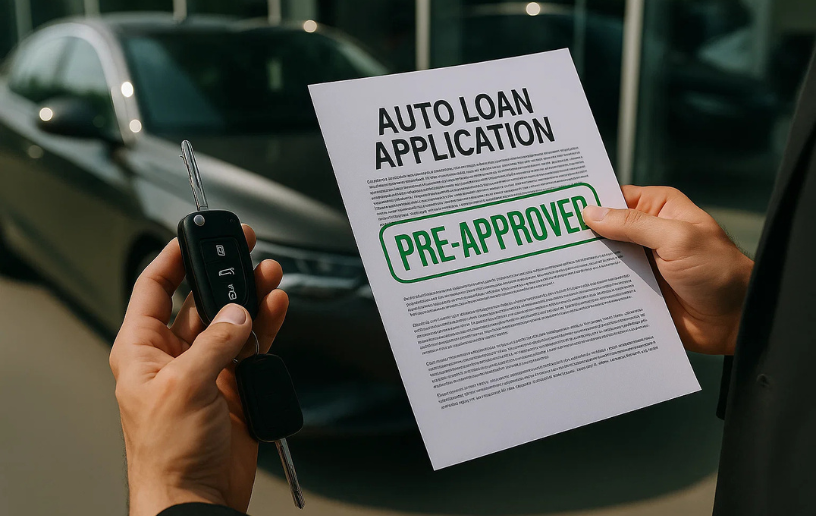
20 September 2026You've probably seen the phrase somewhere in an ad for a car dealership or a subprime lender: no income verification required. If your income is hard to document, whether you're self-employed, between jobs, paid mostly in cash, or living on a mix of gig income and side work, that phrase can sound like the answer to a real problem. Before you count on it, it's worth understanding what lenders actually mean when they say it, because the literal version of the claim is rarer than the advertising suggests.
What "No Income Verification" Actually Means
In almost every real case, "no income verification" doesn't mean a lender hands out a loan without any sense of whether you can repay it. It means the lender isn't asking for the traditional paperwork, a pay stub, an employment letter, or a T4, and is instead accepting other evidence, or leaning more heavily on your down payment, your credit history, or the vehicle itself as collateral. A lender that genuinely approved loans with zero regard for repayment ability wouldn't stay in business long, so somewhere in the process, income or the ability to pay is still being assessed. It's just not always assessed the way a bank would do it.
Why Lenders Verify Income At All
Verifying income isn't a formality lenders enjoy putting borrowers through. It's how they estimate the odds you'll make your payments for the next three to seven years without defaulting. A car loan is secured by the vehicle, which helps if things go wrong, but repossessing and reselling a car is expensive and time-consuming for a lender, so most would still rather confirm you can pay than rely on that fallback. That's true whether you're applying with a major bank or a subprime lender who specializes in harder-to-approve files.
Where the Claim Actually Comes From
The phrase usually shows up in one of three situations. The first is a lender that accepts non-traditional proof of income instead of a pay stub, things like bank statements showing consistent deposits, notices of assessment, or invoices if you're self-employed. That's a real and useful option, but it's still income verification, just a different form of it. The second is a lender that puts more weight on your down payment or the equity in a trade-in, using that as a substitute for some of the confidence a pay stub would normally provide. The third, and the one worth being wary of, is a marketing phrase used to get you in the door before the real conversation about your finances happens, at which point the loan you're actually offered may look very different from what the ad implied.
Who This Claim Actually Targets
These ads are aimed squarely at people who assume a traditional loan is out of reach: self-employed workers without a T4, gig and rideshare drivers with income spread across multiple apps, newcomers to Canada without a long local employment history, and people paid partly or fully in cash. If that describes your situation, the good news is that mainstream lenders, including subprime specialists, generally do have a path for you. It's rarely "no verification." It's usually "verification that looks different from a nine-to-five paycheque." Our guide on getting a car loan when you're self-employed covers what that alternative documentation actually looks like in practice.
Red Flags Worth Watching For
Not every lender using this phrase is being dishonest, but a few patterns are worth treating with caution. Be wary of a dealer or lender who won't give you any details about rate or terms until after you've handed over personal and banking information. Be wary of pressure to sign quickly, before you've had time to read the contract or compare it against anything else. And be especially wary of any lender implying that approval is a sure thing regardless of your situation, since no legitimate lender can honestly promise that before reviewing your actual application. Our breakdown of what "guaranteed approval" ads actually mean covers a closely related version of this same pattern, and the warning signs overlap heavily with what to watch for here.
What Actually Helps If Your Income Is Hard to Prove
If a pay stub isn't available to you, a few things genuinely move the needle with a real lender. Several months of bank statements showing steady deposits do a lot of the work a pay stub would otherwise do, even if the deposits come from different sources. A larger down payment reduces how much the lender is financing relative to the vehicle's value, which lowers their risk regardless of how your income is documented. A cosigner with verifiable income can also help, though it isn't a requirement in every case. Our guide to the documents most lenders actually ask for is a useful starting point even if your income doesn't come with a standard pay stub, since it covers the alternatives lenders commonly accept.
Subprime Doesn't Mean No Standards
If your credit history is part of what's making this feel complicated, it's worth understanding that subprime lending isn't the same thing as no-questions-asked lending. Subprime lenders serve people that traditional banks turn away, but they still assess risk, they just weigh it differently and price it into your rate. Our overview of subprime auto loans in Canada explains how that risk-based pricing works and what a fair version of it looks like, which is useful context before you respond to any ad promising to skip the usual checks entirely.
What to Ask Before You Apply
If you come across a "no income verification" offer, ask directly what the lender actually needs from you instead. Ask what happens if your bank statements show irregular deposits. Ask whether the rate you're quoted is contingent on additional conditions you haven't been told about yet. A lender who answers these questions clearly and early is behaving the way a legitimate one should. One that deflects or insists you'll "find out at signing" is telling you something important about how the rest of the process is likely to go.
The Bottom Line
"No income verification" is rarely as literal as it sounds. In most legitimate cases, it means a lender is willing to work with non-traditional proof of income rather than skipping the question of repayment ability altogether. If your income is genuinely hard to document, there are real options built around bank statements, a larger down payment, or a cosigner, and understanding which one actually applies to your situation puts you in a much stronger position than responding to the ad at face value.
Auto Lending Canada works with buyers across BC, Alberta, and Saskatchewan, including self-employed and gig income situations that don't fit a standard pay stub. Start your application here to see what you actually qualify for.