
Single-Parent Car Loans in Canada: How CCB and Support Count as Income
24 September 2026Single parents finance cars across Canada every day. The friction is rarely "you have kids." It is proving enough stable income on one adult's file while keeping the payment inside a household budget that already covers childcare, rent, and groceries. Canada Child Benefit (CCB), child support, and employment income can combine on many lender worksheets when the paperwork is clean.
How CCB can factor into approval
CCB is a predictable federal benefit for eligible families. Some auto lenders count it fully, some partially, and some ignore it. The ones that count it usually want the CRA benefit notice plus bank statements showing regular deposits. Do not assume every bank branch will treat CCB the same way a specialized auto lender will.
After separation, your CCB amount can change with net income. Bring the current notice, not last year's. Matching deposits matter more than a screenshot of an estimate calculator.
Child support as qualifying income
Court-ordered or agreement-based support that lands consistently can strengthen the file. Irregular cash handoffs without a paper trail usually do not. Underwriters look for the order or agreement and three months of cleared deposits.
If support is new and only one deposit has posted, expect caution. History beats promises. Spousal support follows similar documentation logic when it applies.
Employment income still carries the file
Wages, salaried pay, or steady part-time work remain the core for most approvals. Benefit stacks help; they rarely replace a complete income story alone at larger loan sizes. Package stubs, NOA, and benefit letters together so the underwriter sees one coherent household number.
Part-time single parents should also review how lenders treat non-full-time schedules in how employment type impacts approval, and the documentation habits in employment verification for car loans.
Budgeting the vehicle around real life
Car seats, sports gear, and grocery runs push many parents toward crossovers and minivans. Buy the space you need, not every trim option. Insurance for a daily driver who also hauls kids should be quoted before you sign. Use a full-budget approach before you commit to a payment.
Debt-to-income gets tight on one adult income. Pay down revolving balances when you can and avoid stacking new consumer debt beside the auto loan. See debt-to-income ratio basics.
Credit after separation
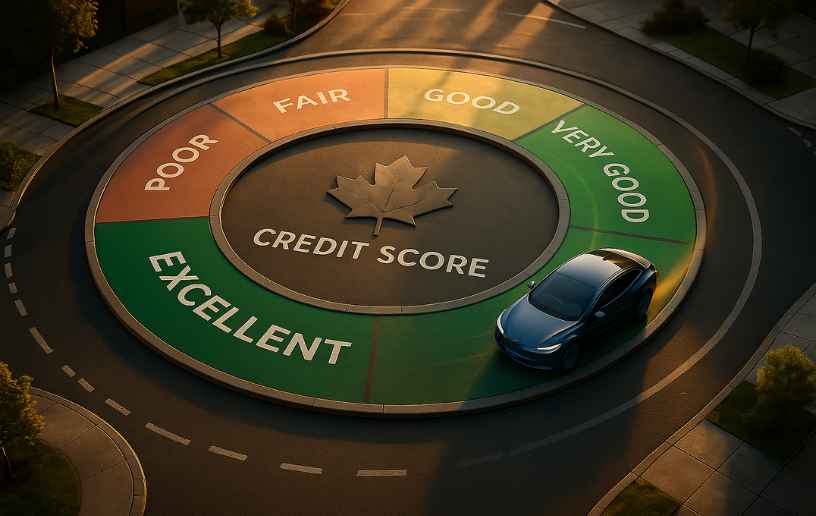
If you recently separated, joint accounts may still affect your bureaus. Pull Equifax and TransUnion reports, confirm support deposits, and stabilize on-time payments before a hard pull when timing allows. Rate still follows score tiers; check rates by credit score.
Documents checklist
- Government ID and proof of address
- Pay stubs and latest NOA
- CCB notice and matching bank statements
- Support order/agreement plus deposit history
- Down payment source if applicable
Practical tips
Apply with a broker network that already places single-income family files. Soft-qualify first. Choose a reliable used vehicle with known maintenance costs over a stretched new payment. Keep a small emergency buffer for repairs; a single-income household feels a broken starter more acutely.
Delivery day logistics
Arrange childcare for signing and pickup when you can. Bring a second adult only if they are on the application or you need a ride; surprise passengers do not help the finance office. Inspect the vehicle carefully; single-income households feel lemon risk harder.
After you are approved
Automate the payment on payday. Keep CCB and support deposits in an account you monitor weekly. Build a small repair reserve even if it starts at $25 per pay. Reliability is part of the financing decision you already made.
If credit rebuilding is part of your year, on-time auto payments can help when reported correctly.
Cosigner decisions
A parent or relative cosigner can unlock approval, and it ties their credit to your payment. Only use that path with a written plan for refinance into your name alone later.
Choosing reliability over image
Kids turn vehicles into cargo systems. Prioritize safety ratings you trust, easy-clean interiors, and a service history you can verify. A spotless payment you can make every month matters more than a badge on the grille. Private-sale buys need lien checks; financed dealership inventory can simplify that step when the lender pays out cleanly.
Bottom line
Single-parent auto financing in Canada works when employment income, CCB, and support are documented and the payment fits life with kids. Lead with paperwork and a realistic vehicle, not with hope that a lender will "just understand."
Auto Lending Canada serves British Columbia, Alberta, and Saskatchewan. Start your application here.