
Can You Get a Car Loan With Bad Credit and No Cosigner in Canada?
18 September 2026You need a car loan, your credit isn't strong, and there's no one available to co-sign for you. Maybe you don't want to ask a family member to take on that risk, or maybe there simply isn't anyone in a position to do it. It's a common situation, and it doesn't mean financing is off the table. It does mean the loan you qualify for will look a little different from one built around a top-tier credit score, and understanding that difference upfront helps you shop for it realistically instead of guessing.
Do You Actually Need a Cosigner With Bad Credit?
Not necessarily. A cosigner exists to reduce a lender's risk by adding a second person who's legally responsible for the loan if you stop paying. Lenders who specialize in bad credit and subprime auto financing are set up specifically to approve applicants without one, because their entire business is built around assessing risk beyond just a credit score. They're going to price that risk into your rate, but "no cosigner" and "no approval" are two very different things.
Where a cosigner genuinely helps is in the rate you land on, not just whether you get approved at all. Someone with strong credit attached to your application can meaningfully lower your interest rate and sometimes open up loan terms you wouldn't qualify for solo. If that's not an option for you, it just means the trade-off shows up in your rate instead.
What Lenders Actually Look At Beyond Your Score
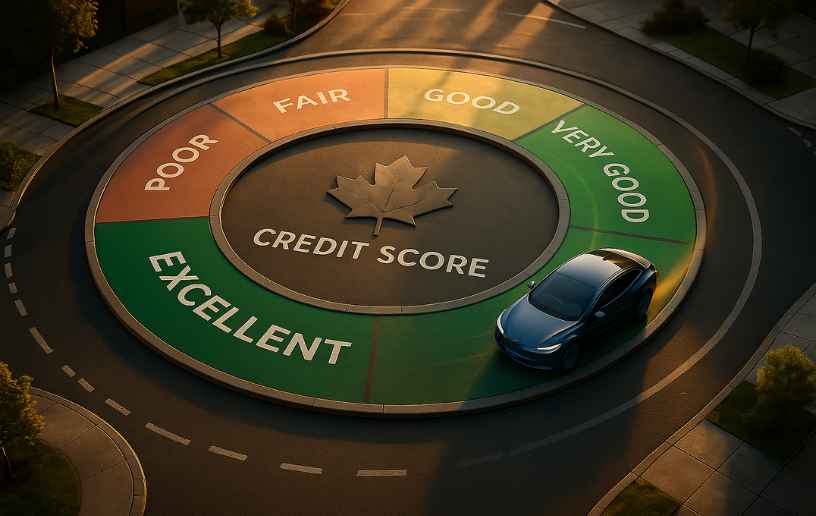
A credit score is one input, not the whole picture. Lenders working in the bad credit space typically weigh your current income and how stable it is, how long you've been at your job, your debt-to-income ratio, and whether you have a history of at least trying to manage credit responsibly even if you've had setbacks. A steady job with two years of tenure and a manageable debt load can outweigh a mediocre credit score in a lender's decision, because it signals you can actually make the payment going forward, which is what they're really trying to predict.
A reasonable down payment helps too. Putting money down reduces how much the lender is financing relative to the vehicle's value, which lowers their exposure and can offset some of the risk your credit score represents. Even a modest amount, a few hundred to a couple thousand dollars, can move the needle on both approval odds and your rate.
What Your Rate Will Realistically Look Like
Be upfront with yourself about this part. Without a cosigner and with credit on the weaker end, expect a rate meaningfully higher than what's advertised in dealership ads aimed at prime borrowers. That's not a red flag specific to your situation, it's how risk-based pricing works across the entire lending industry. What matters is finding a lender who's transparent about that rate upfront rather than one who buries it until you're signing paperwork. Our guide on bad credit car loans in Canada walks through what actually moves your approval odds and your rate in more detail, beyond just the cosigner question.
Alternatives to a Cosigner That Can Strengthen Your Application
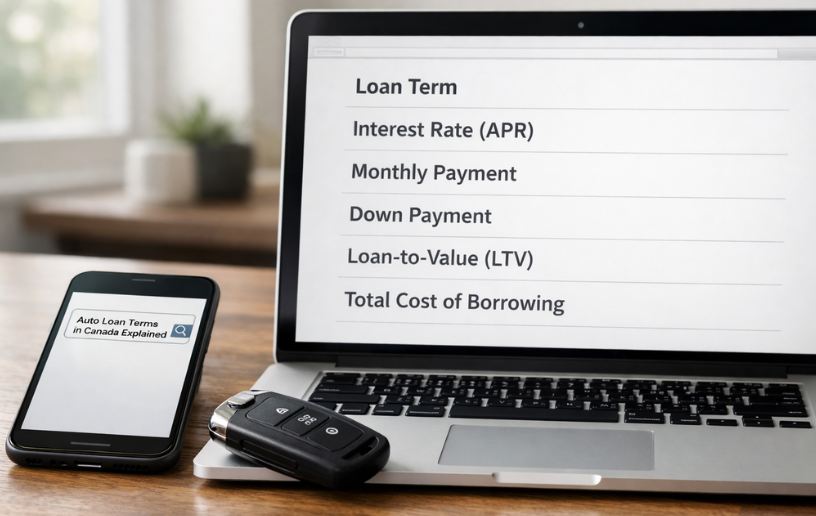
If a cosigner isn't available, there are still ways to make your application stronger on its own merits. Providing proof of stable income, whether that's pay stubs, an employment letter, or bank statements showing consistent deposits, gives a lender concrete evidence to work with beyond the credit file alone. A larger down payment does similar work by reducing the loan-to-value ratio. Some lenders also offer the option of a co-borrower rather than a cosigner, where a second person shares ownership of the vehicle and equal responsibility for the loan, which is a different legal arrangement than cosigning and worth asking about directly if you have someone willing to be more directly involved.
If you do have someone who could act as a cosigner and you're weighing whether to involve them, it's worth understanding the full commitment they'd be taking on before you ask. Our comparison of a joint car loan versus a cosigner lays out how the two arrangements differ and what each one means for both people involved.
Where No Credit and Low Credit Diverge
It's worth being clear-eyed about which situation you're actually in, since the strategy differs. Having a thin or nonexistent credit file, common if you're young or newer to Canada, is a different problem from having a low score built from missed payments or past defaults. A thin file often qualifies for reasonable terms once a lender has income verification to work from, since there's no negative history to price around. A low score from past missed payments typically means a higher rate regardless of income, because there's a documented track record the lender is pricing against. Our breakdown of no credit versus low credit car loans covers this distinction in more depth if you're not sure which category you fall into.
Red Flags to Watch For
Because "no cosigner needed" is a phrase that attracts predatory advertising, it's worth knowing what to avoid. Be cautious of any lender who won't give you a real rate until you're deep into paperwork, who pressures you to sign the same day without time to review the contract, or who advertises approval as a certainty regardless of your situation. No legitimate lender can guarantee approval before reviewing your actual application, and no honest one will avoid answering a direct question about your rate. A lender confident in their pricing will tell you what to expect early in the conversation.
What to Have Ready Before You Apply
Going in prepared makes the process faster and puts your application in the best possible light. Have recent pay stubs or an employment letter confirming your income and how long you've held your current job. Bring a couple of months of bank statements if you're self-employed or your income varies, since consistent deposits do a lot of the work a pay stub would otherwise do. Know your rough monthly budget for a car payment before you start shopping, so you're not relying on a lender's maximum approval amount to tell you what you can actually afford. And if you're planning a down payment, have that ready to discuss upfront rather than mentioning it after you've already gotten a rate quote based on financing the full amount.
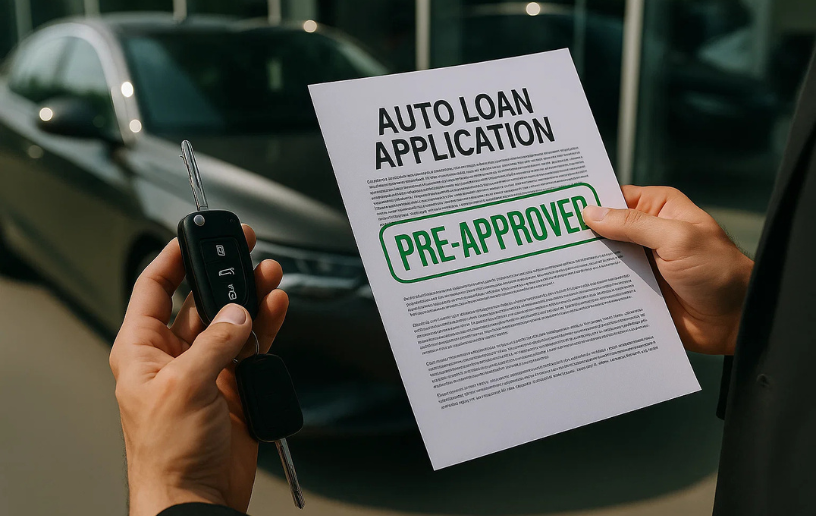
Getting pre-approved before you're standing at a dealership also changes the dynamic in your favor. A pre-approval gives you a real number to negotiate against, rather than negotiating blind and hoping the dealer's in-house financing works out in your favor.
Building Toward a Better Rate Next Time
A bad credit, no-cosigner loan today doesn't have to be your rate forever. Making on-time payments consistently is one of the more direct ways to rebuild your credit profile, and many lenders will work with you on refinancing once you've built a track record, sometimes in as little as 12 to 18 months. Treating this loan as the starting point rather than the permanent situation changes how you shop for it now.
The Bottom Line
Bad credit without a cosigner narrows your options, but it doesn't close the door on financing. It shifts what you're realistically approved for and what rate you'll pay, and knowing that ahead of time lets you shop for the best version of that deal instead of taking the first offer out of relief that you qualified at all.
Auto Lending Canada works with buyers across the credit spectrum in BC, Alberta, and Saskatchewan, cosigner or not. Start your application here to see what you actually qualify for.