EV Car Loans in Canada: How Electric Vehicle Financing Works in 2026
31 August 2026Electric vehicles are showing up on more driveways across BC, Alberta, and Saskatchewan every year, and the financing side of buying one raises questions that gas-vehicle shoppers rarely think about. Does an EV loan work differently than a regular car loan? Do incentives lower your monthly payment or just show up later as a rebate cheque? What happens if you're financing a used EV and the battery is a few years old? This guide walks through how EV auto loans actually work in Canada right now, so you can walk into a purchase knowing what lenders look at and how to structure the deal.
Is an EV Loan Different From a Regular Car Loan?
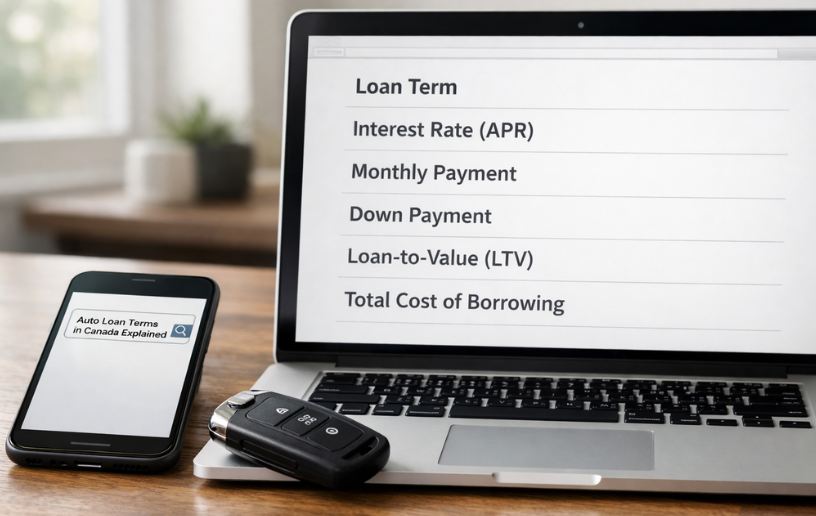
Mechanically, no. An EV loan is still an installment loan secured against the vehicle, with the same building blocks as any auto loan: principal, interest rate, term length, and a monthly payment. Lenders pull your credit, look at your income and existing debt load, and set terms based on the same risk factors they'd apply to a gas vehicle purchase.
Where things diverge a little is in how some lenders think about the vehicle itself. Because EVs are a newer category with less long-term resale data than, say, a Honda Civic, some lenders factor in projected depreciation and battery longevity when they set loan-to-value limits or decide how much they're comfortable lending against the car. This mostly shows up in two places: the maximum amortization a lender will offer, and how they treat older or higher-mileage EVs on the used side. A brand-new EV from a mainstream manufacturer typically gets treated much like any other new vehicle purchase.
Rates and Terms for EV Financing
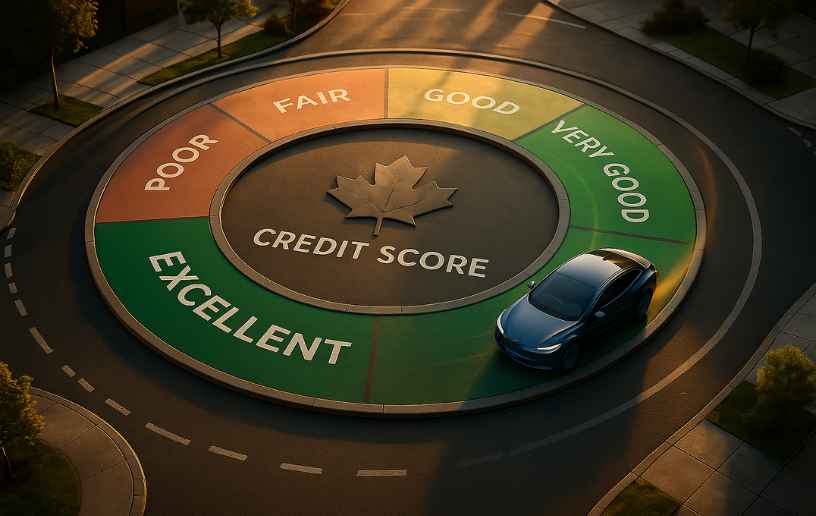
EV loan rates in Canada follow the same logic as conventional auto loans: your credit score, income stability, the loan-to-value ratio, and the term length all move the number up or down. Buyers with strong credit and a reasonable down payment tend to land in similar rate ranges whether they're financing an EV or a comparable gas vehicle. Term length is where EVs tend to differ. Because EVs often carry a higher upfront price than their gas equivalents, buyers stretch amortization longer to keep the payment manageable. That's fine in principle, but a longer term means more interest over the life of the loan, even when the monthly number looks friendlier on paper.
Ask any lender directly whether they price EVs any differently than other vehicles. This varies by institution and shifts over time, so don't assume last year's answer still holds. At Auto Lending Canada, we work with a network of lenders across BC, Alberta, and Saskatchewan and can walk you through how a specific EV purchase would be structured based on your credit profile and the vehicle itself.
How Incentives Interact With Your Loan
This is where a lot of first-time EV buyers get tripped up. Government incentive programs for electric vehicles generally fall into one of two structures, and which one applies changes how you should approach financing.
Some incentives are applied as a point-of-sale rebate through the dealer. The discount comes off the vehicle price before you finance anything, so you're borrowing less to begin with. Others are structured as a rebate you apply for and receive after the purchase, which means you finance the full purchase price up front and get reimbursed separately later. That second structure matters for your loan math. You'll be paying interest on the full amount until the rebate shows up, and it doesn't reduce your loan balance automatically unless you put it toward a lump-sum payment yourself.
Provincial programs, utility rebates for home charging equipment, and federal incentive programs also change eligibility and amounts from year to year, and what qualifies can depend on the vehicle's price, battery size, or whether it's new or used. Confirm the current program specifics with the relevant government program or your dealer at the time of purchase, not last year's numbers you saw in a forum post. What stays constant no matter how the programs shift: know before you sign whether an incentive reduces the amount you're financing or arrives as a separate reimbursement, because that changes both your monthly payment and your total interest cost.
Financing a Used EV: Battery Health Matters
Used EV financing carries a few extra considerations that don't apply to a used gas vehicle. The battery is the single most expensive component in an EV, and its condition affects both the car's real-world value and how comfortable a lender is financing it.
Battery degradation happens gradually with age and charging habits, and it isn't always visible from the outside the way body wear or mileage is. Before financing a used EV, ask for a battery health report or state-of-health reading. Many manufacturers and independent EV inspection services can provide one. A battery that's held up well supports a stronger valuation and generally makes financing more straightforward. One showing significant degradation may affect the loan-to-value a lender is willing to offer, or it may just need to get priced into your negotiation on the vehicle itself. For a closer look at what battery replacement actually costs and how that factors into a used EV's long-term value, see our guide to electric vehicle battery replacement costs in Canada.
Depreciation is the other piece to understand before financing a used EV. EV technology and battery ranges have improved quickly over the past several model years, so older EVs can depreciate faster than the used gas-vehicle market you might be used to. That's not a reason to avoid a used EV, it can also mean a better price on a used model, but factor it into how much you finance and for how long. You don't want a loan balance that outlasts the vehicle's usable value by a wide margin.
What Lenders Look At Beyond the Vehicle
Aside from the vehicle-specific considerations above, an EV loan application goes through the same core underwriting questions as any auto loan: credit history, income and employment stability, existing debt obligations, and the size of your down payment. A larger down payment reduces the amount financed and can improve the terms you're offered, and that holds true whether you're buying a new Tesla, a used Chevrolet Bolt, or a gas-powered sedan.
Still narrowing down a vehicle? Our breakdowns of the cheapest EVs available in Canada and the best electric cars on the market in 2026 can help you pick a model before you start shopping for a loan.
Getting Pre-Approved for an EV Purchase
Getting pre-approved before you shop gives you a clear budget and a stronger negotiating position, whether you're buying from a dealer or a private seller. It also buys you time to sort out the incentive question above, instead of trying to work it out standing in a dealership.
Weighing a used EV against a used gas vehicle? Our used car loan guide covers the broader mechanics of used-vehicle financing in Canada, including how vehicle age and condition factor into loan terms generally.
Auto Lending Canada works with buyers across BC, Alberta, and Saskatchewan, including those with less-than-perfect credit, to find financing structured around the vehicle and budget that make sense for them. If you're ready to see what EV financing could look like for your situation, you can start a pre-approval application here and get a clearer picture of your options before you commit to a vehicle.