Financing a New Car After a Total Loss in Canada
29 September 2026Your car gets written off and, for about a week, your life runs on rental cars, insurance phone calls, and a payout number that never quite matches what you thought your car was worth. Then the real question shows up: how do you finance a replacement vehicle when you're still sorting out the insurance side, and possibly still owe money on the one that's gone.
Here's how financing a new vehicle after a total loss actually works in Canada, where the gaps tend to open up, and what to do before you sign anything on a replacement car.
What "total loss" actually means for your loan
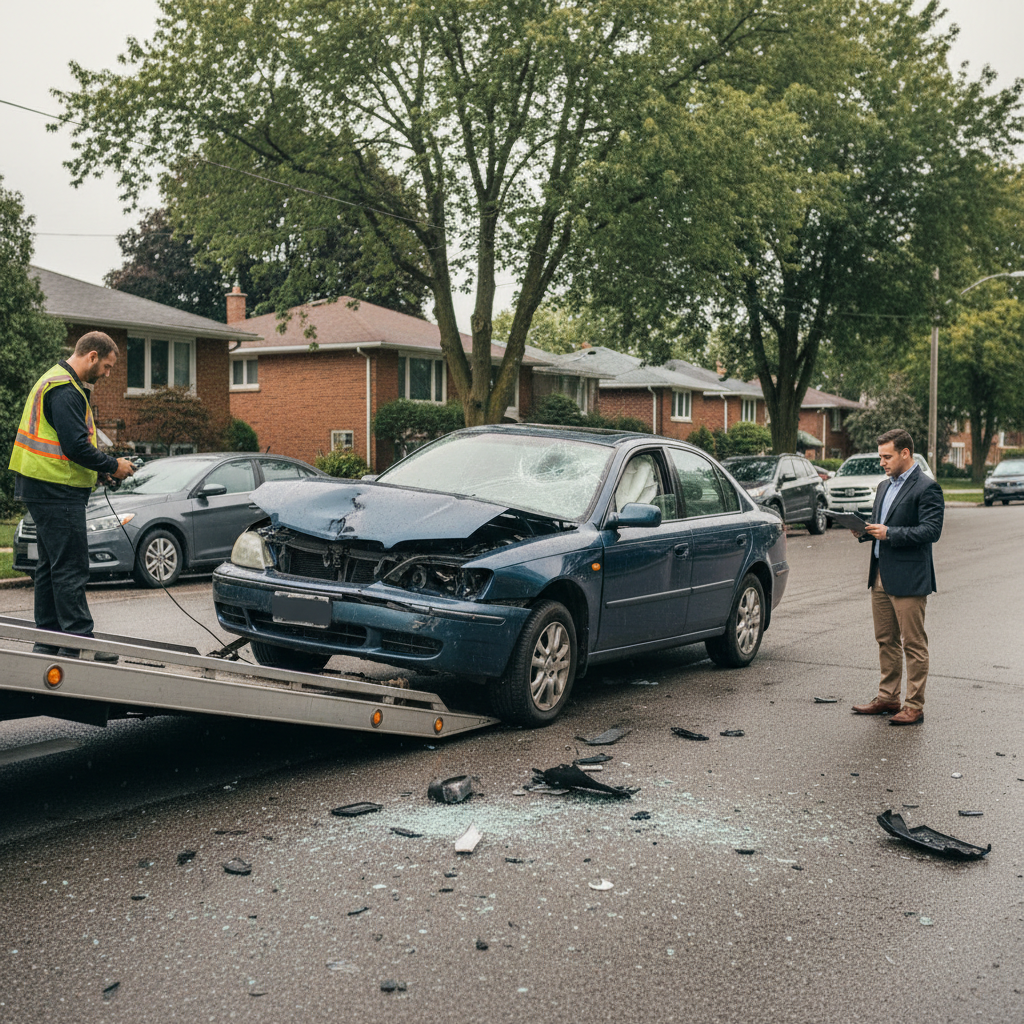
An insurer declares a vehicle a total loss when the cost to repair it exceeds a set percentage of its market value, usually somewhere around 70-80% depending on the insurer and province. At that point they pay out the vehicle's actual cash value immediately before the accident, not what you paid for it and not what you still owe on the loan. Those two numbers only match if your loan balance has kept pace with depreciation, and for most car loans in the first two or three years, it hasn't.
If your loan balance is higher than the payout, that gap doesn't disappear. It's still your debt, whether or not you have another vehicle to show for it. Whether you had gap insurance changes everything about how the next few weeks go.
The gap insurance question, after the fact
If you already had gap coverage on the totaled vehicle, this part is usually straightforward. Gap insurance pays the difference between what your regular insurer cut you a cheque for and what you actually owed the lender, so your old loan gets closed out cleanly and you walk into your next purchase without carrying old debt forward.
If you didn't have it, the shortfall is yours to cover, either in cash or rolled into your next loan. Rolling it forward is common and not automatically a bad move, but it means your new loan starts out already underwater before the new vehicle has depreciated a single dollar. Our guide to negative equity car loans in Canada walks through what that actually costs over a typical term, and when it's worth paying down the gap instead of financing it.
Timing: insurance first, financing second
Lenders want a firm payout number before they'll finalize a new loan that includes a rolled-forward shortfall, since that number is part of what they're financing. In practice this means your insurer's total loss settlement usually needs to be locked in, or at least clearly estimated in writing, before a lender will commit to exact terms on the replacement vehicle. Rental car coverage, if you have it, typically only runs for a set number of days, so there's real pressure to move quickly even while the insurance side is still being finalized.
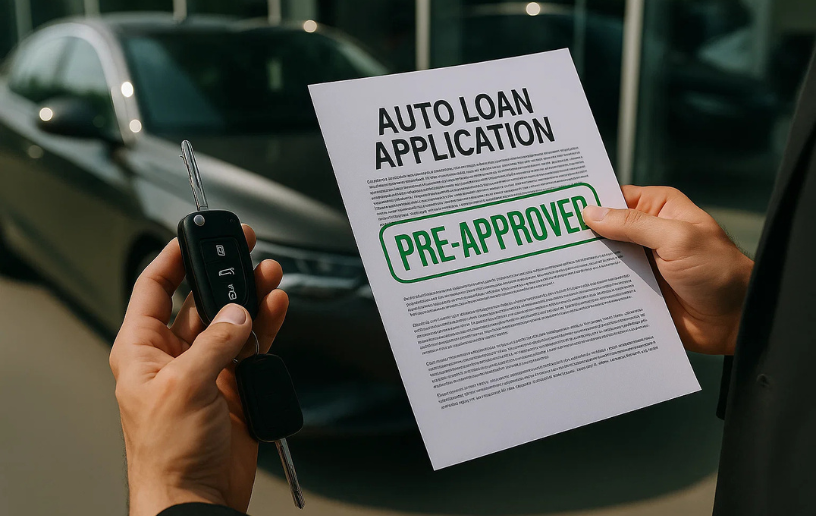
This is one of the few situations where getting pre-approved before you've fully settled the insurance claim actually helps, because it tells you roughly what you can afford once the numbers land, instead of guessing under time pressure at a dealership.
What lenders look at on a replacement loan
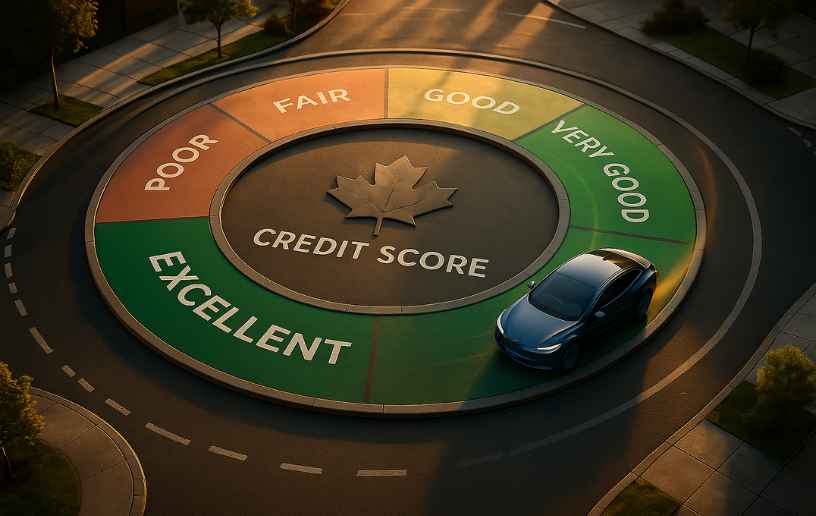
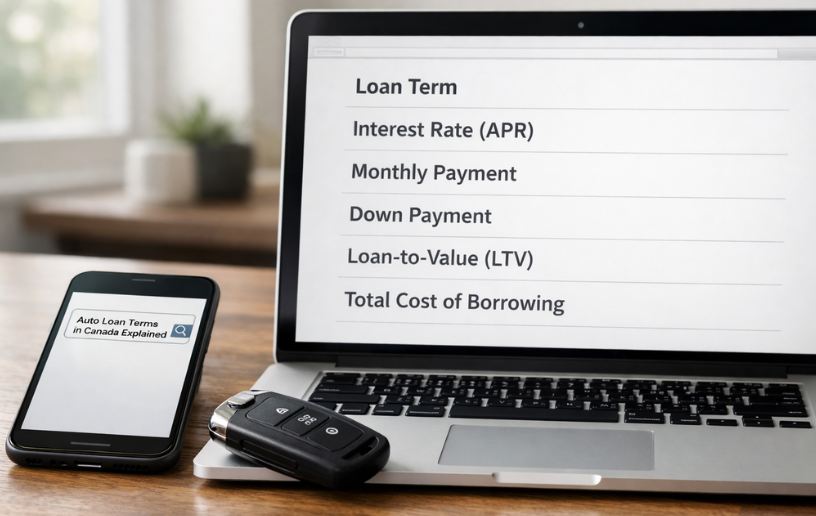
A post-total-loss application isn't treated fundamentally differently from any other auto loan. Lenders still check credit, income, and the new vehicle's age, mileage, and value. The one added wrinkle is the rolled-forward balance if you're carrying a shortfall from the old loan. A larger rolled-in amount raises your loan-to-value ratio on the new vehicle, which can affect both your rate and how much lenders are comfortable financing.
A down payment does more work here than usual. Even a modest one narrows the gap between what you're financing and what the new vehicle is actually worth, which matters twice as much when you're already carrying baggage from the last loan. Our breakdown of car loan down payments in Canada covers how even 10-15% changes your rate tier, not just your payment.
Choosing the replacement vehicle
It's tempting to move fast and grab whatever's available, especially if you're paying for a rental out of pocket in the meantime. Slow down enough to check that the replacement fits the lender's usual age and mileage limits, since a vehicle sitting right at the edge of a cutoff can mean a shorter term or a firmer rate even with clean credit. Our guide to used car financing in Canada covers what those age and mileage thresholds typically look like across lenders.
Buying gap insurance again this time
If you didn't have gap coverage before and ended up covering a shortfall out of pocket, or rolling it into the new loan, get gap insurance on the replacement vehicle. It's a small annual cost against a real risk, and it's the one thing that keeps this exact situation from repeating itself if something happens again during the new loan's early years, when depreciation outpaces the balance the fastest.
What to do while the claim is still open
Get your payout number in writing from the insurer as early as possible, even if it's still being negotiated. Call your existing lender directly and confirm your exact payoff balance, since it's almost always a bit higher than your last statement once accrued interest is added in. Compare those two numbers honestly before you commit to a specific replacement vehicle, so you know whether you're walking into the new loan even or already behind.
A total loss is disruptive enough without also getting stuck financing a car you can't actually afford because the math wasn't run first. Auto Lending Canada works with drivers across British Columbia, Alberta, and Saskatchewan navigating exactly this kind of replacement financing, including situations with a shortfall to carry forward. Start your application here to see what a realistic replacement loan looks like for your situation.