
Personal Loan vs. Car Loan in Canada: Which Should You Use to Buy a Vehicle?
22 August 2026You've picked out a vehicle, checked your budget, and now you're staring at two different ways to pay for it: a dedicated car loan or a general personal loan. Both get you the cash. They don't work the same way underneath, and the differences show up in your rate, your approval odds, and what happens if things go sideways later.
The short version: a car loan is secured against the vehicle you're buying, while a personal loan usually isn't secured against anything at all. That one distinction drives almost everything else in this comparison.
Secured vs. unsecured: what's actually backing the loan
A car loan is a secured loan. The vehicle itself is the collateral, and the lender registers a lien against it. Stop paying, and they can repossess the car and sell it to recover what's owed. That security is a big part of why lenders are willing to extend car loans to a wider range of credit profiles than they'd normally consider for unsecured credit.
A personal loan, in most cases, is unsecured. The lender is relying on your credit history and your word as the guarantee, with no asset behind it. That means the lender is carrying more risk on paper. Some personal loans can be secured against other property, but the common version people use to buy a used truck or a sedan is the unsecured kind, and it's priced accordingly.
This is also where fixed vs. variable rate structures tend to differ. Auto loans in Canada are overwhelmingly offered as fixed-rate products, so your payment doesn't move for the life of the loan. Personal loans can be either, and a variable-rate personal loan means your payment can climb if prime moves against you mid-term.
Rates: why car loans usually come in lower
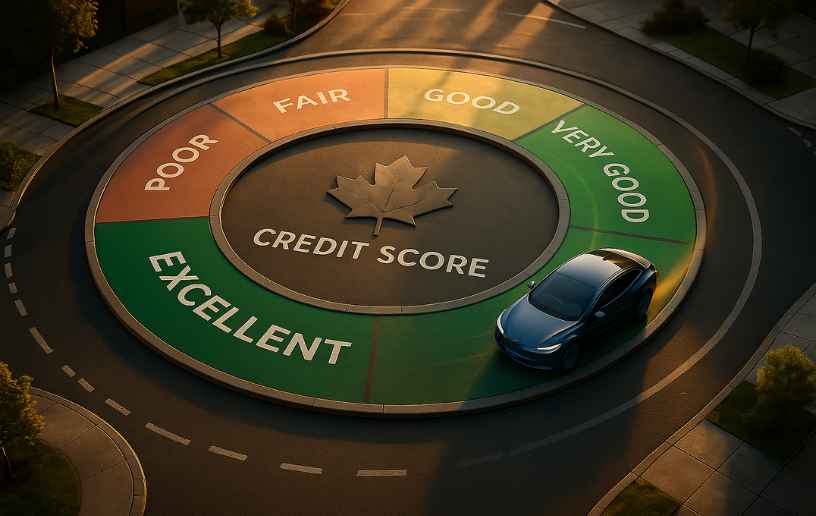
Collateral changes the math for the lender, and it shows up directly in the rate you're offered. Because the vehicle secures the loan, auto lenders can generally afford to price more competitively than an unsecured personal loan would allow for the same borrower. That gap isn't universal. A borrower with excellent credit might land a comparable rate either way. But for most buyers, especially anyone outside the top credit tiers, the car loan tends to come in lower.
Rates on both products also move with your credit score, income, loan term, and the lender's own risk appetite, so there's no single number that applies to everyone. For a fuller breakdown of what actually drives auto loan pricing in Canada right now, we covered that in our guide to car loan interest rates.
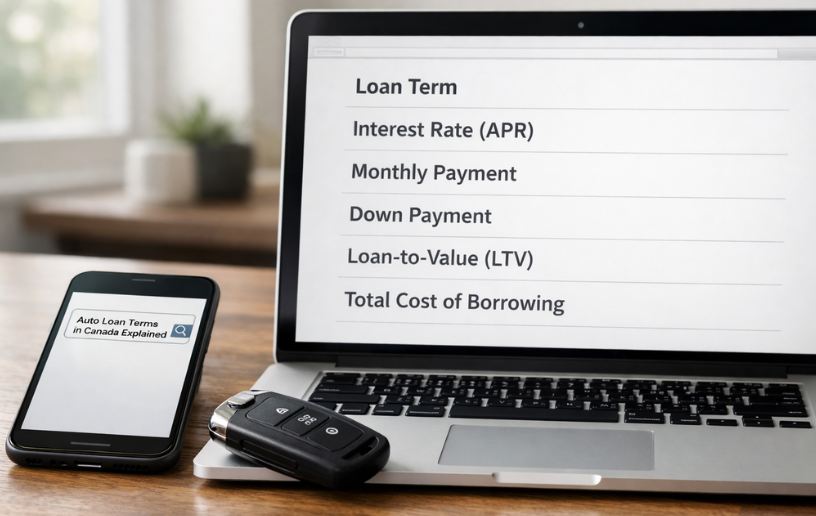
One thing worth flagging: a longer car loan term can lower your monthly payment while raising the total interest you pay over the life of the loan. That trade-off applies to personal loans too, but it matters more with a car loan since terms can stretch to 84 or even 96 months at some lenders. Look at the total cost of borrowing, not just the payment, before you sign anything.
Qualifying for one vs. the other
This is where the practical differences get real for a lot of buyers. Because a car loan is secured, lenders can be more flexible on approval criteria than they'd be for an unsecured personal loan of similar size. If your credit file has a few dings, a missed payment from two years ago, a shorter credit history, or a bankruptcy that's since been discharged, a car loan is often more attainable than an unsecured personal loan for the same amount.
Personal loan underwriting tends to lean harder on your credit score and debt-to-income ratio, precisely because there's no asset to fall back on. A thin or bruised credit file can mean a flat decline, or an approval at a rate that makes the loan hard to justify.
None of this means car loan approval is automatic, and it isn't the case that everyone qualifies for the same terms. Every lender sets its own criteria, and factors like income stability, existing debt, and the vehicle's age and value still matter. But the presence of collateral genuinely widens the pool of people who can get approved. It's a big part of why so many buyers with less-than-perfect credit end up financing this way instead of through a personal loan.
Loan-to-value and what the collateral means for you
With a car loan, the lender caps how much they'll advance relative to the vehicle's value, known as loan-to-value or LTV. A newer vehicle with solid resale value supports a higher LTV. An older or higher-mileage vehicle might mean a larger down payment is needed to bring the loan in line with what the lender considers safe collateral.
There's a real upside here for you as the borrower. Because the loan is tied to a specific, valued asset, the lender's decision leans more on the numbers and less on a pure judgment call about your file. It also means negative equity is worth understanding: if you owe more than the car is worth, which is common early in a loan term or after rolling in fees and old debt, you're in a rougher spot if you need to sell or trade in before the loan is paid down.
A personal loan doesn't carry this LTV consideration, since it isn't tied to the vehicle. That can feel simpler on paper. It also means the lender is pricing purely on your creditworthiness, which loops back to why rates and approval can be tougher to lock in.
What happens if you can't pay
This is the part people don't love thinking about, but it matters for an honest comparison. Default on a car loan and the lender can repossess the vehicle, sell it, and pursue you for any shortfall between the sale price and what you still owed. Serious, yes, but it's a defined process tied to a specific asset.
Default on an unsecured personal loan and there's no vehicle to repossess, so the lender's main recourse is collections activity and potentially legal action to garnish wages or place a lien on other assets. Either way, missed payments get reported to the credit bureaus and can do lasting damage. We go into how directly a car loan interacts with your credit file in this piece on car loans and your credit score. Neither path is painless. The point isn't that one option is risk-free, it's that the risks are structured differently and worth understanding before you commit to either one.
So which one actually fits your situation?
If you're buying a specific vehicle and that's the whole purpose of the loan, a dedicated auto loan is usually the more practical tool. It's built for exactly this transaction: the rate is typically more competitive, the approval process is more accessible if your credit isn't spotless, and the fixed structure gives you a predictable payment for the life of the loan. Dealers and lenders can often arrange it directly at the point of sale too, which cuts out a step.
A personal loan can still make sense in specific situations. Maybe you're buying from a private seller and the deal doesn't fit neatly into standard auto financing. Maybe you already have a personal line of credit at a genuinely strong rate. Maybe you'd rather keep the vehicle free of a lien for resale reasons down the road. Some buyers with very strong credit and a solid relationship with their bank find a personal loan priced competitively enough that the difference barely matters.
For most people financing a car purchase, though, both the math and the qualifying odds tend to favor the loan built specifically for that purpose.
Compare your actual numbers
Rate quotes and approval odds depend on your credit profile, the vehicle, and the lender. The only way to know which option genuinely costs less for you is to compare real offers side by side rather than lean on general averages.
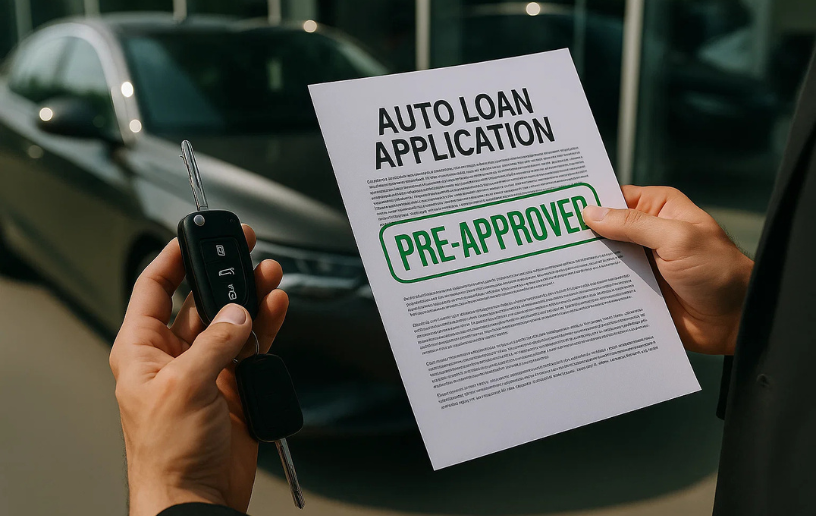
Get pre-approved for a car loan and compare your real numbers.