Car Loans on Seasonal Income in Canada: How Lenders Actually Assess You
24 September 2026Forestry, construction, tourism, agriculture, and oilfield support work often pay well in season and quiet down for months. Canadian auto lenders know this pattern exists. What they will not do is pretend a peak-month pay stub is your year-round income. Seasonal approvals hinge on annualized earnings, documentation across seasons, and a payment you can survive in the off-months.
How seasonal income gets underwritten
Underwriters typically look at two years of Notices of Assessment, T4s, and bank statements that show the rhythm of deposits. They average income across the full year rather than multiplying your best month by twelve. EI received between seasons can sometimes support the story when deposits are consistent and explained, but it rarely replaces a clear multi-season work history on its own.
Applying near the end of a strong season, with recent deposits still visible, often presents cleaner than applying deep in a lean stretch with thin statements. Timing is a strategy, not a loophole.
What to put in the application folder
- Two years of NOAs and T4s showing the same seasonal pattern
- Current-season pay stubs and an employer or union letter describing the usual season length
- Three to six months of bank statements covering peak and shoulder months if available
- Proof of EI or other off-season income you want counted
- Down payment source documents
Employment verification still happens. A dispatcher or payroll contact who can confirm your seasonal role helps. Background on that process sits in employment verification for car loans.
Payment design for the off-season
The loan payment does not shrink when the job site shuts down. Build a cash buffer sized to at least a few off-season payments before you buy. Some borrowers automate transfers into a "truck payment" savings pocket during peak months specifically for this reason.
Biweekly schedules can align with paydays in season, but they do not solve an empty winter. Choose payment frequency for cash-flow fit, not as a cure for seasonal gaps.
Vehicle choice for seasonal work
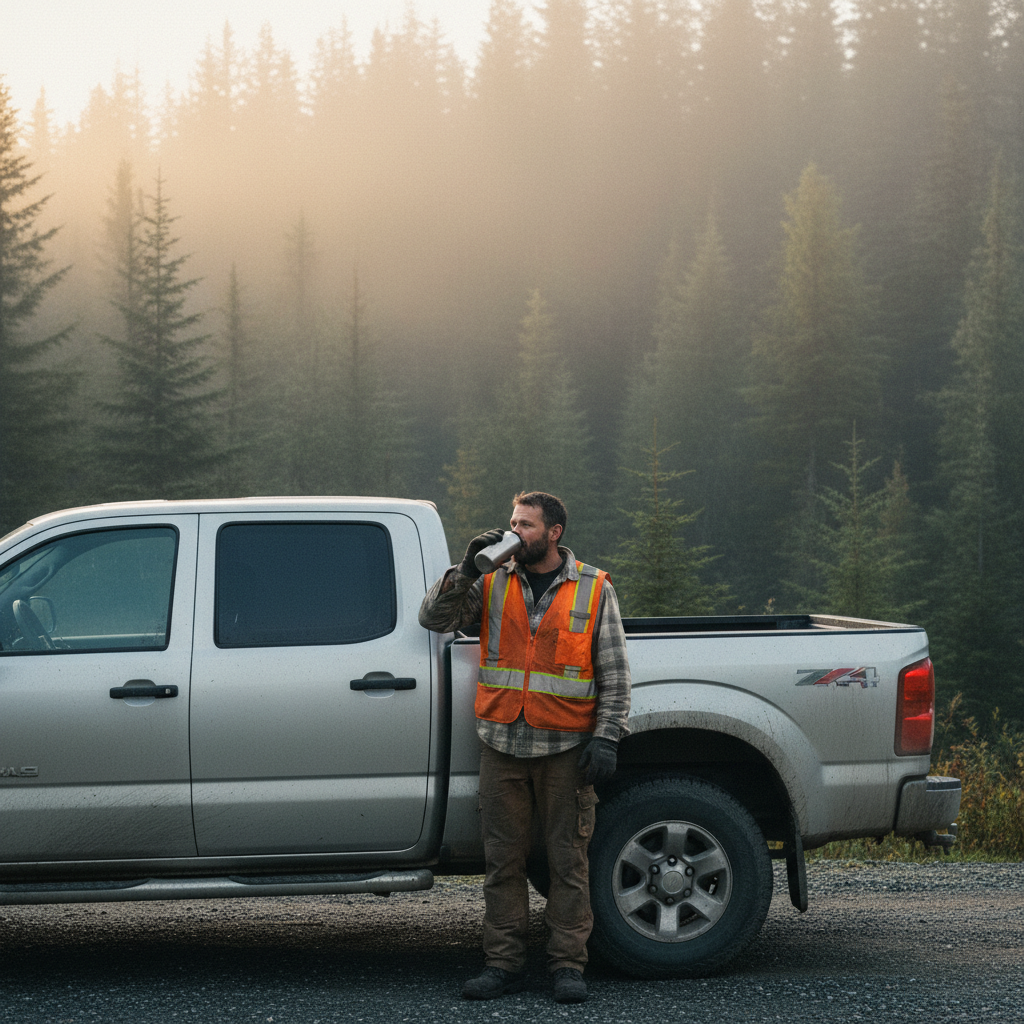
Work trucks and AWD SUVs are common needs, and they are also easy to over-buy. Finance the capability you use weekly, not the trim package that looks right in the dealer lights. Higher insurance and fuel costs hit harder when income pauses.
A larger down payment improves LTV and softens rate pressure when income looks lumpy. If self-employment or contracting mixes into your season, document NOAs and bank deposits carefully.
Credit and lender channel
Prime bank channels may hesitate without year-round W2-style stability. Credit unions and alternative auto lenders that already fund resource-region borrowers are often a better match. Rate still tracks credit; seasonal status alone does not set APR. Use rates by credit score to set a realistic band.
Hardship planning
If a season collapses unexpectedly, contact the lender early. Deferral or skip options beat silent missed payments. Know the difference between short relief and a full refinance before you ask.
EI between seasons
Off-season Employment Insurance can support living costs and sometimes appears in the income discussion, especially when paired with a documented return-to-work season. Treat EI as a bridge in the story, not the whole foundation. Lenders still want multi-year proof that seasons renew.
If you are currently on EI and the next season start date is firm, bring that start letter. Ambiguous "probably hiring again" language helps less than a named employer and approximate recall date. Related reading: car loans while on EI.
Common decline reasons on seasonal files
Thin off-season statements with no savings buffer, a vehicle payment sized to peak overtime, missing NOAs, and brand-new seasonal careers without a second year of history are frequent friction points. Fix what you can before the hard pull: save a buffer, pick a cheaper truck, and gather two seasons of paper.
Income-related declines are covered more broadly in why loans get declined for income and employment issues.
Down payment sources that help seasonal files
Tax refunds, overtime saved during peak months, and selling an older vehicle for cash all strengthen LTV. Avoid borrowing the down payment on a credit card; lenders sometimes ask for source of funds and revolving debt used as "down payment" hurts DTI twice.
If a family member gifts money, a simple gift letter plus deposit trail prevents last-minute funding delays. Keep the story boring and documented.
Bottom line
Seasonal workers get financed in Canada every week when the annual income story is documented and the payment survives the slow months. Show multiple seasons, right-size the truck, and apply through lenders who understand the calendar you actually work.
Auto Lending Canada serves British Columbia, Alberta, and Saskatchewan. Start your application here.