
Secured vs. Unsecured Car Loans in Canada: Which Is Right for Buying a Vehicle?
31 August 2026If you've started shopping for vehicle financing, you've probably run into a distinction that isn't explained very well anywhere: secured versus unsecured car loans. The terms sound like fine print, but they actually determine your interest rate, how fast you can get approved, and what happens if you fall behind on payments. Understanding the difference before you sit down at a dealership or apply online can save you from surprises later and help you pick financing that actually fits your situation.
What "Secured" Actually Means
A secured car loan is backed by collateral, and in this case the collateral is the car itself. The lender registers a lien against the vehicle, which gives them a legal claim on it until the loan is paid off. You still drive it, insure it, and treat it as your own, but the title effectively has a hold on it until the final payment clears. If you stop paying, the lender has the right to repossess the vehicle and sell it to recover what's owed.
An unsecured loan works differently. There's no collateral tied to the money at all. The lender is taking your word, backed by your credit history and income, that you'll pay it back. Personal loans and most lines of credit fall into this category. Because the lender has nothing to seize if you default, they're taking on more risk, and that risk gets priced into the loan.
Why Almost Every Auto Loan in Canada Is Secured
Walk into virtually any dealership or apply through a financing company in BC, Alberta, or Saskatchewan, and the loan you're offered will be secured against the vehicle. This isn't a quirk of the industry, it's basically the only model that makes auto lending work at reasonable rates. Cars are worth real money and hold value in a predictable way, at least compared to most other purchases people finance, which makes them good collateral. That predictability is what lets lenders offer rates that are dramatically lower than what you'd get on an unsecured product.
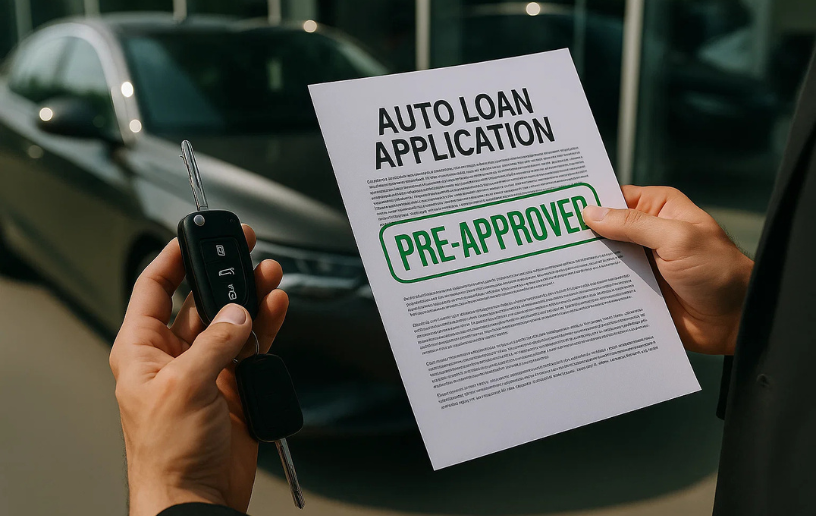
At Auto Lending Canada, like most auto lenders, the loans we arrange are secured against the vehicle being purchased. That's standard across the industry, and there's a reason for it: it's the mechanism that makes approval realistic even when someone's credit history isn't spotless. Because the lender's risk is offset by the vehicle itself, they can extend financing to buyers who might get turned down for an unsecured loan of the same size, or who would only qualify at punishing rates. If you've never gone through a car loan application and are curious how the pieces fit together, working with a car loan broker is one way to see multiple lenders' terms side by side instead of guessing at what one dealership offers.
What This Means for Your Rate
Collateral changes the math for lenders in a real way. When a loan is secured, the lender's downside is limited, so they don't need to charge as much to cover the risk of loss. That's a big part of why car loan interest rates tend to run well below unsecured personal loan rates, sometimes by ten percentage points or more depending on your credit profile. For someone financing a $25,000 to $40,000 vehicle, that gap adds up to thousands of dollars over the life of the loan.
What This Means for Approval Odds
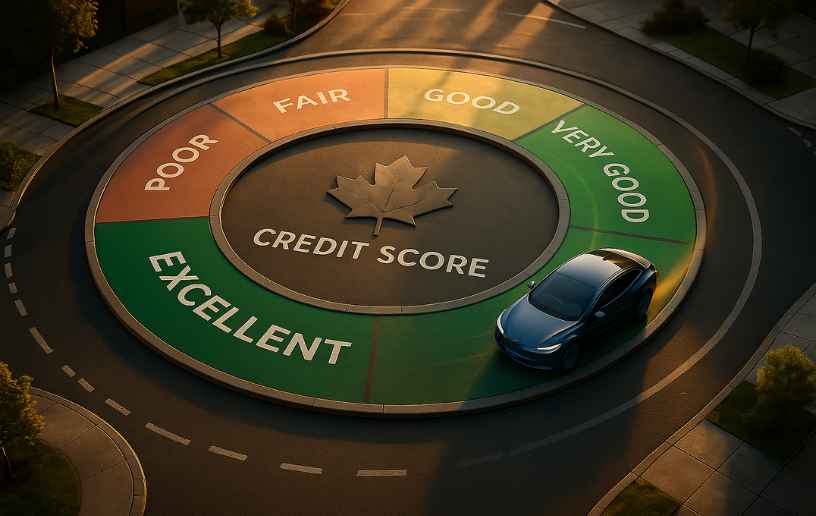
Secured financing also tends to open more doors. Lenders can look past a thin credit file or a few late payments because the vehicle limits how much they stand to lose. That's part of why auto financing is often more attainable for people rebuilding credit than an unsecured personal loan would be. To be clear, no lender can promise approval before reviewing your application, income, and credit history, but the structure of a secured loan generally works in the borrower's favour when it comes to getting a decision.
What This Means for Repossession Risk
The tradeoff is real and worth sitting with before you sign anything. Miss enough payments on a secured car loan and the lender can repossess the vehicle, sell it, and, if the sale doesn't cover what you still owe, come after you for the difference. That last part surprises people. Repossession doesn't automatically erase the debt; it just changes what the remaining debt is secured against, which at that point is nothing. Falling behind on an unsecured loan is also serious and will damage your credit, but there's no vehicle sitting in your driveway that can be towed away over it.
The specifics of repossession law vary somewhat by province, and BC, Alberta, and Saskatchewan each have their own rules about notice and process before a lender can sell a repossessed vehicle. Worth checking your provincial consumer protection office if you want the exact details for where you live. But the underlying point holds everywhere: the lien is a real, registered legal claim, not just boilerplate in a contract nobody expects to matter.
Pros and Cons, Side by Side
A secured car loan generally gets you a lower interest rate, a realistic path to approval even with imperfect credit, and predictable monthly payments over a set term. The cost is that the vehicle is on the line if things go sideways financially, and until the loan is paid off, you can't sell or trade the car without dealing with the lien first.
An unsecured loan flips those tradeoffs. There's no asset attached to the debt, so a job loss or financial rough patch doesn't put your car at risk of repossession, and the money isn't restricted to a specific purchase. But you'll typically pay a noticeably higher rate, the loan amount you qualify for may be smaller, and approval leans more heavily on having strong credit and income already in place.
When an Unsecured Personal Loan Might Make Sense Instead
Buying a car with an unsecured personal loan isn't the norm, but it isn't unheard of either, and there are a few situations where someone might genuinely prefer it. If you're paying cash for an older, lower-value vehicle and just need to bridge a gap, a small personal loan avoids the paperwork of registering a lien. Some buyers with excellent credit and an existing relationship with their bank can qualify for personal loan rates that are competitive enough to make the flexibility worth it. And if you like the idea of full ownership from day one with no lienholder involved, an unsecured loan delivers that in a way a secured auto loan structurally can't.
If you're weighing this against other borrowing options you might already have access to, a line of credit sits somewhere in the middle of secured and unsecured, and we've written more on how that comparison plays out. We've also broken down the broader personal loan versus car loan question if you want the full picture. For most buyers, though, especially anyone financing a newer vehicle or carrying a credit score that isn't perfect, a secured auto loan is still the more practical route to lower payments and a real shot at approval.
Making the Right Call for Your Situation
There's no universal right answer here, only the right answer for your credit profile, the vehicle you're buying, and how much cushion you want between your monthly budget and your risk tolerance. If predictable payments and the best available rate matter most, a secured car loan is almost always going to win out. If flexibility and keeping the vehicle entirely separate from the loan matter more to you, and your credit supports it, an unsecured option is worth a conversation with your bank.
Either way, it helps to work with someone who can lay out real numbers instead of generic advice. Our team can walk you through what a secured car loan would look like for your specific situation, what rates you might realistically expect, and how the approval process works, whether your credit is excellent or you're rebuilding it. You can start an application in a few minutes and see where you stand without any pressure to commit. Apply now to see your car loan options.