Camper Van Financing in Canada: Loans, Terms, and What to Expect
25 September 2026Camper vans sit in a grey zone for Canadian lenders. They are more lifestyle than a daily sedan, less standardized than a factory motorhome, and often modified by previous owners. That mix is why financing a camper van can feel harder than financing a regular vehicle — and different again from a full RV loan.
Here is what to expect on camper and conversion van loans in Canada, where lenders hesitate, and how to prepare a file that has a realistic shot.
Camper van vs. full RV financing
Factory RVs and travel trailers often go through RV-specific lenders who understand park models, slide-outs, and seasonal use. Camper vans and DIY conversion vans more often try to fit into auto or specialty vehicle programs. The paperwork, age caps, and advance rates are not identical.
If you are comparing a van conversion to a Class B or larger motorhome, read our RV financing guide for Canada first so you know which product lane you are actually in. Auto Lending Canada serves British Columbia, Alberta, and Saskatchewan drivers who need clear options before they buy. Start your application here when you are ready to test lender appetite.
Why lenders hesitate on DIY conversions
Homemade electrical systems, propane installs, cut roofs, and unpermitted structural changes make appraisers nervous. Collateral value is harder to pin down when two vans of the same year look nothing alike inside. Incomplete receipts, non-certified gas work, or weight that exceeds the chassis rating are common deal-killers.
Factory camper vans and professionally converted units with documentation generally fund more cleanly than backyard builds. If your dream van is a DIY project, expect a larger down payment, a shorter list of willing lenders, or a requirement to finance the van chassis first and complete the build with cash.
Age, kilometres, and use
Many auto lenders still apply passenger-vehicle age and kilometre caps. High-mileage vans that have already lived a delivery life before conversion can sit outside those caps. Seasonal use — parked all winter, heavy summer kilometres — also affects how some programs view residual value.
Be honest about whether the van will be a full-time home, a weekend trip machine, or a mixed daily driver. Insurance and lender use definitions do not always match Instagram captions. Full-timers may need different coverage and may find fewer retail auto programs willing to fund the unit.
Personal loan paths and lender types
Most retail camper van buyers start on a personal auto or specialty vehicle loan using personal credit and income. Banks and captives may prefer newer, lower-kilometre factory units. Alternative auto lenders sometimes stretch further on age or credit when down payment and income are strong.
Our overview of types of auto lenders in Canada helps you map which desk to approach. RV-only lenders may still be the better fit if the van is sold and titled as a motorhome rather than a cargo van with a bed.
Insurance and GAP
Camper vans can be expensive to insure relative to a stock cargo van, especially with aftermarket interiors and lithium power systems. Get insurance quotes before you lock a purchase price. If you are putting little down on a newer unit, ask whether GAP insurance in Canada makes sense for your equity position — it is not mandatory for everyone, but thin equity plus fast depreciation is where it usually gets discussed.
How to prepare the application
- Photo ID, proof of address, and income documents (pay stubs or NOA as applicable)
- Clear photos and a build sheet or conversion invoice if the van is modified
- Proof of professional certifications for propane or electrical work when available
- A realistic down payment and a vehicle inside common age/km ranges
- Insurance quote for the exact unit and intended use
Walk through the general Canadian application steps in how to apply for a car loan in Canada, then flag the conversion details early so underwriters are not surprised at funding.
Practical expectations
Do not expect every lender to love a high-mileage DIY van with incomplete receipts. Do expect better odds on documented professional conversions, cleaner chassis history, and stronger down payments. Approval is never guaranteed; it depends on credit, income, the specific van, and how the loan is structured.
Down payment and term choices
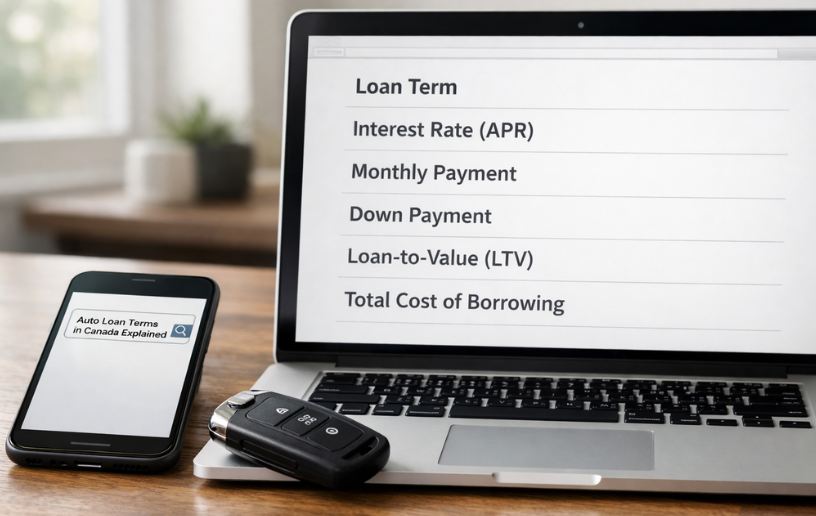
Camper vans often need more cash down than a daily driver of the same price, especially if the conversion is non-factory. A shorter term can help when the lender is already stretching on vehicle type. Longer terms lower the monthly number but increase the chance you owe more than the van is worth after a few seasons of depreciation.
If you plan to sell after two or three trip seasons, model the exit — not just the payment — before you sign. Specialty vehicles can take longer to resell than a mainstream sedan.
Next step
Camper van financing in Canada is doable when you pick the right product lane, document the conversion, and keep age, kilometres, and down payment inside what lenders will fund. Compare the van path with full RV programs, get insurance quotes early, and apply through a network that already places specialty vehicle files.
Auto Lending Canada serves drivers in British Columbia, Alberta, and Saskatchewan. Start your application here.