RV & Camper Financing in Canada: Rates, Requirements & How to Get Approved (2026)
29 August 2026Buying an RV, camper van, or travel trailer isn't quite like buying a car, and the financing behind it isn't quite the same either. If you're looking into RV financing in Canada for the first time, the terms, the rates, and the approval process can feel unfamiliar even to someone who's financed a vehicle before. Here's how RV loans actually work in 2026, what lenders check before they say yes, and how buyers in BC, Alberta, and Saskatchewan can put together a stronger application.
What Is RV Financing and How Does It Differ From a Car Loan?
Recreational vehicle financing is a secured loan. The RV, camper, or travel trailer is the collateral, and the lender registers a lien against it until the loan is paid off. In that sense, it works the same way a car loan does. The difference shows up in the numbers.
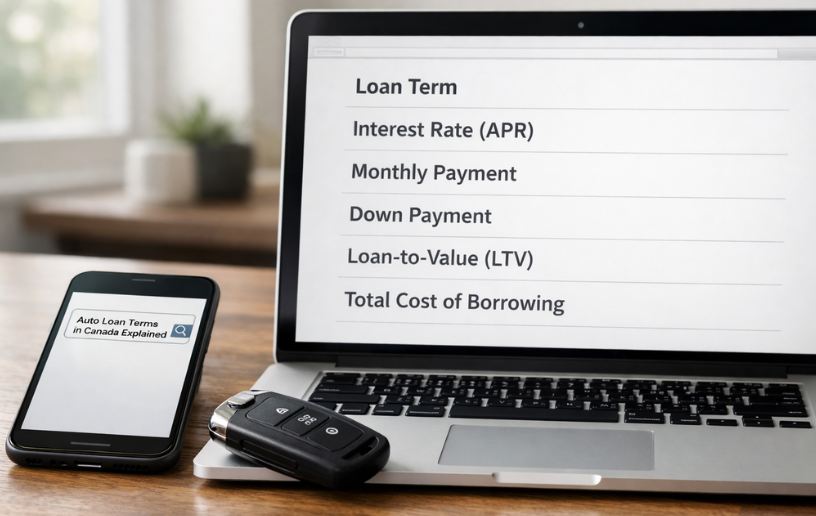
RVs cost a lot relative to most people's income, and they depreciate on a different curve than cars. A well-maintained travel trailer or Class C motorhome can hold its value for years if it's stored and serviced properly, though the swings can still be steeper than what you'd see on a sedan, depending on the brand and category. To keep monthly payments manageable on a purchase that size, lenders often stretch RV loan terms well past what's normal for auto financing, sometimes beyond 84 months on bigger units. That's good for cash flow and bad for total interest paid, so it's worth running the actual numbers instead of just eyeing the monthly payment. Our car loan calculator and payment formula guide breaks down how principal, rate, and term interact, and the math holds for camper van financing and travel trailer loans too.
RV Financing Rates and Terms in Canada in 2026
Rates on RV loans vary by lender, credit profile, loan-to-value, and whether the unit is new or used. Buyers with strong credit and a reasonable down payment tend to land closer to prime auto lending rates. Thinner credit files or older units push rates higher, since the lender is taking on more risk. Terms commonly run five to ten years depending on loan size and the RV's age — smaller pop-up trailers and camper vans usually get shorter amortizations, while larger fifth wheels and motorhomes are more likely to qualify for the longer end of that range.
"Recreational vehicle financing" covers a lot of ground, honestly. A tent trailer, a Class B camper van, and a 40-foot Class A motorhome get financed very differently, both in loan size and in how a lender views resale risk. Age and mileage (or engine hours, for motorized units) factor in just as much as the sticker price.
Credit Score and Down Payment Expectations
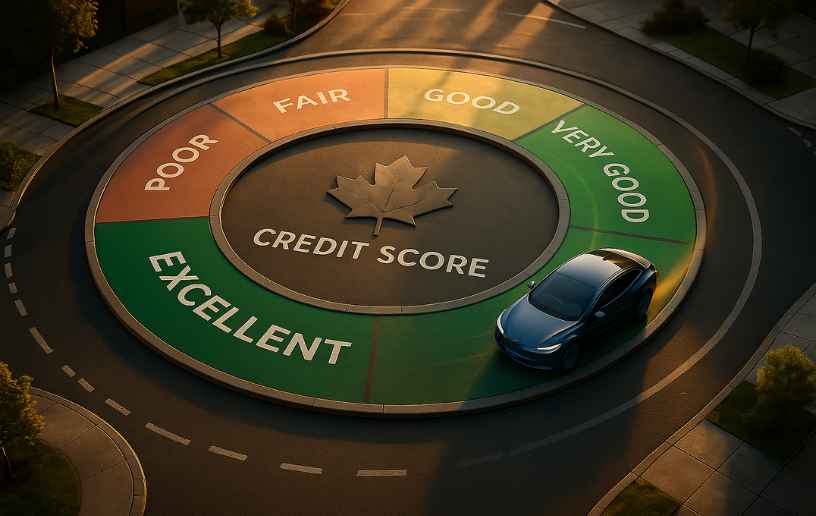
Most lenders reserve their best rate tiers for good-to-excellent credit, but a lower score doesn't automatically rule you out. It usually just means a different rate tier, a bigger down payment, or a shorter term instead. A down payment in the 10–20% range is a typical starting point, and putting more down tends to open up better offers while narrowing the depreciation gap in those early years, which matters more here than it does on a regular commuter car.
Debt-to-income ratio carries just as much weight as the score itself. An RV payment usually sits on top of a mortgage or rent, an existing car payment, and whatever else is already on your plate, so lenders want to see that the new payment actually fits rather than stretching the budget thin.
New vs. Used RV Financing
New RV financing tends to come with better terms, mostly because the lender has a clear picture of the unit's value and the manufacturer warranty is still active. Used RV financing is common and widely available, but expect closer scrutiny of age, condition, and how the unit was stored. A trailer that spent its winters properly winterized and covered is a different risk than one left exposed year-round, and lenders know it.
Private sales versus dealer purchases matter here too. Dealer deals usually come with a clean bill of sale and any existing lien already sorted out. Private sales often need an independent inspection and a lien search before a lender signs off. If you're eyeing a private RV purchase, budget the extra time for that paperwork.
How Lenders Assess RV Loan Applications
Lenders weigh a handful of factors together rather than leaning on any single number. Income and employment stability matter a lot, since an RV is a discretionary purchase, not a necessity, and steady verifiable income is one of the clearest signals a lender has. Existing debt load matters too — a mortgage, other vehicle loans, whatever's already committed gets weighed against income to see how much room is actually left. The RV itself gets assessed on its own merits: a newer trailer from a well-known manufacturer is generally easier to finance than an older, less common unit. And the down payment shapes the loan-to-value ratio, which affects both the lender's risk and the rate you're offered.
It's a similar framework to what applies across other recreational vehicle categories. Motorcycle financing in Canada gets assessed on much the same logic, just scaled down.
Tips to Strengthen Your RV Financing Application
Check your credit report before you apply, not after. A mistaken late payment or an outdated balance can quietly drag your score down and you'd never know unless you looked. Save toward a down payment if you can swing it, even a modest one, since it lowers your monthly payment and the lender's risk at the same time. Work out your total monthly budget first, including insurance, storage, and maintenance, not just the loan payment, so you're applying for an amount you can actually live with. And shop your financing before you fall for a specific unit. Walking into a dealership already knowing your realistic price range beats working backward from whatever number they hand you.
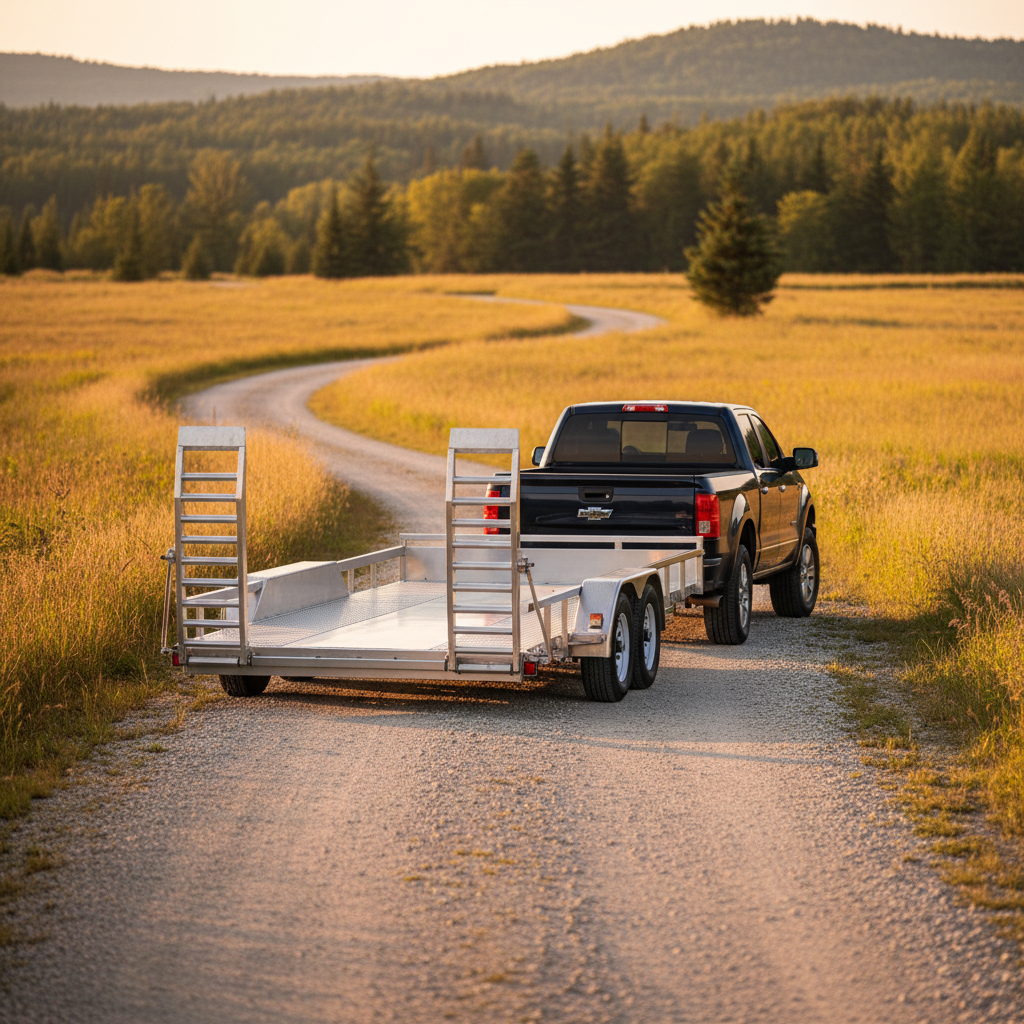
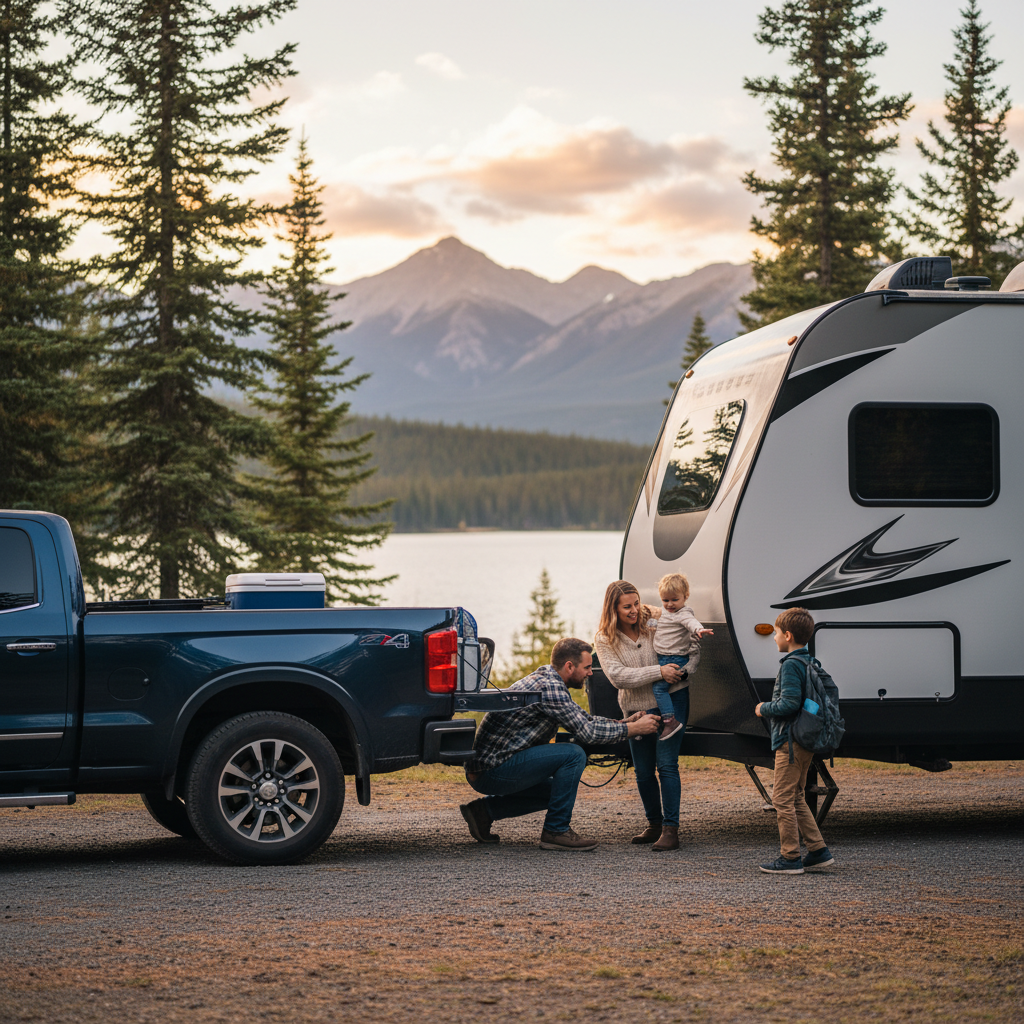
If a travel trailer means you also need a tow vehicle, look at that financing at the same time rather than as an afterthought. Our guides to truck financing and SUV financing in Canada cover what lenders expect from tow-capable vehicles, and running both numbers together gives you a real read on total monthly cost.
Some buyers weigh leasing an RV against financing one outright, especially on higher-end motorhomes where depreciation bites harder. If that's on your mind, our lease vs. finance comparison walks through the trade-offs, and most of that reasoning carries over to RVs without much modification.
Financing Notes for BC, Alberta, and Saskatchewan Buyers
A few regional realities are worth keeping in mind if you're shopping in this part of the country. RV season across the Prairies and BC is tied tightly to the warmer months, so demand and pricing can shift depending on when in the year you buy. Late-winter and early-spring shoppers often find more room to negotiate before the summer rush hits. Registration requirements also differ by province, so confirm what your specific province needs for vehicle and trailer registration and insurance before you finalize a purchase, since that affects the total cost you're financing.
Storage is a bigger factor here than in milder parts of the country. If you're financing a camper van or travel trailer you plan to store outdoors through a BC, Alberta, or Saskatchewan winter, build that into your budget and ask your lender or insurer whether there are storage-related requirements. How a unit gets kept over the winter has a real effect on its condition, and eventually its resale value.
Getting Pre-Approved for RV Financing
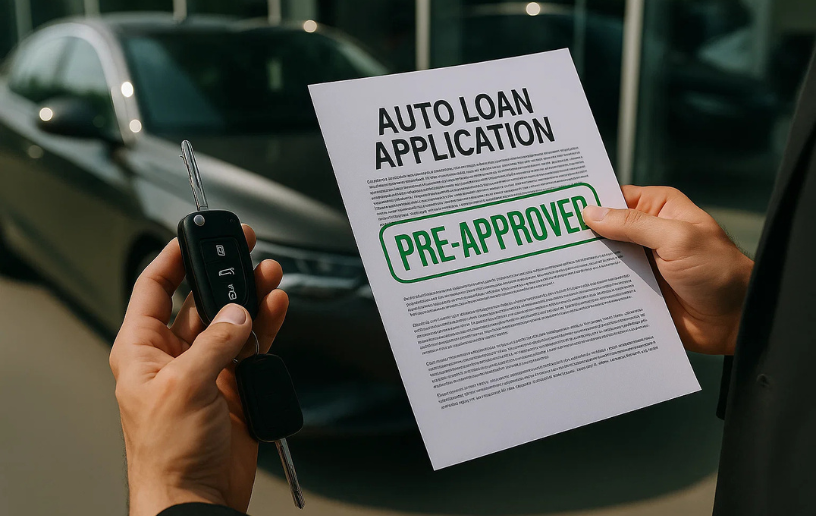
The clearest way to know what you actually qualify for, rate, term, and loan amount, is to get pre-approved before you start seriously shopping. It replaces a guess with a real number, and it puts you in a stronger spot when you're negotiating on a specific unit, whether that's a used travel trailer or a new Class C motorhome.
Auto Lending Canada works with buyers across British Columbia, Alberta, and Saskatchewan on RV, camper, and travel trailer financing. Apply for pre-approval to see what rates and terms you may qualify for based on your situation.