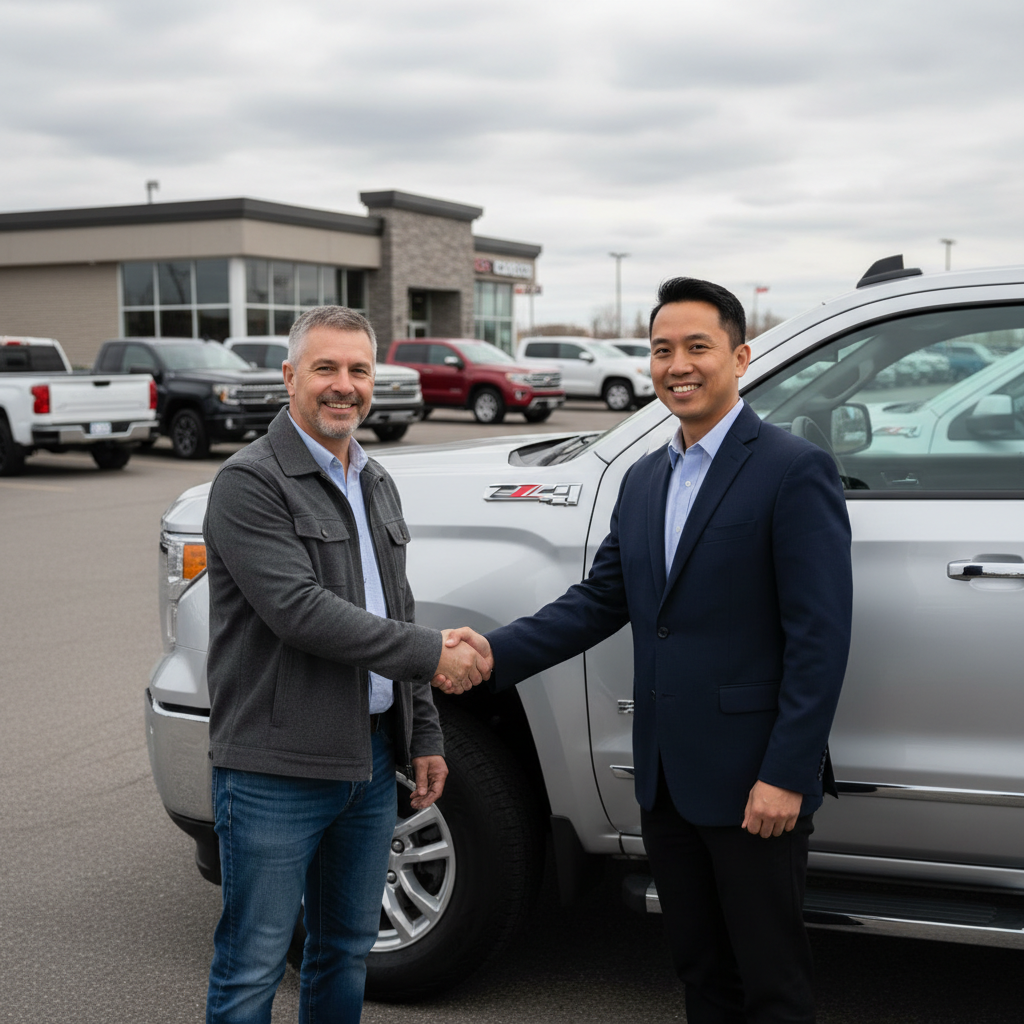
Truck Financing in Canada: Rates, Requirements & How to Get Approved
23 August 2026Trucks cost more than cars, and lenders treat them a little differently because of it. If you've started shopping for a pickup and then gone looking for financing, you may have noticed the numbers don't quite line up with what you'd expect from a sedan loan. That's not a mistake. It's how truck financing works in Canada, and knowing the difference before you sit down with a lender or a dealer's finance manager can save you real money.
Why Trucks Get Financed Differently
Start with the price tag. A base Ford F-150 or Ram 1500 in Canada often lists well above the average car, and once you add a crew cab, 4x4, and a decent trim package, financed amounts of $50,000 to $75,000 aren't unusual. Lenders size up a $70,000 loan differently than a $25,000 one. The monthly payment has to fit your income, and the loan-to-value math gets more sensitive to your down payment.
Then there's the Canadian market itself. Half-ton pickups have been the best-selling vehicles in this country for years, which cuts both ways for financing. Trucks hold their resale value better than most sedans, so a lender can recover more if a loan goes sideways, which lowers their risk. But high demand also means high prices, and used truck values haven't come down the way some other segments have. If you're weighing which model to finance, a rundown of the best pickup trucks to buy in Canada is worth a read before you lock in a trim level, since resale strength varies more by model than most buyers assume.
What Lenders Actually Look At
The basics are the same as any auto loan: credit score, income, debt load, employment history. But a couple of things get extra scrutiny on truck applications specifically.
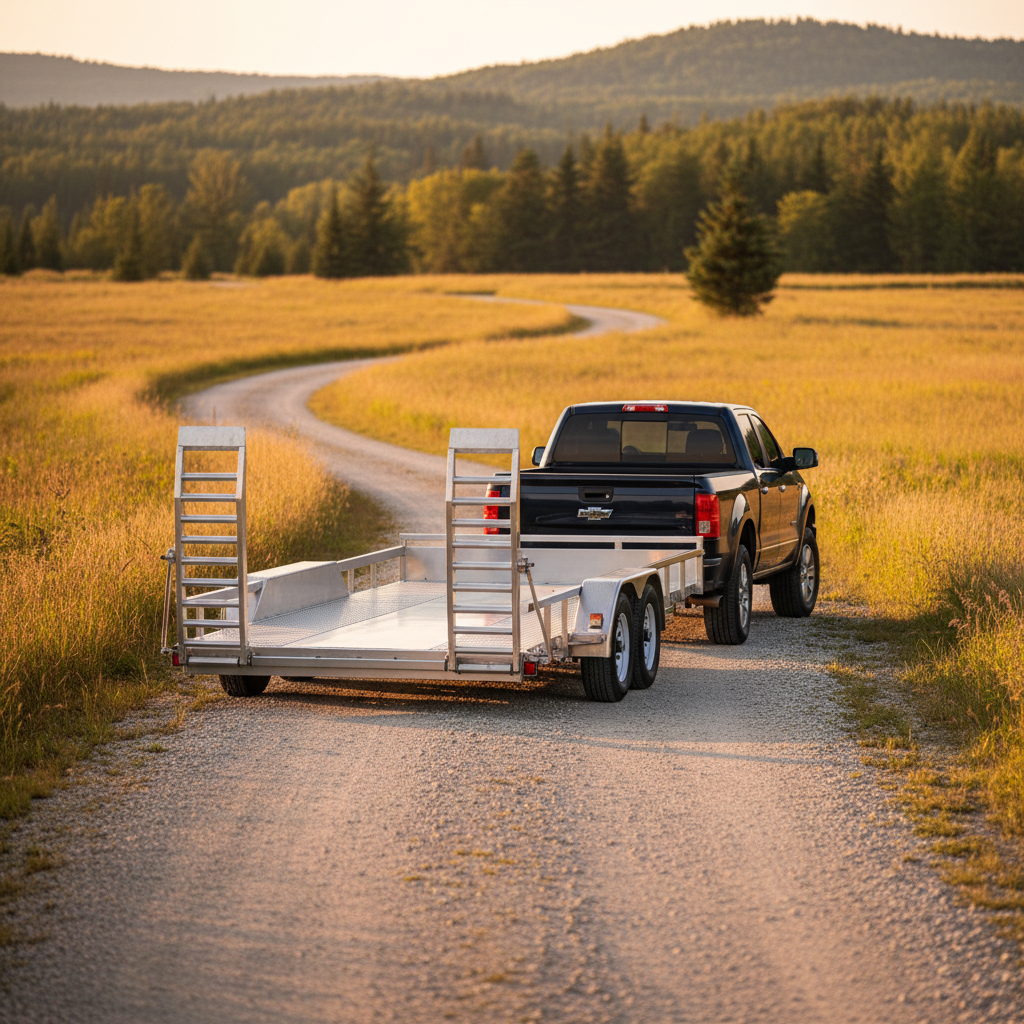
First is intended use. Buying for personal driving, commuting, hauling a boat on weekends, the occasional home renovation run, that's a standard consumer loan. If the truck is going to tow a trailer for work five days a week or carry a business name on the door, some lenders will ask whether it should be financed as a commercial vehicle instead, and that comes with different rate structures and documentation. Say so upfront. It's faster than having an underwriter flag it later.
Second is total cost of ownership, and insurance is the part people underestimate. Full-size trucks, especially newer ones loaded with tech and pricier to repair after a claim, often carry higher premiums than a comparable sedan. A lender working out whether you can actually afford a payment will sometimes factor in a rough insurance estimate. Get a real quote before you sign anything if you haven't already, because a truck that fits your budget on paper can stop fitting once insurance and fuel are added in.
Payload and Towing vs. What You Can Actually Afford
This is where truck shopping gets emotional in a way car shopping usually doesn't. Buyers often size up: a bigger cab, a heavier-duty trim, more towing capacity than they'll use in a given year, because trucks are aspirational purchases as much as practical ones. That's fine if the budget supports it. It's a problem when someone finances a 3/4-ton diesel for towing they'll do twice a year, when a half-ton would have covered it for $150 a month less. Fuel matters here too. The gap between a V6 and a heavy V8 adds up fast over a five-year loan, on top of whatever you're already paying in interest, so it's worth comparing fuel economy across trims before you commit to the biggest engine on the lot.
New vs. Used: The Tradeoffs
New truck financing usually comes with lower advertised rates, occasionally 0% on select models during manufacturer promotions, plus a full warranty and the newest safety tech. The catch is depreciation. A new truck loses a meaningful chunk of value in year one, so if you finance with little money down, you can end up owing more than the truck is worth for a stretch of the loan.
Used truck financing runs at higher interest rates on average, since the vehicle is worth less as collateral and lenders price in more risk on an asset that's already taken its first depreciation hit. But the purchase price is lower, which for a lot of buyers means a smaller loan and a payment that's easier to live with, even at a higher rate. A three- or four-year-old F-150 or Silverado with reasonable mileage can still have most of its useful life ahead of it, especially if the maintenance history checks out. If you're leaning used, our guide to used car loans in Canada covers the mechanics of financing an older vehicle, including how age and mileage caps affect which lenders will even consider the loan.
Down Payments and Loan Terms
For a new truck, expect lenders to ask for something in the 10 to 20 percent range as a down payment, though this shifts based on your credit profile and the specific lender. Put down less than that and you're more exposed if the truck depreciates faster than you pay down the loan, which is a real risk given how quickly new vehicles lose value in their first two years. For used trucks, down payment expectations vary more widely. A well-qualified buyer might get away with less, while a thinner credit file usually means a bigger down payment is asked for.
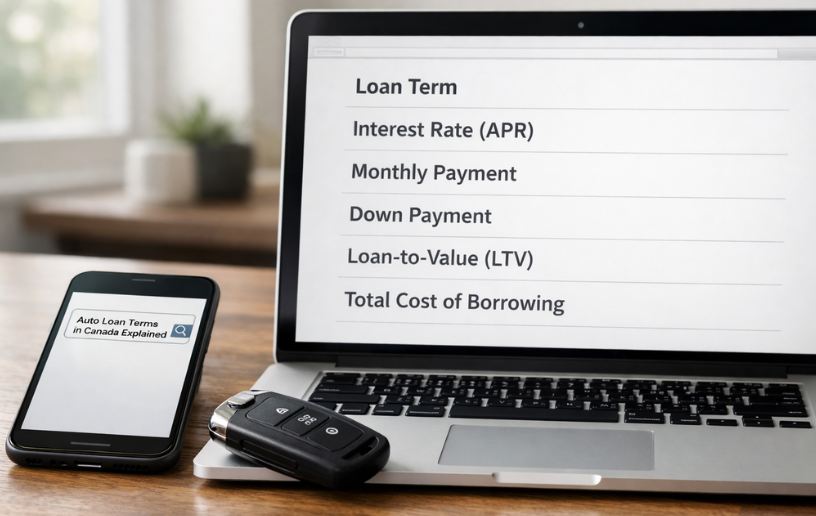
Terms on truck loans run longer than they used to, mostly because of the higher price points involved. Where a car loan might sit at 60 to 72 months, truck loans stretching to 84 months are common now, sometimes 96 at the outer edge. A longer term drops your monthly payment, which is exactly why buyers reach for it, but it also means more interest paid over the life of the loan, and a longer stretch of being underwater if the down payment was small to begin with. Our article on car loan down payments in Canada walks through how down payment size interacts with rate and term in more detail.
How Credit Tier Changes Your Rate
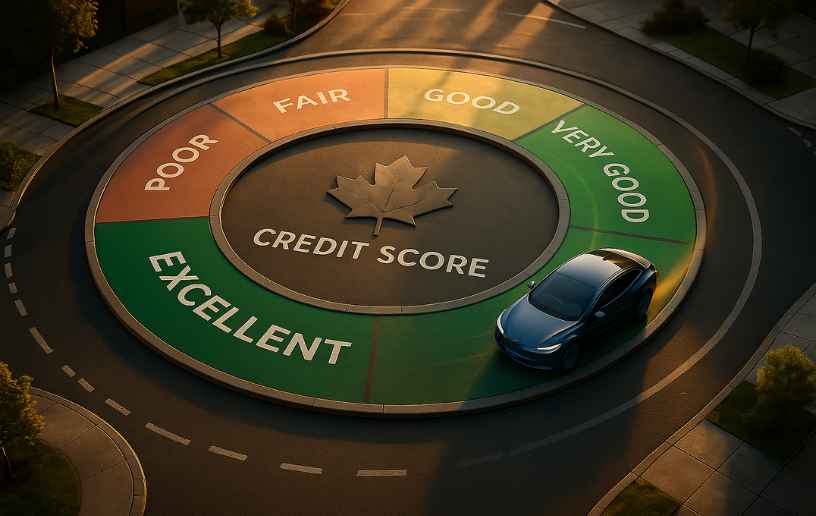
Credit tier affects every auto loan, but on a truck the gap between tiers shows up as a bigger dollar figure, simply because the loan amounts are larger to start with. A borrower with a strong credit score, roughly 720 and up, typically qualifies for the best posted rates from banks and captive finance arms. Good credit, say 650 to 719, still gets solid offers but not the headline rate you see advertised. Below that, into fair and subprime territory, rates climb and the lender pool narrows to those who specialize in higher-risk auto lending.
Here's the part that catches people off guard: on a $60,000 truck loan, a 4-point difference in APR can mean $100 or more a month, and thousands over the life of the loan. That's a bigger swing than the same rate gap produces on a $20,000 car loan. Even a 20 or 30 point bump to your credit score before applying can shift you into a better bracket, so it's worth checking where you stand first if you have the time.
Getting Approved Without Perfect Credit
Less-than-perfect credit doesn't rule out truck financing, but it does change your approach.
- Bring a larger down payment if you can manage it. It shrinks the loan-to-value ratio and gives a lender more reason to say yes.
- Consider a shorter loan term. It costs more monthly but signals lower risk and can improve the rate you're offered.
- Have your income documentation ready before you apply: pay stubs, a recent notice of assessment, proof of address. Having it on hand speeds things up and avoids delays that can cause a pre-approval to lapse.
- If you're self-employed, expect a lender to look closer at income stability, since it's harder to verify than a T4 from an employer. Our guide to car loans in Canada for self-employed buyers covers what documentation tends to move things along.
- Get pre-approved before you walk onto a lot. Knowing your rate and budget ahead of time keeps the conversation with a salesperson focused on the truck, not the financing.
None of this guarantees a particular rate or outcome. Every application is assessed on its own facts, and no lender can promise approval before actually reviewing your file. What a solid application does is put you in the best position the lender's underwriting allows, which is really all anyone can ask going in.
If you're ready to see where you stand, you can get pre-approved for truck financing and get a clearer picture of your rate and payment options before you start negotiating on a specific vehicle.