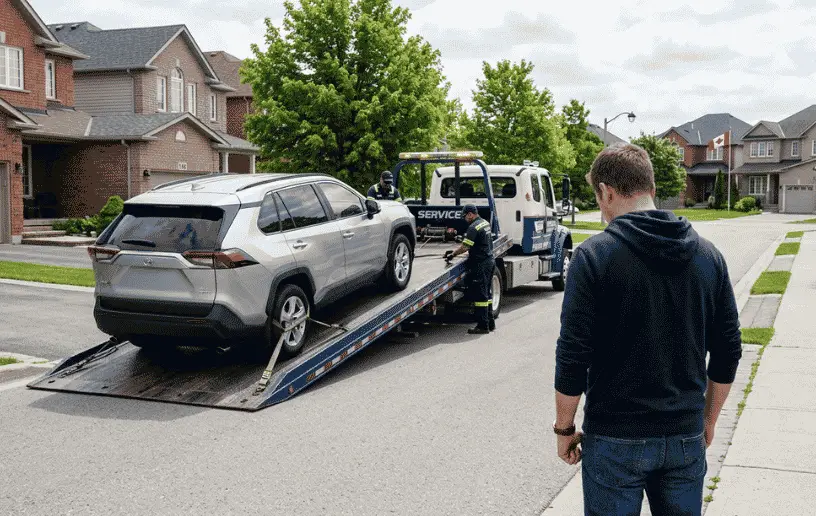
Can Your Car Be Repossessed Without Notice in Canada?
07 May 2026A common question people ask is whether a lender can legally repossess a car without notice in Canada. The answer is not completely straightforward because repossession laws vary by province, but in many parts of Canada, lenders can repossess a financed vehicle without giving advance warning once the borrower has defaulted on the loan agreement.
However, that does not mean lenders can act without limits. Borrowers still have legal rights, and understanding how repossession works can help Canadians avoid costly mistakes and protect themselves if financial difficulties arise.
If you are already behind on payments, worried about default, or simply trying to understand your rights before financing a vehicle, knowing how repossession laws actually work in Canada can help you avoid expensive surprises later.
What Car Repossession Means
Car repossession happens when a lender takes back a financed or leased vehicle because the borrower failed to meet the terms of the financing agreement. In most cases, repossession occurs after missed payments, but payment issues are not the only reason a lender may consider a borrower to be in default.
Failing to maintain insurance coverage, repeatedly making late payments, providing inaccurate financial information during the application process, or violating other terms of the contract may also trigger default clauses. Once a borrower is considered in default, the lender gains certain legal rights outlined in the financing agreement.
When Canadians finance a vehicle, the lender usually holds a security interest in the car until the loan is fully paid. That means the vehicle technically acts as collateral for the loan. If the borrower stops meeting the agreement terms, the lender may legally recover the asset to reduce financial losses.
Can Lenders Repossess a Car Without Warning?
In many Canadian provinces, the answer is yes. A lender may repossess a vehicle without providing advance notice after the borrower defaults on the loan. This surprises many people because they assume lenders must issue a formal warning before taking the vehicle.
In most cases, the lender’s authority comes directly from the financing agreement signed at the time of purchase. Auto loan contracts typically include clauses stating that the vehicle can be repossessed if payments are missed or if the borrower violates other conditions of the agreement, such as failing to maintain insurance coverage.
That said, “without notice” does not necessarily mean “without legal process.” Provincial laws still regulate how repossession can happen, what lenders are allowed to do, and what rights borrowers retain afterward.
Depending on the province, borrowers may receive formal communication after the repossession explaining the remaining balance, repossession fees, options for recovering the vehicle, or the lender’s plan to sell it. Some provinces also provide stronger consumer protections that may require additional legal steps before a lender can proceed with seizure.
Repossession Rules Across Canada
Canada does not have one single repossession law that applies everywhere. Each province has its own rules, which means the repossession process can look different depending on where the borrower lives.
In provinces like Ontario, Alberta, and British Columbia, lenders generally have the right to repossess a vehicle after the borrower defaults on the loan, often without needing a court order first. This is especially common with subprime auto loans and conditional sales agreements.
Quebec follows a different legal system than the rest of Canada, so repossession rules there can be stricter for lenders. In some situations, borrowers may receive stronger legal protections before a vehicle can be seized.
Because repossession laws are different across Canada, borrowers should always review both their loan agreement and the rules specific to their province.
How Many Missed Payments Before Repossession?
There is no universal Canadian rule that says a lender must wait for a certain number of missed payments before repossessing a vehicle. In practice, some lenders may act after just one missed payment, while others may wait until two or three payments are overdue.
The lender’s decision often depends on several factors, including the borrower’s payment history, communication efforts, credit profile, and loan risk category.
Subprime auto loans typically carry a higher repossession risk because lenders consider those loans higher risk from the beginning. Some subprime lenders are very quick even when a single payment is missed, especially if the borrower stops communicating altogether.
Borrowers sometimes assume they have a grace period simply because a lender has not acted immediately in the past. Unfortunately, previous flexibility does not guarantee future leniency.
Where Can Repo Agents Legally Take the Vehicle?
In many provinces, repo agents can legally recover a vehicle from publicly accessible areas. This may include a driveway, workplace parking lot, street parking, or open apartment complex parking.
However, repo agents generally cannot force entry into locked garages or secured private property without permission. They also cannot use threats, violence, intimidation, or physical confrontation during the repossession process.
Canadian repossession laws often revolve around the concept of “breach of peace.” If recovering the vehicle would create a dangerous confrontation or require unlawful entry, repo agents may be restricted from proceeding in that manner.
While repossession can happen suddenly, lenders and repo agencies are still expected to follow legal boundaries.
What Happens After the Vehicle Is Repossessed?

Once a vehicle has been repossessed, it is typically moved to a storage facility or impound lot controlled by the lender or repossession company. Shortly afterward, the borrower is usually notified about the repossession, the remaining loan balance, additional fees, and the available options for recovering the vehicle.
Depending on the lender and provincial regulations, borrowers may have an opportunity to reinstate the loan by paying the overdue payments along with any applicable late charges, storage fees, and repossession costs. In other cases, the lender may require the full outstanding loan balance to be paid before the vehicle can be returned.
If the borrower is unable to recover the vehicle, the lender will generally proceed with selling it through an auction, wholesale channel, or dealership sale in an effort to recover the unpaid debt.
A common misunderstanding is that repossession automatically eliminates the borrower’s financial obligation. In many cases, that is not true. If the sale amount does not fully cover the remaining loan balance and related expenses, the borrower may still be responsible for paying the difference, commonly referred to as a deficiency balance.
For instance, if a borrower still owes $30,000 on the loan and the repossessed vehicle sells for only $22,000 after auction and administrative costs are deducted, the remaining balance may still be legally collectible.
Does Repossession Affect Credit Scores?
Yes, repossession can seriously damage a borrower’s credit profile.
The impact usually begins before the repossession itself because missed payments are already being reported to credit bureaus. Once the loan enters default and repossession occurs, the negative effects become even more severe.
A repossession may remain on credit reports for several years and can make future financing much more difficult. Borrowers may face:
- Higher interest rates
- Loan rejections
- Difficulty leasing another vehicle
- Challenges obtaining credit cards or personal loans
For borrowers already struggling financially, repossession can create long-term financial pressure well beyond losing the vehicle itself.
Voluntary Surrender vs Forced Repossession
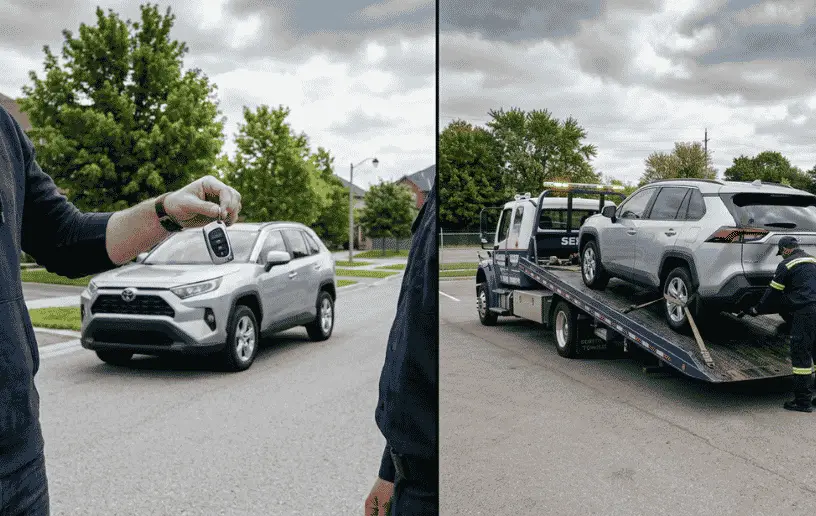
Some borrowers choose voluntary surrender when they realize they can no longer afford the payments. This means returning the vehicle willingly before the lender sends a repo agent.
Voluntary surrender may reduce some repossession fees and can sometimes make the overall situation less stressful. However, it does not erase the outstanding debt. The lender may still sell the vehicle and pursue the borrower for any remaining balance afterward.
From a credit perspective, voluntary surrender is still considered a serious negative event, although some lenders may view it slightly more favorably than a forced repossession.
What Borrowers Should Do If They Are Falling Behind
Ignoring the situation is usually the worst possible approach. Many repossessions happen because borrowers stop communicating with the lender entirely.
If payments are becoming difficult, borrowers should contact the lender as early as possible. Some lenders may offer temporary payment deferrals, revised payment schedules, refinancing options, or short-term hardship arrangements.
Borrowers should also avoid allowing insurance coverage to lapse, since failing to maintain insurance can independently trigger default under many financing agreements.
In more serious financial situations, Canadians may consider speaking with a licensed insolvency trustee or credit counsellor to understand their options.
Still struggling with high car payments or worried about falling behind?
Learn how refinancing could help lower your monthly payments and improve your financial flexibility in our latest blog, Refinancing Your Auto Loan in Canada
Borrower Rights During Car Repossession in Canada
Falling behind on vehicle payments does not mean borrowers lose all legal protection. Even after a loan goes into default, Canadian consumers still have important rights throughout the repossession process, and lenders are expected to follow provincial laws when recovering and selling a vehicle.
During and after a repossession, borrowers generally have the right to:
- Receive information about the outstanding loan balance and additional repossession-related charges
- Be informed about the lender’s plans for selling or auctioning the vehicle
- Recover personal belongings left inside the vehicle after repossession
- Request details regarding how the vehicle was sold and how sale proceeds were applied to the loan
- Dispute inaccurate charges or potentially unlawful repossession activity
- Be protected from harassment, intimidation, threats, or misleading conduct during the recovery process
Repo agents also operate under legal limitations. They cannot legally impersonate law enforcement officers, use physical force, threaten borrowers, intentionally damage property, or create dangerous confrontations while attempting to recover a vehicle. In many provinces, they are also restricted from entering locked garages or secured private property without permission.
Understanding these rights can make a significant difference during an already stressful financial situation. While repossession can move quickly, borrowers still have protections under Canadian law, and knowing those protections can help prevent further financial or legal complications.
Key Takeaways for Canadian Borrowers
A lender can legally repossess a financed vehicle without giving advance notice once the loan goes into default. However, repossession laws vary across the country, and borrowers still have important legal rights and protections throughout the process.
The best approach is to act early. Missing a payment does not always lead directly to repossession, but ignoring the situation or avoiding communication with the lender can make things more difficult and expensive over time.
Before financing a vehicle, borrowers should take the time to fully understand the loan agreement, including the repossession terms, payment obligations, and potential consequences of default. Financial challenges can happen unexpectedly, but knowing your rights, staying informed, and communicating early can help make the situation far more manageable.
Be ready before you buy. Secure your pre-approval with Auto Lending Canada now.