Hybrid Car Financing in Canada: Loans, Rates, and What Lenders Look For
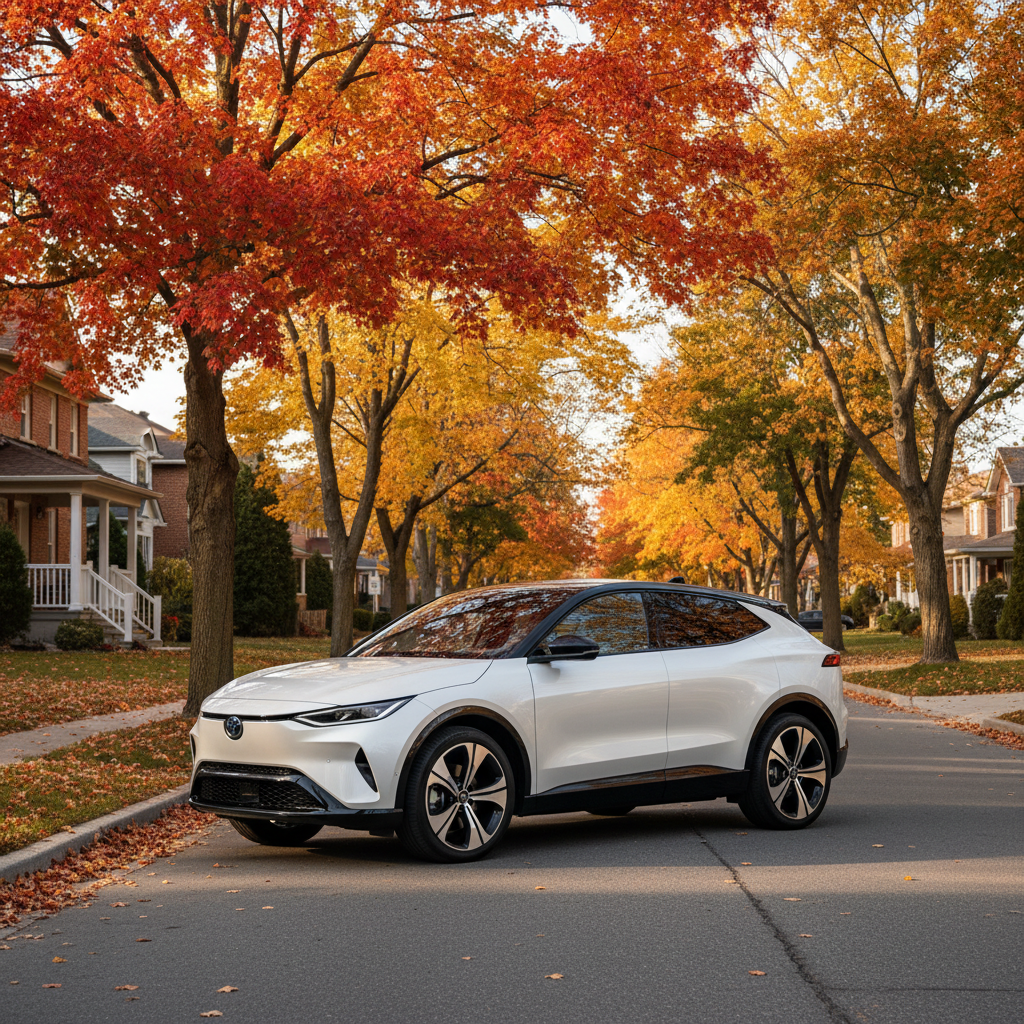
28 September 2026Hybrid cars sit between traditional gas vehicles and full electrics: a gas engine plus an electric motor that cuts fuel use without requiring you to charge on a public network. Financing a hybrid is usually closer to a standard auto loan than to EV-specific programs — but purchase price, residual value, and the fuel-savings story still affect how you should shop the payment.
If you are comparing hybrids in British Columbia, Alberta, or Saskatchewan, this guide covers how hybrid financing typically works, what lenders look for, and how to weigh monthly fuel savings against a higher loan amount.
Start your application here when you know you want a hybrid — you can refine the model after a lender reviews your file.
Hybrid financing vs EV financing
Full electric vehicles often involve higher sticker prices, different incentive rules, and sometimes distinct lender programs. Hybrids — including conventional hybrids and plug-in hybrids — are usually underwritten like other passenger cars and SUVs: credit, income, debt-to-income, down payment, and vehicle age or kilometres.
Do not assume EV incentives or charging math apply one-for-one to a hybrid. If you are deciding between battery-electric and hybrid, read our separate guide to electric vehicle financing in Canada, then come back here for hybrid-specific loan and budget points.
What lenders look for on a hybrid application
Expect the same core checks as any auto loan:
- Credit score and history: Rates and approval odds still move with Equifax and TransUnion strength.
- Income stability: Pay stubs or other proof that covers the payment.
- Debt load: Existing loans and credit cards relative to take-home pay.
- Down payment: More cash down can improve structure on a higher-priced hybrid SUV.
- Vehicle details: New vs used, mileage, and whether the model sits inside the lender’s advance limits.
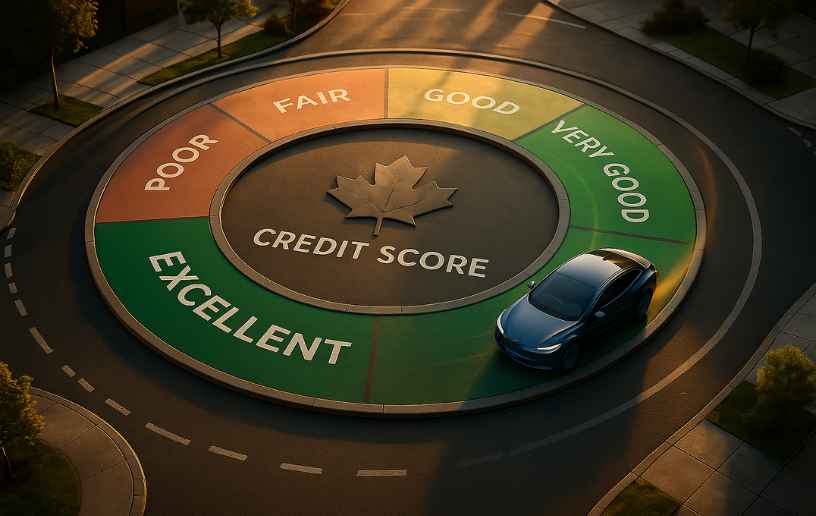
Pricing still follows credit bands. Our breakdown of car loan rates by credit score in Canada shows how quotes typically change as your score improves.
Fuel savings vs loan math
Hybrids often cost more up front than a comparable gas trim. Fuel savings can offset that over years of ownership — but only if your driving pattern actually burns less fuel and if the extra financed amount does not erase the benefit with interest.
Run the numbers with your real commute, not a brochure claim. A hybrid that saves fifty dollars a month in fuel but adds eighty dollars a month in payment is not a win on cash flow. Include insurance: some hybrids cost similar to gas twins; others sit in a different class.
For a broader affordability framework before you lock a trim, see how much car you can afford.
New vs used hybrids
New hybrids may offer manufacturer rates or cash incentives if your credit qualifies. Used hybrids can be strong value when battery and service history are clean, but lenders still cap age and kilometres. Ask for maintenance records and, on plug-in hybrids, confirm charging equipment and battery warranty status before you finance.
Private sales can be financed in some programs; dealer purchases are usually simpler for lien and paperwork. Battery condition matters for residual value — a cheap used hybrid with a weak battery can become expensive quickly.
Hybrid SUVs and family shopping in Western Canada
Many BC, Alberta, and Saskatchewan buyers want hybrid crossovers for winter commuting and family cargo without jumping to a full EV. Model choice affects both payment and insurance. Our roundup of best hybrid SUV models in Canada for 2026 is a useful shortlist before you talk numbers with a lender.
Cold winters reduce real-world efficiency on any electrified powertrain. Keep winter fuel and block-heater habits in the budget even when the vehicle is a hybrid.
Practical tips before you apply
- Decide hybrid vs plug-in hybrid first — PHEVs add charging habits and sometimes different insurance.
- Compare total monthly cost: payment + insurance + fuel, not payment alone.
- Know your credit band so manufacturer “from” rates do not set false expectations.
- Keep the term realistic; stretching seven or eight years on a depreciating unit raises risk if you sell early.
- Have income and ID documents ready so one clean application beats three rushed ones.
Who hybrid financing suits
Hybrid financing fits buyers who want lower fuel use without committing to a full EV lifestyle, and who can support the payment on current income. It is a weaker fit if the only way the deal works is optimistic fuel-savings math stacked on a long term. Approval is never guaranteed — present a complete file and pick a vehicle inside the lender’s guidelines.
Incentives, residuals, and resale reality
Federal and provincial incentives change over time and often favour battery-electric vehicles more than conventional hybrids. Do not build your loan math around an incentive that does not apply to the powertrain you are buying. Confirm current programs for your province before you treat a rebate as part of the down payment.
Hybrids generally hold value differently than comparable gas trims and differently again from EVs. That residual story matters if you might sell or refinance before the term ends. A long term on a high-trim hybrid SUV can leave you underwater if you exit early — another reason to size the loan to a payment you can sustain, not the lowest monthly number on a whiteboard.
Dealer, bank, and broker paths
Franchise dealers often have captive or partner finance for qualifying hybrid buyers, including manufacturer rate promotions on new units. Banks and credit unions can be competitive when your credit is strong. Specialty lenders and brokers fill gaps when a prime desk declines or when you need structure on a used hybrid outside captive programs. Compare the full contract — rate, term, fees, and any add-ons — not just the advertised payment.
Ready to finance a hybrid?
Auto Lending Canada helps drivers across British Columbia, Alberta, and Saskatchewan compare auto loan options, including hybrid cars and SUVs. When you are ready, submit a clear application and let lenders respond to your real numbers.