
Lease Buyout Loans in Canada: How to Finance Buying Out Your Lease
24 August 2026Somewhere around the eighteen-month mark of a lease, most drivers stop thinking of their car as a temporary arrangement and start thinking of it as, well, their car. Low mileage, no scratches you're ashamed of, and a nagging sense that the payments you've made so far were basically rent. If that sounds familiar, a lease buyout loan might be the cheapest way to make the car actually yours.
A lease buyout is exactly what it sounds like. You purchase the vehicle you've been leasing instead of handing back the keys at the end of the term. The price is set in advance, written into your original lease contract as the "residual value" — the leasing company's estimate, made years earlier, of what the car would be worth once the lease ended. You can sometimes buy out a lease early too, though the payoff figure there usually rolls in the remaining lease payments on top of that residual amount, so it's rarely a deal unless there's another reason you need out of the lease.
Why buy out a lease instead of walking away
The math only works in certain situations, but when it works, it works well. The most common trigger is a gap between the buyout price and what similar used vehicles are actually selling for. Residual values get set years before anyone knows what used car prices will actually do, and after the price swings of the last few years, a lot of drivers are finding their buyout figure sits thousands below current market value for the same year, make, and model. Buy the car in that situation and resell it privately, and you could turn a profit. Most people don't bother with that step. They just keep driving a car they now own for less than a comparable one would cost anywhere else.
There's a simpler reason too: you like the car. You know its full history because you're the only one who's driven it. No unknown wear, no guessing about how the last owner treated it, no wondering what maintenance got skipped. Buying out your own lease is about as low-risk as a used car purchase gets, because you already know everything a stranger's vehicle history report never quite tells you.
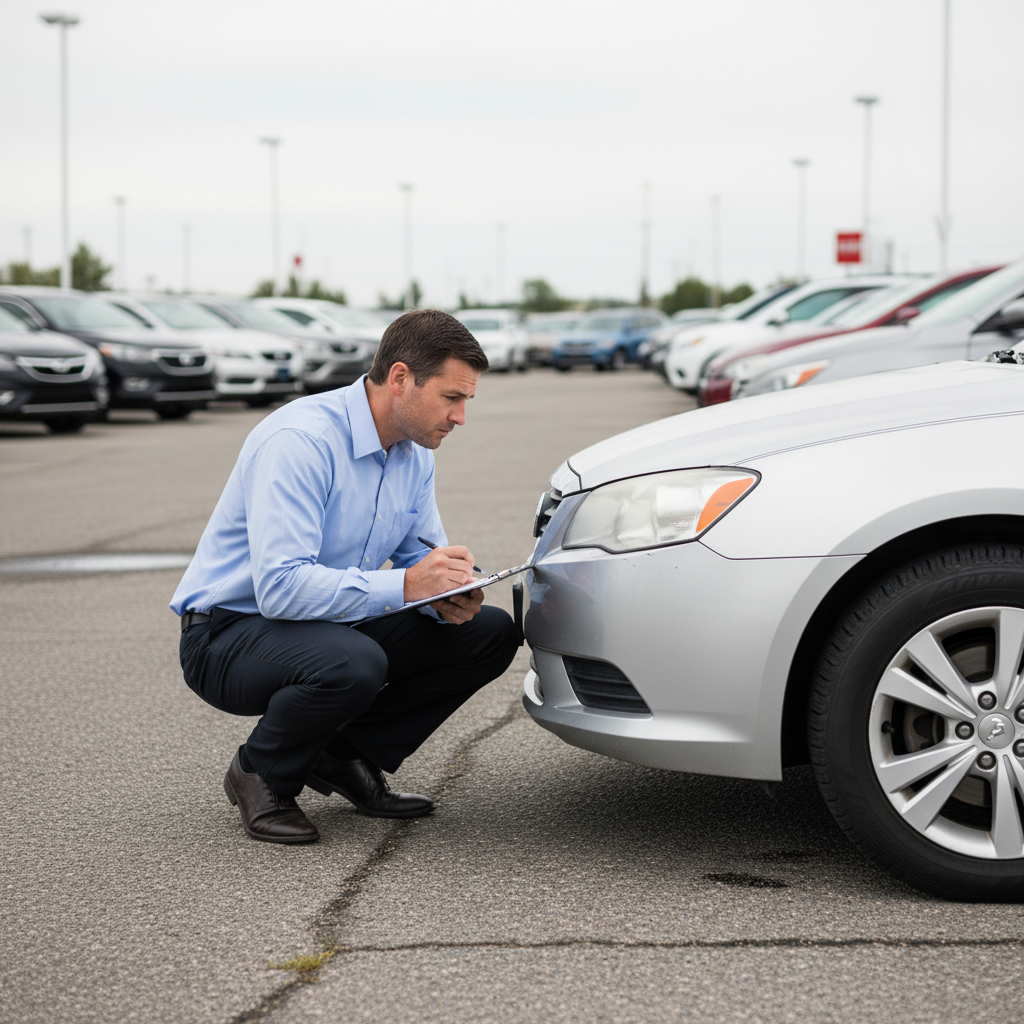
And there's a practical angle. If you're under your mileage allowance and the car's in decent shape, buying it out means skipping the end-of-lease inspection, excess mileage charges, and disposition fee. Those costs can add up to a four-figure surprise on a car you were about to hand back anyway.
One thing that surprises people the first time around: the buyout price itself isn't up for negotiation the way a used car price at a dealership is. It was fixed the day you signed the lease. So the "shopping" part of this decision happens entirely on the financing side, not the purchase price, which actually simplifies things once you know that going in.
How lease buyout financing actually works
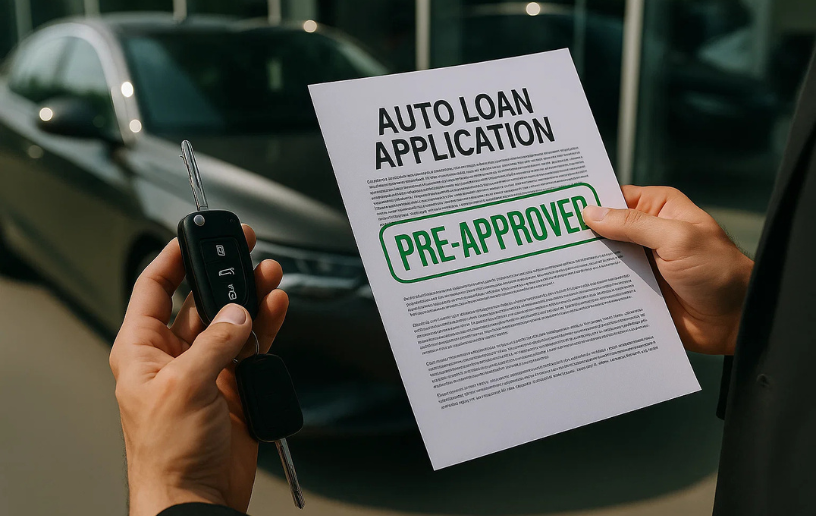
Once you decide to go ahead, the transaction looks almost identical to financing a used car purchase. The leasing company just stands in as the seller instead of a dealership. A lender pays the leasing company the agreed residual value on your behalf, the lease closes out, and you now owe that amount to the lender instead. Terms typically run two to six years, depending on the loan amount and how you want the payment to land.
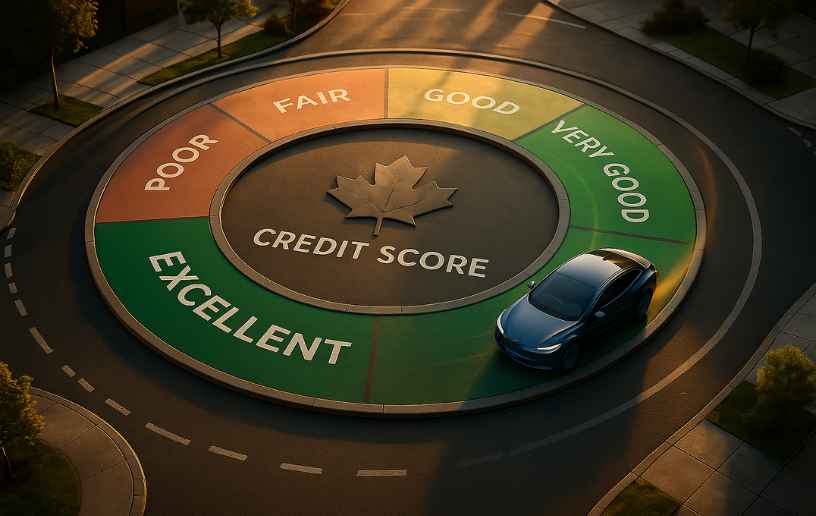
Because the vehicle already carries some age and mileage, lenders size up a buyout loan the same way they'd size up financing on any used car: the vehicle's value against the loan amount, your credit, your income. Rates tend to land close to standard used-car auto loan rates, sometimes a bit better since the car's condition and history are unusually well documented, and there's no mystery previous owner to account for. If you're deciding between a fixed monthly payment and a rate that moves with the market for a buyout term, our breakdown of how fixed and variable rate auto loans compare in Canada is worth a look before you sign anything.
Some leasing companies and manufacturer finance arms will offer to finance the buyout themselves. Get that quote as a baseline, but don't assume it's your best rate — it's a captive offer with little reason to compete on price. Shopping the buyout amount with an independent lender the same way you'd shop any other used car loan tends to pay off over a four or five year term.
What you'll need to apply
The paperwork is lighter than you'd expect, mostly because the leasing company already has all the vehicle information a lender would normally have to track down. You'll typically need your original lease agreement, a current buyout quote from the leasing company (this states the exact payoff amount and usually comes with an expiry date, so don't let it sit too long), proof of income, and standard ID. Some lenders will also ask for the VIN and a current odometer reading, just to confirm nothing's changed since the lease began.
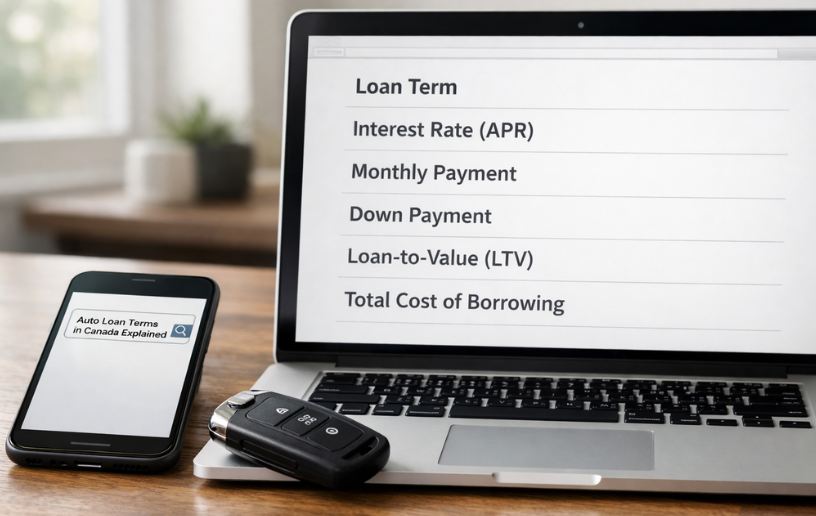
If you haven't already worked out what a given loan amount and term would actually cost you per month, run the numbers through a car loan calculator that uses the real Canadian amortization formula before you apply. That gives you a real figure to hold lender offers against, instead of taking whatever number a quote sheet hands you.
Lease buyout vs. leasing again vs. buying something else
A lease buyout loan isn't automatically the right call just because it's on the table. It helps to weigh it against your other two realistic options.
Leasing a new vehicle keeps payments predictable and puts you in a car under full warranty again, which suits drivers who like driving something newer every few years and don't want to think about resale value or major repairs. The tradeoff is you never build equity, and you'll land back at this same decision in another three or four years. If you're still working out whether leasing fits your situation at all, our guide to how leasing works in Canada goes through the tradeoffs in more detail.
Buying a different used car outright means shopping the open market, which comes with real unknowns about how a given car was driven and maintained, and you might pay more for a comparable vehicle than your own buyout price. But it also frees you from your current car if you're genuinely ready for something else — a different size, different features, or just a change.
The buyout wins when the numbers favour it clearly: a buyout price meaningfully under market value, a car you're happy with, and no pressing reason to switch vehicle types. It's a weaker case if the residual value was set aggressively high to begin with, if the car has developed issues you're not confident about, or if your driving needs have genuinely shifted since you signed the lease.
One more thing. If you take out a lease buyout loan and later find a meaningfully better rate, or your credit improves after the fact, you're not locked in. Refinancing an auto loan in Canada applies to buyout loans the same as any other used car financing, so it's a good idea to check back on your rate down the road rather than assume the original terms are permanent.
Getting a buyout loan started
If the numbers on your lease-end statement have you leaning toward keeping the car, start by getting a firm buyout quote from your leasing company, then compare it against a couple of financing offers before that quote expires. Rates and approval terms vary by lender, by credit profile, and by the vehicle itself, so it makes sense to see what you actually qualify for rather than assume based on your original lease rate.
You can apply for lease buyout financing with Auto Lending Canada and get a real sense of your options before your buyout quote runs out. It takes a few minutes and gives you an actual number to work from instead of a guess.