
Lease Takeover in Canada: How It Works, What It Costs, and When Financing Beats It
29 August 2026Scroll through Facebook Marketplace or Kijiji long enough and you'll hit a listing that reads something like "lease takeover, $349/month, no money down." A lease takeover in Canada, also called lease assumption or a car lease transfer, lets you step into someone else's existing lease contract and finish out whatever term is left instead of signing a fresh deal at a dealership. It looks like a shortcut to a nicer car for less hassle. Sometimes it is. But the fine print matters more than the Kijiji ad lets on, and for a lot of buyers, financing their own vehicle ends up being the better call. Here's how lease takeovers actually work, what they cost, and when you're better off going a different route.
What Is a Lease Takeover in Canada?
When someone leases a vehicle, they sign a contract with the leasing company, usually the manufacturer's finance arm, for a fixed term (typically 24 to 48 months) with a set mileage allowance and monthly payment. If their situation changes partway through, a new job, a growing family, a car they just don't want anymore, they can end up wanting out before the lease is finished. Paying the early termination penalty is expensive, so instead they transfer the lease to someone else, who takes over the remaining payments, mileage, and conditions exactly as written.
That's the key difference from buying a used car outright. You're not negotiating a price for the vehicle. You're agreeing to step into a contract someone else wrote months or years ago, on terms that were built around their situation, not yours. LeaseBusters is the best-known service matching people who want out of a lease with people willing to take one over, and plenty of dealers will facilitate a transfer directly as well.
How the Process Actually Works
It often starts casually, with a marketplace listing or a friend mentioning their brother-in-law needs out of his lease. The mechanics behind it are not casual at all.
You still need credit approval
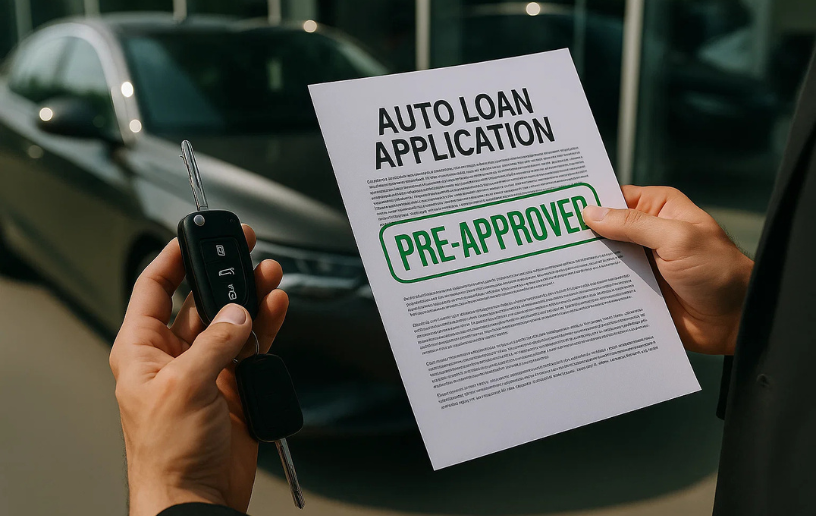
This is the part that catches people off guard. Taking over someone else's lease isn't a way around a credit check. The leasing company still has to approve you as the new lessee using the same underwriting standards it applies to any new lease customer. Thin credit file, income that doesn't support the payment, a rough history? The leasing company can decline the transfer no matter how badly the current lessee wants to hand off the car.
Transfer fees and paperwork
Budget for an administration or transfer fee, usually somewhere in the $300 to $700 range depending on the manufacturer's finance company, plus whatever the credit application itself costs. Some provinces require the transfer to run through a licensed dealer for the paperwork to be valid, which adds a bit of time and sometimes another fee.
What you inherit
Once the transfer clears, you're bound by whatever is left on the original contract. The remaining term (maybe 14 months instead of a fresh 36), the mileage allowance already partly used up, the exact payment the original lessee negotiated. If they got stuck with a higher rate because of their credit profile when they signed, or the mileage cap is already tight because they drive a lot, that's yours now.
Incentives to sweeten the deal
Getting out of a lease early costs the person handing it off, so a lot of original lessees will throw in a cash incentive just to get someone to take it over: sometimes a few hundred dollars, sometimes a few thousand. This is one of the real upsides of lease assumption. You could end up in a nearly new vehicle with cash in your pocket instead of a down payment coming out of it.
Where a Lease Takeover Makes Sense
Done carefully, it can work in your favour. You skip the big upfront costs, no down payment, and you avoid the steepest depreciation a car takes in its first year on the road. The commitment is shorter than starting a new lease or loan from scratch, since you're only on the hook for whatever term is left. And if the original lessee is offering a real incentive, the math can genuinely beat walking into a dealership and starting fresh.
Where It Falls Short
The tradeoffs are real too. You're locked into terms someone else negotiated: no adjusting the mileage allowance, the payment, or the length of the term to fit your life. Selection is limited to whatever happens to be listed at the moment, so no special-ordering a trim or colour. You still need decent credit, so this isn't a workaround for anyone who's already been turned down elsewhere. And a lease builds no equity. At the end of the term you're handing the keys back with nothing to show for the payments, unless you buy the car out, and that's a decision worth understanding ahead of time since lease buyout financing in Canada works differently than assuming someone's lease and has its own approval process and costs.
When Financing Your Own Vehicle Wins
A lease takeover solves an immediate problem: needing a car fast without much cash up front. What it doesn't solve is control. Financing your own vehicle, new or used, puts the terms back in your hands. You pick the loan length, the vehicle, and, unlike a lease, there's no mileage cap to watch. Every payment also builds equity in something that's actually yours.
That difference matters more than it sounds. With a lease, or a lease takeover, you're riding the depreciation curve of a car someone else picked out. With a loan, you're working toward owning an asset, and if you trade it in or sell it down the road, you're not starting from zero. That matters a lot if you've ever read about how fast a vehicle can slide into negative equity, the gap between what a car is worth and what's still owed on it. A lease takeover doesn't touch that problem. A financing plan structured properly from day one can.
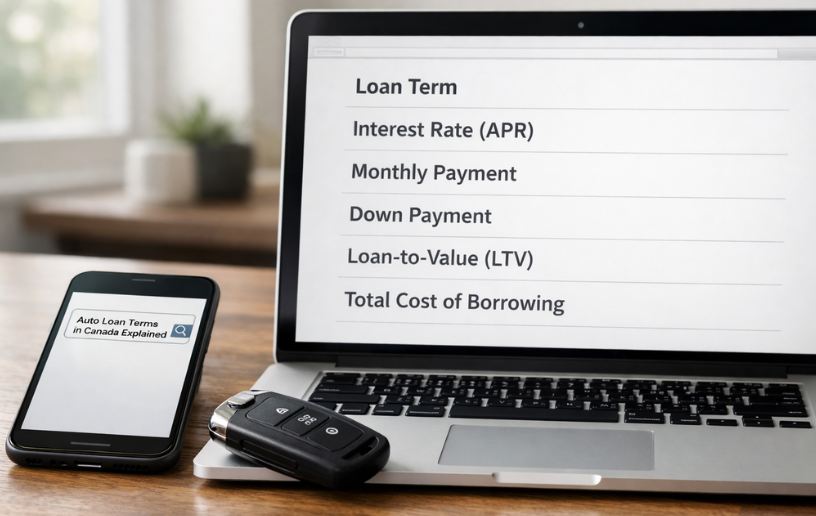
Financing also opens up more of the market. If a used vehicle fits your budget better than new, a used car loan in Canada can be built around a lower purchase price and a shorter term, which usually means less interest paid overall and a quicker path to owning it outright. And if you're deciding how to structure the financing itself, it's worth knowing that a car loan and a line of credit handle rates, terms, and flexibility quite differently. That choice shapes what you'll pay just as much as the vehicle you pick.
Financing Across Different Credit Profiles
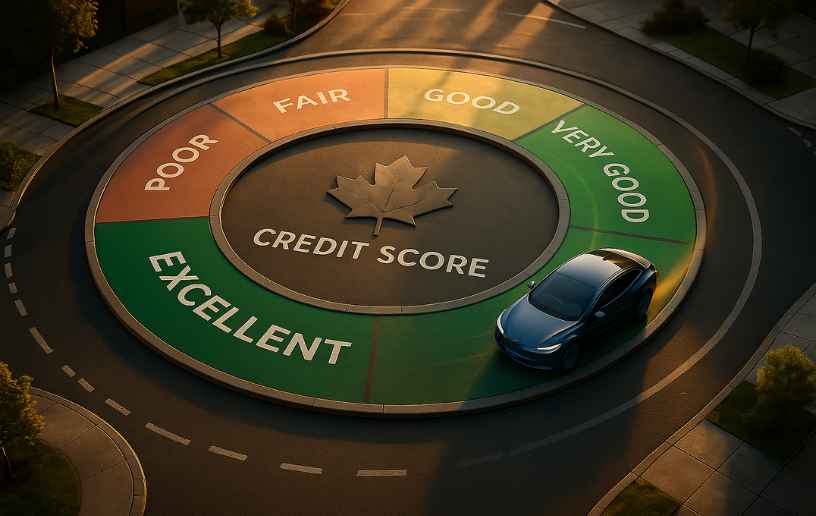
Financing tends to beat a lease takeover for more buyers because it bends to fit where you're actually starting from. Strong, established credit generally qualifies for the best rates and the widest choice of new or used vehicles. Average or limited credit history still leaves real options on the table, though the rate and down payment required will look different, and a shorter term or slightly older vehicle can keep the payment manageable while you build up a track record.
Even buyers who've been through a bankruptcy, a consumer proposal, or missed payments can often get approved, typically at a higher rate that reflects the added risk to the lender, with the vehicle and loan structure chosen carefully to keep the payment realistic. None of that is a promise of approval or a specific rate. Every application gets assessed on its own. But it does mean less-than-perfect credit doesn't automatically leave a lease takeover as your only route into a vehicle.
If you're weighing a lease takeover against financing something of your own, get a real answer instead of guessing at one. You can apply here to see what's actually available for your situation, whether that's a new vehicle, a used one, or refinancing something you already own, and compare it against whatever lease assumption deal you're looking at before committing to either.
The Bottom Line
A lease takeover in Canada can be a reasonable way into a vehicle when the terms genuinely fit your life, the mileage allowance still has room, and there's a real incentive on the table. But it's someone else's deal, not yours, and it comes with the same credit approval hurdle as starting fresh, minus the control over term, vehicle, or ownership that comes with financing. Before signing onto a car lease transfer because it looked easy on Kijiji, spend ten minutes finding out what financing your own vehicle would actually cost. It's often closer than you'd think, and it leaves you owning something at the end instead of handing back someone else's car.