Minivan Financing in Canada: Loans, Terms, and What Lenders Look For
26 September 2026A minivan is still one of the most practical family vehicles in Canada — sliding doors, three rows, and cargo space that does not pretend to be a fashion statement. Financing one is usually straightforward compared with specialty builds, but lenders still care about mileage, age, and whether the van fits a personal or light-commercial use case.
Here is what to expect when you finance a new or used minivan in Canada, how rates and terms typically work, and how to prepare an application that matches what underwriters want to see.
Why minivan loans are different from SUV or truck files
Minivans sit in a sweet spot for many lenders. They are common, easy to value, and usually bought for family transport rather than heavy work. That can make approval simpler than a high-kilometre work truck or a heavily modified van. Still, a seven-year-old minivan with 200,000 kilometres is a different advance than a late-model unit with clear service history.
If you are weighing a van against a three-row SUV or a pickup, compare structures carefully. Our truck financing guide and broader lender overview in types of auto lenders in Canada show how vehicle type changes who will fund the deal.
Start your application here once you know whether you want new, certified pre-owned, or used — vehicle category affects pricing.
What Canadian lenders look for on a minivan file
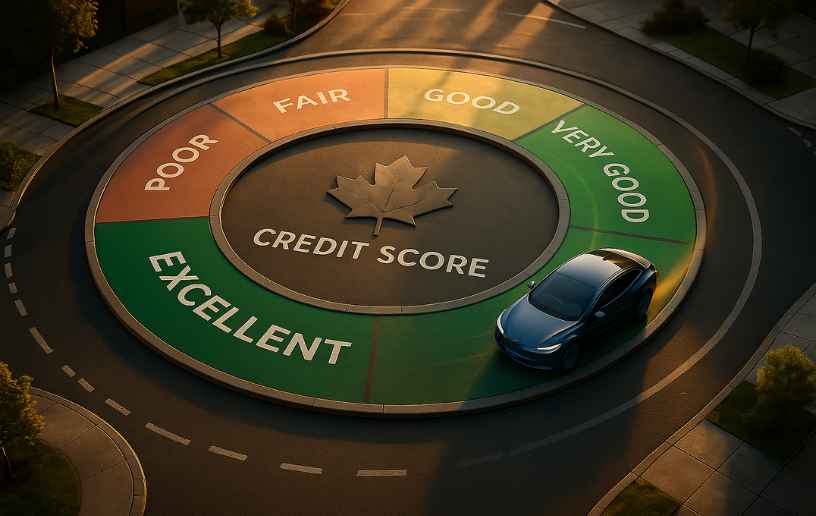
- Credit and payment history: Score bands still drive the buy rate.
- Income and debt-to-income: Can the payment fit beside housing, childcare, and other loans?
- Down payment: More cash down helps on older or higher-kilometre vans.
- Vehicle condition and value: Clean Carfax-style history and realistic wholesale value matter.
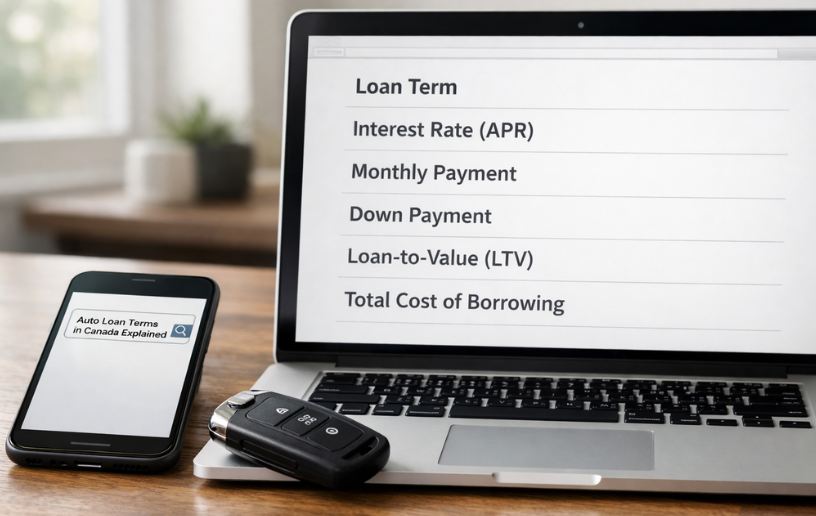
- Term length: Stretching a van to 84 or 96 months can lower the monthly bill but raise total interest and risk of negative equity.
For budgeting before you shop, use how much car you can afford as a reality check — not just what a payment calculator spits out.
New vs used minivan financing
New minivans often unlock manufacturer or bank programs with tighter credit boxes and promotional rates for strong files. Used vans open the door to more lenders, including those who specialize in non-prime credit, but the advance will track book value and remaining useful life.
Certified pre-owned can sit in the middle: a bit more lender comfort than a private-sale older van, usually at a higher price than a standard used unit. Decide based on your credit strength and how long you plan to keep the vehicle, not on the badge alone.
Family budgets and payment structure
Minivan shoppers often juggle childcare costs, activities, and one income that covers most of the household. Lenders see that in your debt ratios. A slightly older van with a shorter term can be healthier than a loaded new model stretched to the maximum months.
Watch add-ons at the desk. Extended warranties and protection packages are optional in most cases — finance only what you actually want. Rate shopping before you sit down makes it easier to say no to padding.
Steps to finance a minivan in Canada
- Check your credit and list monthly debts honestly.
- Set a total budget including insurance and fuel, not only the loan payment.
- Get a financing quote before you commit to a specific van on a lot.
- Compare at least one dealer offer against an independent lender or broker quote.
- Inspect the van (or review a pre-purchase inspection) before final funding.
The application flow matches other auto loans — see how to apply for a car loan in Canada for the document checklist.
Insurance and ownership costs to budget beside the loan
Minivan insurance in Canada varies by province, driving record, and whether teens will be on the policy. Get an insurance quote before you lock the purchase price. Fuel for a van is rarely sports-car expensive, but it is not free — especially on highway trips between cities in BC, Alberta, or Saskatchewan.
Maintenance on higher-kilometre used vans can include transmission service, brakes, and sliding-door repairs. Leave a monthly cushion beyond the loan payment so a repair does not force a missed auto payment.
Private sale vs dealership minivans
Private-sale vans can be cheaper upfront and harder to finance. Some lenders prefer dealership transactions because lien checks and paperwork are cleaner. If you find a private van you love, confirm with your lender or broker first that they will fund that purchase type and what inspection they require.
Dealership inventory costs more on average but can simplify funding and after-sale support. Neither path is automatically better — the right choice depends on your credit, down payment, and risk tolerance.
Who typically finances a minivan in Canada
Parents, caregivers, and anyone who regularly moves people or gear are the core minivan audience. Lenders know that profile. They also see rideshare or delivery use occasionally — if the van will earn income, say so up front, because personal auto programs and commercial products differ.
Be honest about intended use. Misrepresenting a work van as purely personal can create insurance and loan problems later. If the vehicle is mainly for family and the odd weekend project, a standard personal auto loan is usually the right lane.
Ready to finance a family minivan?
Auto Lending Canada helps buyers across British Columbia, Alberta, and Saskatchewan compare auto loan options for everyday vehicles, including minivans. Approvals are never guaranteed, but a complete file and a realistic vehicle choice give you the best shot at terms you can live with.