
Lease-to-Own Car Financing in Canada: How It Works and What It Actually Costs
18 September 2026Lease-to-own car financing gets pitched as a middle ground between leasing and buying, a way to drive a vehicle now with a path to owning it later without the stricter approval bar of a standard auto loan. That pitch is sometimes accurate. It's also a structure that varies a lot from one provider to the next, and the difference between a fair lease-to-own arrangement and an expensive one usually comes down to details buried in the contract rather than anything obvious upfront.
How Lease-to-Own Actually Works
In a typical lease-to-own arrangement, you make regular payments on a vehicle, similar to a standard lease, but a portion of each payment builds toward eventual ownership rather than simply covering the cost of use. At the end of the term, you either own the vehicle outright, make a smaller final payment to take ownership, or in some structures the vehicle is yours automatically once the agreed number of payments is complete. This is different from a standard lease, where every payment covers depreciation and you own nothing unless you separately arrange a buyout at the end.
It's also different from a traditional car loan, where you own the vehicle from day one, subject to the lender's lien until the loan is paid off. Lease-to-own sits in between: you're building toward ownership, but the provider typically retains legal ownership of the vehicle until the arrangement is complete, similar to a lease.
Who Actually Offers This in Canada
Lease-to-own programs in Canada are most commonly offered by independent dealers and specialty financing companies targeting buyers who don't qualify for traditional bank or credit union financing, often due to limited credit history or past credit issues. Some operate more like a rent-to-own furniture arrangement applied to a vehicle. Others are structured closer to a subprime lease with a purchase option built in. The terms, and how consumer-friendly they are, vary significantly by provider, which makes reading the actual contract more important here than with most standard financing.
Why the Total Cost Can Run Higher Than It Looks
This is where lease-to-own arrangements deserve real scrutiny. Because these programs are typically marketed to buyers with weaker credit or no credit history, the effective interest rate baked into the payment structure tends to run well above what a standard auto loan would carry, even a subprime one. A vehicle with a retail value of $18,000 can end up costing significantly more than that once you add up every payment across a lease-to-own term, sometimes 40 to 60 percent more than the vehicle's actual value depending on the provider and term length.
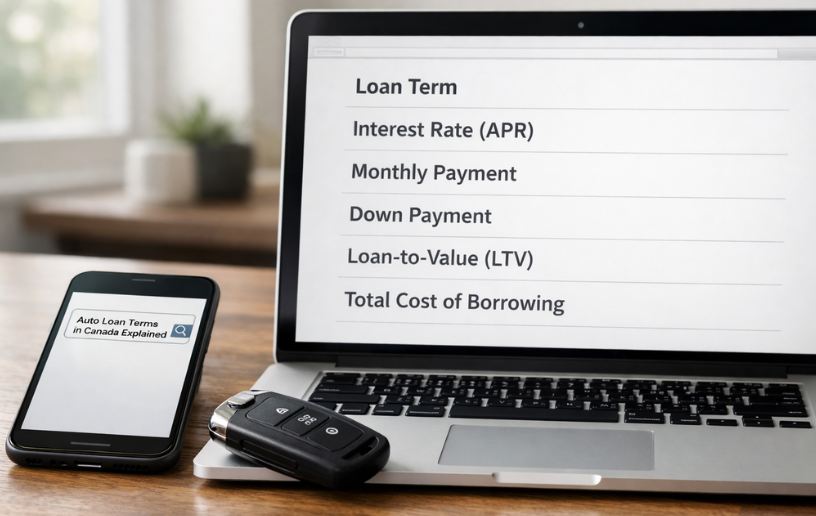
The payment structure itself can obscure this. A lease-to-own quote is often presented as a weekly or biweekly payment rather than a total cost or an annual percentage rate, which makes a $95-a-week payment sound manageable without making clear that it adds up to well over the vehicle's worth by the time you actually own it. Always ask for the total amount you'll pay over the full term, and the equivalent annual interest rate, before agreeing to anything based on the payment amount alone.
What to Check Before Signing
Get clear, in writing, on exactly what happens at the end of the term. Some lease-to-own contracts transfer ownership automatically once the final payment clears. Others require a separate buyout payment that isn't clearly disclosed upfront, which can catch buyers off guard right when they thought they were finished paying. Confirm whether missed payments early in the term forfeit any equity you've built, since some structures are closer to a lease that can be terminated with no ownership credit at all if you fall behind, even after making most of the payments.
It's also worth asking directly whether the arrangement is reported to the credit bureaus. Unlike a standard car loan, not every lease-to-own provider reports your payment history, which means faithfully making payments for two years might do nothing to help your credit if the goal was partly to build a track record for future financing.
When Lease-to-Own Genuinely Makes Sense
For someone who's been declined by traditional lenders and needs a vehicle to get to work, a transparent lease-to-own arrangement from a reputable provider can be a legitimate bridge, provided the total cost is disclosed clearly and the payments are realistic against your budget. It can also work for someone deliberately using the term to rebuild credit, provided the payments are actually reported to the bureaus.
Why a Standard Auto Loan Is Usually Cheaper If You Qualify
If there's any path to qualifying for a traditional auto loan, even a subprime one through a lender who works with buyers on the weaker end of the credit spectrum, it's almost always going to cost less over the life of the loan than a lease-to-own arrangement. Standard financing gives you clear ownership from the start, a fixed and disclosed interest rate, and a payment history that reliably builds your credit. Before assuming lease-to-own is your only option, it's worth getting an actual quote from a lender who specializes in bad credit car loans for comparison, since the gap between the two can be significant.
If you already have a lease and are trying to figure out how to get out of it or buy the vehicle early, the mechanics are different from a lease-to-own program from the start. Our guide on lease buyout financing covers how to finance the purchase of a vehicle you're currently leasing, and our breakdown of lease takeovers explains what's involved if you're looking at taking over someone else's lease instead of starting a new one.
Dealership in-house financing is another arrangement sometimes confused with lease-to-own, though the two aren't the same thing. Our guide on in-house financing at car dealerships explains how that structure works and where it tends to cost more than financing through an outside lender.
Questions Worth Asking Any Lease-to-Own Provider Directly
Before signing, ask the provider to state the total dollar amount you'll pay across the full term, not just the payment amount. Ask what happens if you need to end the arrangement early, whether you lose everything you've paid toward ownership or receive some portion back. Ask whether the vehicle can be repossessed for a single missed payment or whether there's a grace period, and get that answer in writing rather than relying on a verbal assurance from a salesperson. Ask whether the payments are reported to Equifax or TransUnion, since that answer determines whether this arrangement helps your credit at all or simply gets you a vehicle with no credit-building benefit attached.
It's also worth asking who holds the title during the term and what your obligations are for insurance and maintenance while you don't yet legally own the car. Some lease-to-own agreements require full comprehensive coverage even though you don't hold title, which is a cost worth factoring into your total monthly budget before you commit.
The Bottom Line
Lease-to-own can be a reasonable option when traditional financing genuinely isn't available, but it's rarely the cheapest way to end up owning a vehicle, and the total cost is easy to underestimate when payments are quoted weekly instead of as a full contract total. Before signing, get the total cost, the effective rate, and the end-of-term terms in writing, and compare them against a real quote from a standard auto lender before assuming lease-to-own is the only door open to you.
Auto Lending Canada works with buyers across the credit spectrum in BC, Alberta, and Saskatchewan to find standard financing that's often more affordable than lease-to-own alternatives. Start your application here to see what you qualify for before committing to anything else.