Used Car Financing in Edmonton: Rates, Requirements & How to Get Approved (2026)
25 August 2026If you've been comparing used car financing in Edmonton and the numbers don't match what your coworker paid on their new truck last spring, that's not a bad quote. Used car loan rates run higher than new car rates almost everywhere in Canada. Edmonton adds a few local wrinkles on top of that: a dense dealership market, harsh winters that are tough on older vehicles, and a resale scene that moves fast. Here's what actually drives your rate, what lenders check on a used vehicle before they'll fund it, and how to put together an application that gets approved without you overpaying.
Used Car Loan Rates in Edmonton vs. New Car Rates
Lenders price used vehicles higher for a straightforward reason. A used car has already started depreciating, its future value is harder to pin down, and if a loan ever needs to be recovered, the vehicle is worth less as collateral than a new one would be. In Edmonton, that usually shows up as a gap of one to several percentage points between new and used rates, and how wide that gap gets depends heavily on the vehicle's age and your own credit profile.
A three-year-old vehicle with low mileage from a franchise dealer will often land close to new-car pricing, especially through a certified pre-owned program. Push past seven or eight years old, or bring in a private-sale vehicle with a thin history, and rates climb. Alberta's lending market tracks fairly close to national averages overall, though demand for popular trucks and SUVs can nudge local pricing one way or the other depending on what's sitting on lots that month.
How Vehicle Age and Mileage Affect Your Approval
Age and mileage matter to a lender because they're stand-ins for how much useful life is left in the vehicle. Most set a maximum cutoff, commonly somewhere around 10 to 12 years old or 150,000 to 200,000 kilometres, past which your financing options narrow to a smaller pool of specialty lenders, usually at a higher rate. Inside that window, a newer or lower-mileage used vehicle gets treated almost like a new one for underwriting. A vehicle sitting right at the edge of a lender's cutoff will usually get stuck with a shorter maximum term and a firmer rate, even if it runs perfectly fine.
This is really the core difference between shopping for a used car loan in Edmonton and financing something straight off a new-vehicle lot. With a new car, the lender knows exactly what they're financing. With a used one, they're also placing a bet on how well that specific vehicle was looked after, which is why the next section matters as much as it does.
Why Newer Used Vehicles Often Get Better Terms
A two- or three-year-old off-lease vehicle with full service records tends to qualify for a better rate than a ten-year-old car with a thin paper trail, even when both are mechanically sound. Lenders can't personally inspect every vehicle they finance, so they lean on age, mileage, and documentation as shortcuts for risk. If you have your own maintenance records, bring them. It's not always required, but it can help your case.
What Lenders Look At When Financing a Used Vehicle
Approval for used car financing isn't only about your credit score. Lenders look hard at the vehicle too, and three things tend to matter most.
Vehicle History Report
Most lenders want to see a vehicle history report, or they'll pull one themselves, before finalizing a used car loan. It shows past accidents, odometer readings over time, whether the vehicle was ever branded salvage or rebuilt, and how many owners it's had. A clean report speeds up approval and can support a better rate. A rough one might mean the lender asks for a bigger down payment, or won't finance that particular car at all. If you're shopping used inventory around Edmonton, run the VIN yourself before you fall in love with a listing. Our free VIN check and car history report guide covers how to pull that information before you're standing in a finance office feeling pressured to decide.
Loan-to-Value Ratio
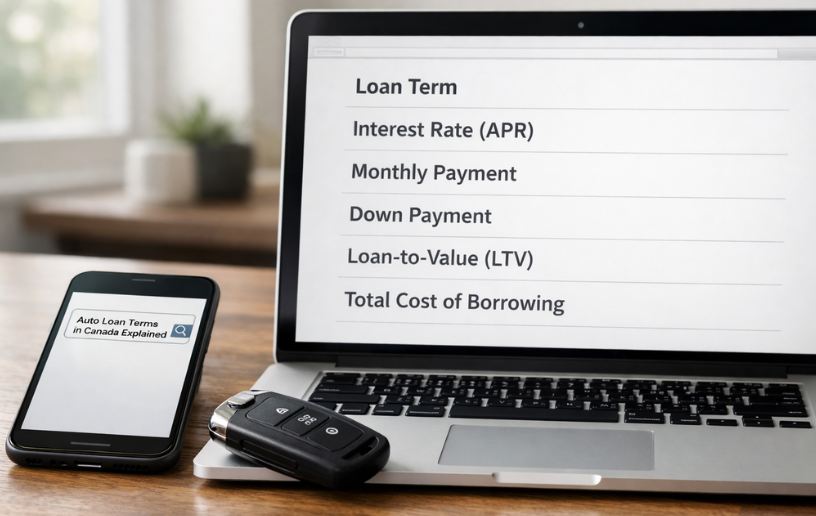
Loan-to-value, or LTV, is the comparison between how much you're borrowing and what the vehicle is actually worth. Lenders want the loan amount reasonably close to or below the vehicle's appraised value, not well above it. Financing an older used vehicle for more than it's worth happens easily once taxes, fees, and an extended warranty get rolled into the loan, and that pushes LTV higher than a lender likes. Keeping your total borrowed amount in line with what the vehicle is really worth is one of the more overlooked ways to strengthen your application.
Independent Inspection
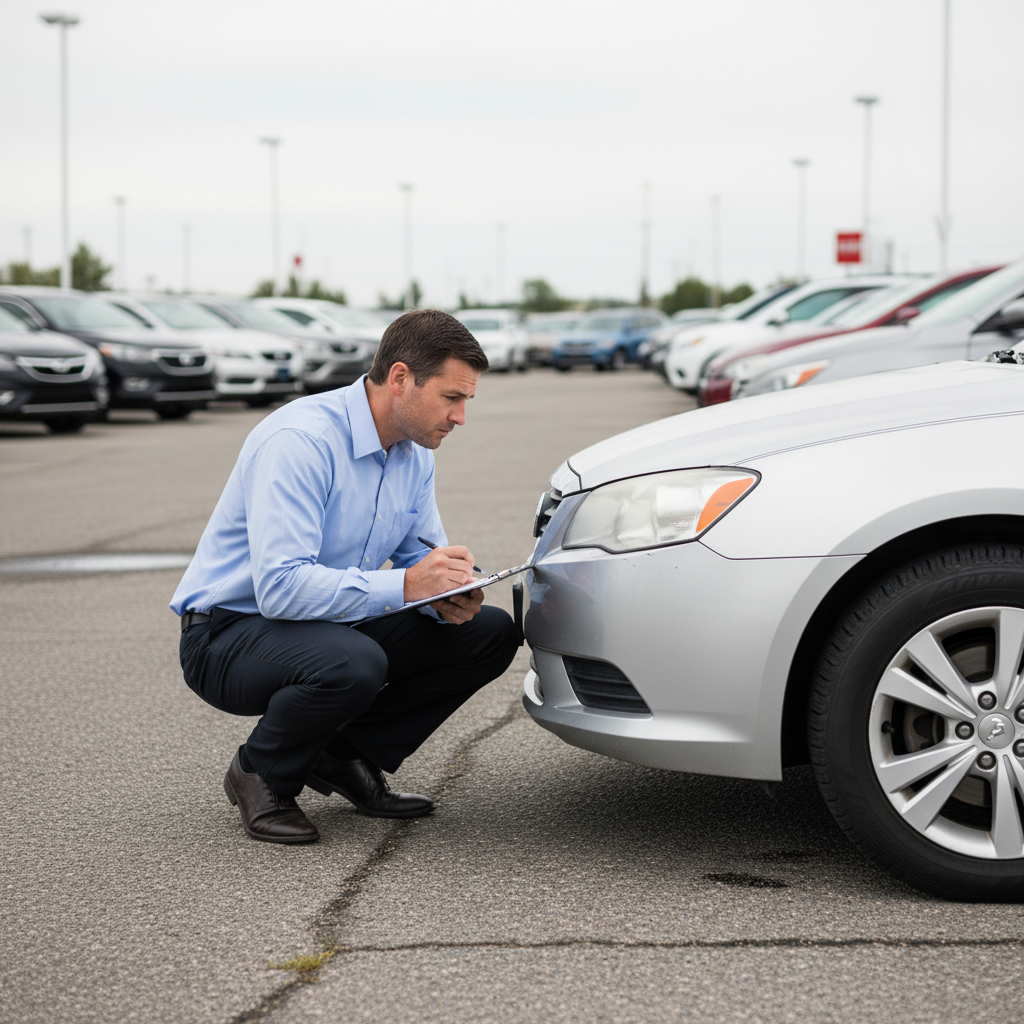
For private sales especially, a pre-purchase inspection from a licensed mechanic isn't just for your own peace of mind. Some lenders will ask for one, or at minimum a safety certificate, before releasing funds on an older vehicle. It costs a bit upfront and can catch problems a history report won't, like hidden rust or a transmission that's already on its way out.
Down Payment Expectations for a Used Car Loan in Edmonton
There's no single number that applies to everyone, but a working range for financing a used vehicle in Edmonton sits somewhere between 0% and 20% down, shaped by the vehicle's age, your credit, and the lender you end up with. A newer used vehicle backed by strong credit might qualify with little or nothing down. An older vehicle, a thinner credit file, or a loan pushing up against the vehicle's value will usually call for more money up front to bring things back into a range the lender is comfortable with.
A trade-in can cover some or all of that down payment, and that's common in Edmonton given how many buyers move straight from one used vehicle into another. Before you take a dealer's first trade offer, it helps to know roughly what your current vehicle is worth on the open market. Our car trade-in value guide covers how to get a realistic number so you're negotiating from actual knowledge instead of a guess.
Edmonton-Specific Factors That Affect Used Car Financing
Financing a used vehicle in Edmonton comes with a few local realities you won't find in a generic national guide.
Winters Are Hard on Used Vehicles
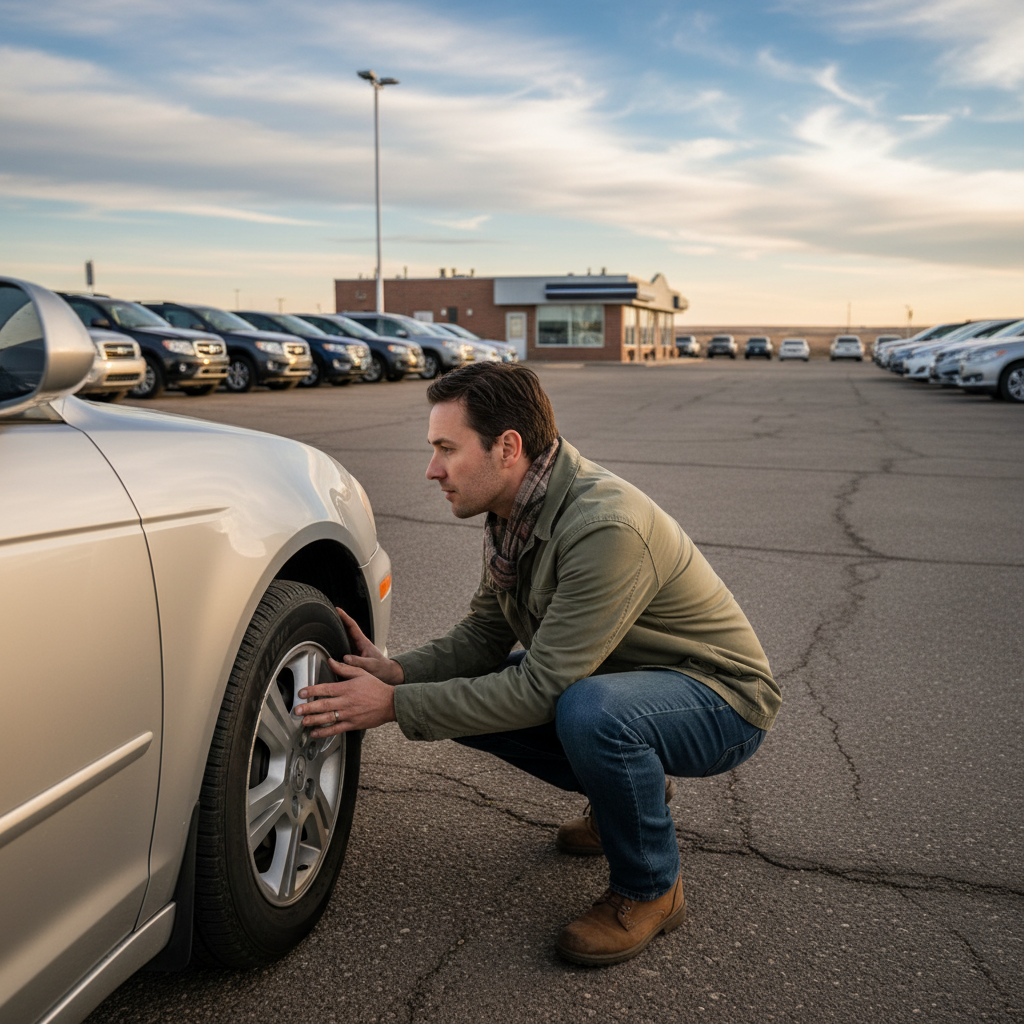
Years of road salt, temperature swings, and stop-and-go winter driving take a real toll on the undercarriage of vehicles that have spent their life around Edmonton. Rust on frames, brake lines, and exhaust components is common enough that it's worth checking specifically during a pre-purchase inspection, even on a car that looks clean up top. Hidden undercarriage damage can end up costing more in repairs than you'd ever save in interest by picking the cheaper unit, so weigh that when you're choosing which car to finance, not just how you finance it.
Dealership Density Means More Options, and More Room to Compare
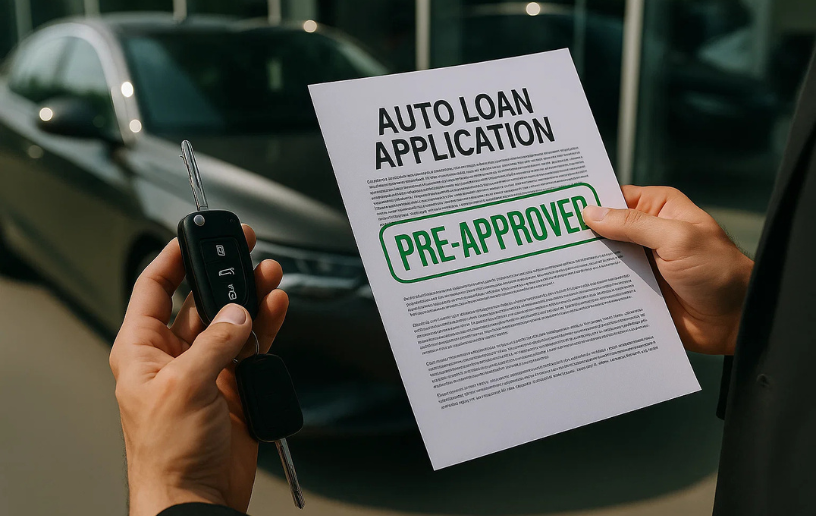
Edmonton has one of the higher concentrations of new and used dealerships in Alberta, spread across the Whyte Avenue corridor, west Edmonton, and the auto malls along the major routes. That's good for buyers. More inventory and more lenders competing for your business generally means more room to negotiate rate and terms. It also means it's worth getting pre-approved before you start visiting lots, so you're comparing dealer financing against an outside offer instead of taking whatever number the first finance office hands you.
Local Price Ranges
Used vehicle prices in Edmonton track fairly close to Alberta and national averages, though trucks and SUVs, which are especially popular here given the climate and how much rural driving happens around the region, tend to hold their value and their price tags a bit higher than sedans of the same age. Budget for that segment specifically rather than assuming national compact-car pricing applies, and you'll avoid some surprises once you start browsing listings.
How to Get Approved for Used Car Financing in Edmonton
A handful of habits consistently improve approval odds and loan terms for used car buyers here. Check your credit report ahead of time so nothing surprises you during underwriting. Get pre-approved before you shop, so you know your budget and have a rate to measure dealer offers against. Lean toward a vehicle that sits comfortably inside a lender's age and mileage thresholds rather than right at the edge of them. Pull a vehicle history report before you commit to a specific car. Keep the total loan amount, including taxes, fees, and any add-ons, proportional to what the vehicle is actually worth.
None of this guarantees a specific rate or outcome. Every lender weighs credit, income, and the vehicle a little differently. But doing these things puts you in a stronger position than walking in cold, and it's the difference between negotiating from strength and just hoping for the best.
For a wider look at how financing works across the city beyond used vehicles specifically, the Edmonton car loan guide covers new and used financing side by side. And if you're comparing options beyond the city, our used car loan guide for Canada goes deeper into how used vehicle financing works nationally.
If you're ready to see where you stand, you can get pre-approved and view real rates for your situation before you commit to a specific vehicle. It takes a few minutes and doesn't commit you to anything. Start your application here and see what used car financing options are available to you in Edmonton.