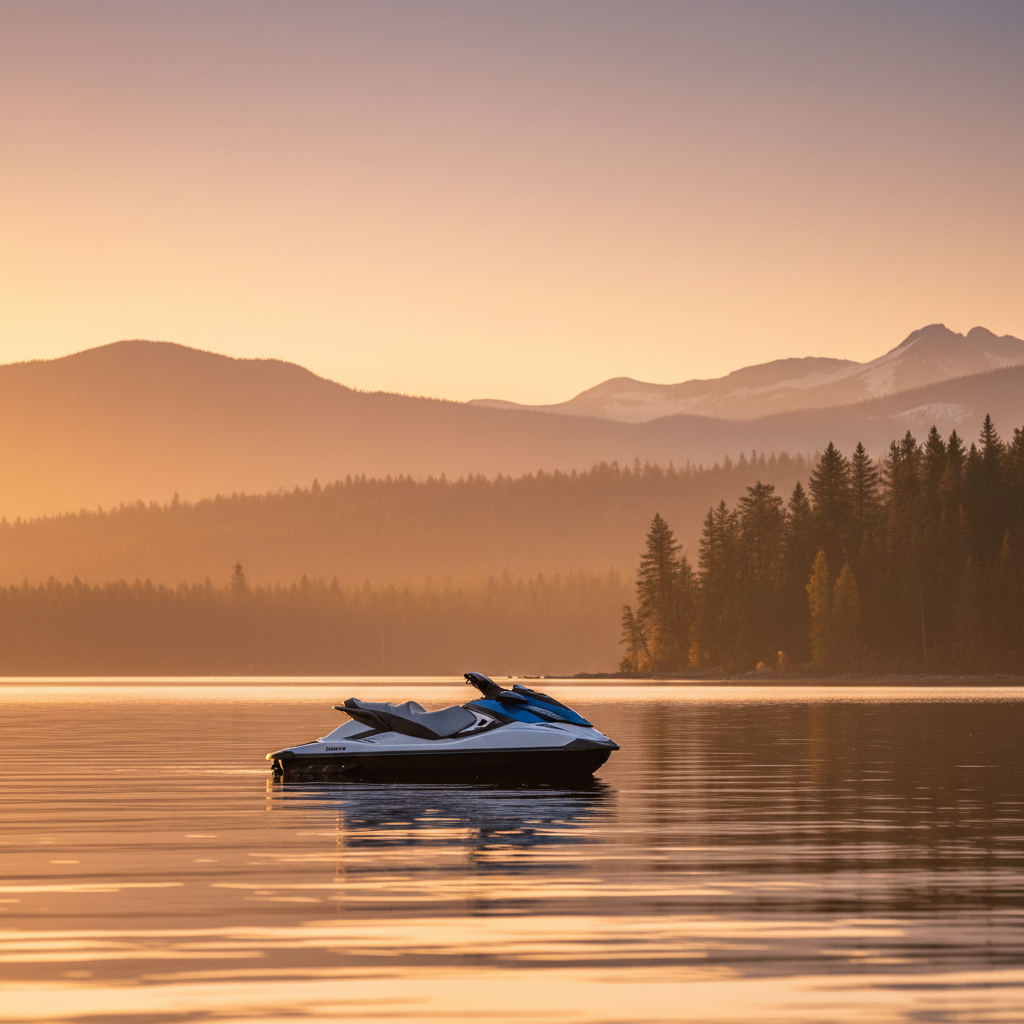
Jet Ski Financing in Canada: Loans, Terms, and How to Qualify
30 September 2026Financing a jet ski (personal watercraft) in Canada is not the same as financing a daily driver. Powersports and recreational lenders treat these machines differently from cars: terms are often shorter, down payments matter more, and seasonal use on lakes in British Columbia, Alberta, and Saskatchewan can shape how underwriters view your ability to pay year-round. If you want a PWC for weekend lake time, cottage access, or family recreation, it helps to know what is realistic before you sit down at a dealership desk.
This guide covers how jet ski financing usually works in Canada, how it differs from auto loans and larger boat loans, what lenders look for, and how to put together a stronger application.
Jet skis are powersports, not cars
A jet ski is typically financed through powersports or recreational-vehicle programs, not the same prime auto banks that fund sedans and SUVs. That means different rate sheets, different term caps, and sometimes different credit cut-offs. Some dealers offer manufacturer or captive finance; others work with specialty powersports lenders. A few buyers use personal loans or existing credit lines, but those products have their own costs and limits.
For the broader powersports picture, see our guide on how to finance powersports vehicles in Canada. If you are comparing larger watercraft, our boat financing Canada page covers related recreational underwriting patterns.
Start your application here if you already know the vehicle type you want — you can finish details after a lender reviews your file.
What lenders usually check
Expect a familiar checklist with powersports twists:
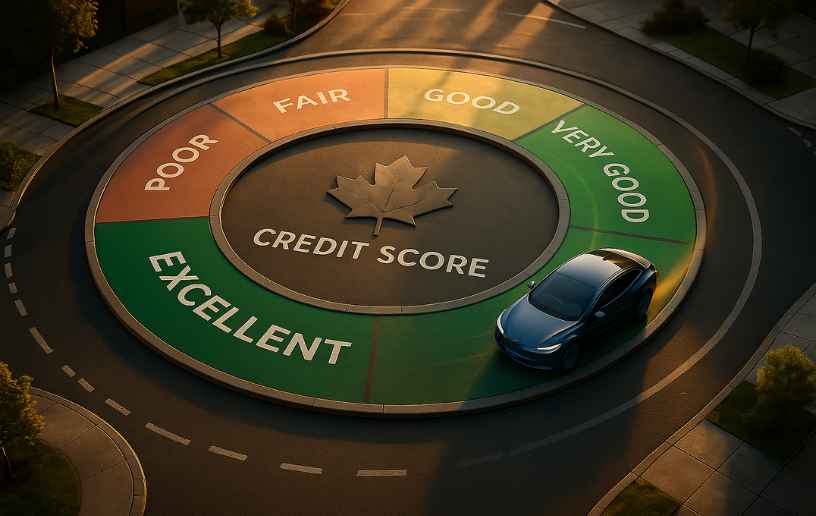
- Credit score and history: Payment history, inquiries, and any collections still matter. Specialty lenders may work with fair credit, usually at higher rates.
- Income and debt load: Proof you can carry the payment alongside rent or mortgage, existing auto loans, and other obligations.
- Down payment: More common and more important than on many car deals. A solid down payment lowers the advance and can open term options.
- Machine details: New versus used, year, hours, trailer package if included, and whether the unit is still within lender guidelines.
- Term length: Shorter terms are common compared with seven- or eight-year auto loans. That keeps the payment honest relative to how fast recreational machines depreciate.
Seasonal use in BC, Alberta, and Saskatchewan
Jet ski season is short in much of Western Canada. Alberta and Saskatchewan buyers often pack heavy use into a few warm months; BC Interior and coastal-adjacent riders may get a longer window depending on water temperature and access. Lenders generally do not underwrite your lake calendar, but they do care that your income continues when the PWC is in storage. Steady year-round employment or clear seasonal income documentation helps more than promising you will “ride every weekend.”
If you also finance off-road toys, our ATV financing Canada guide shows how seasonal powersports files are often structured.
Rates, terms, and budget reality
Advertised powersports rates assume stronger credit and a clean deal structure. Your quote will move with score, down payment, and whether the unit is new or used. Stretching for a long term to shrink the monthly number can backfire if the machine’s value drops faster than the balance — a common issue on recreational units.
Price the full ownership cost: payment, insurance where required, trailer or transport, marina or storage fees, maintenance, and winterizing. A payment that looks fine on paper fails if storage and upkeep wipe out the rest of the summer budget.
How to strengthen a jet ski application
You cannot rewrite credit overnight, but you can make today’s file easier:
- Decide new versus used and get a realistic price before you apply.
- Plan a down payment — cash or trade — that lenders in this category typically expect.
- Gather pay stubs and bank statements that show steady deposits through the off-season.
- Know your Equifax and TransUnion scores so rate conversations are grounded.
- Avoid stacking multiple dealer applications in one weekend without improving the file.
When you are ready to submit, use the same discipline outlined in how to apply for a car loan in Canada — accurate details and complete documents still win, even on powersports files.
What approval can look like
Strong-credit buyers with solid down payments often see cleaner structures and more term flexibility. Fair or challenged credit may still find specialty options, usually with higher rates, shorter terms, and stricter rules on used machines. Nobody can promise approval. What you control is a complete application, a realistic budget, and shopping lenders who actually fund powersports in your province.
New versus used personal watercraft
New units often come with clearer lender programs and warranty comfort, but a higher sticker. Used machines can lower the payment — or they can sit outside program rules if hours, year, or condition miss the cut. Ask about lender guidelines before you fall in love with a specific used PWC at a private sale. Dealer inventory that already maps to a finance program is usually faster to fund than a private purchase that needs extra underwriting steps.
Private sales can still work when the lender allows them, but expect more documentation on ownership, inspection, and value. Build extra time into the process if you are not buying from a powersports dealer with an established desk.
Ready to finance a jet ski?
Auto Lending Canada helps customers across British Columbia, Alberta, and Saskatchewan explore financing options for vehicles that fit their work and lifestyle — including recreational and powersports units where programs allow. Start with a clear application and let lenders respond to your real numbers.